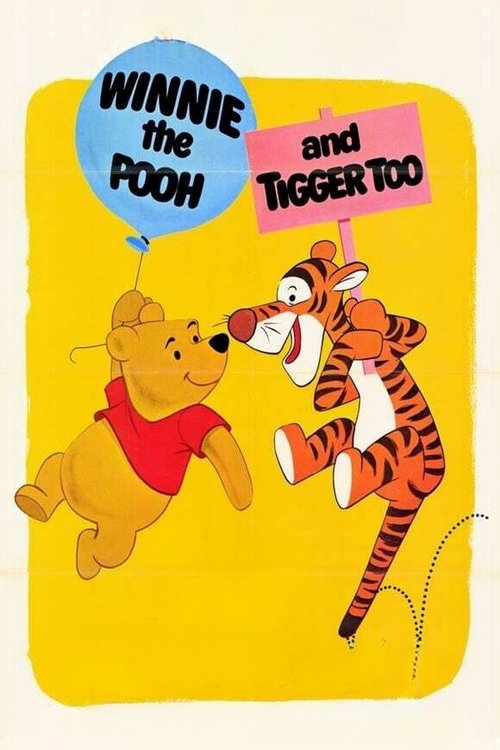
Winnie the Pooh and Tigger Too
1974
No user ratings available yet
Representation score: 1.6 out of 10
Representation Score
Minimal
1966
GDirector
Wolfgang Reitherman
Runtime
25 minutes
Average Rating
No ratings yetNew Showbiz Analysis
This animated short focuses on simple, whimsical storytelling rather than complex social issues. The narrative revolves around low-stakes physical conflicts, such as chasing honey, without engaging with identity-based dynamics. Since the characters are all animals, the film sidesteps human demographics. This creates a controlled, non-diverse environment that emphasizes a stable, whimsical tone. Overall, the film serves as traditional family entertainment. It does not aim to introduce diverse perspectives or challenge existing social structures, preferring a straightforward, non-confrontational approach.
Category Breakdown
There are no characters or hints suggesting LGBTQ+ identities. The relationships are focused on friendly, childlike interactions.
The animal characters have masculine names like Pooh and Eeyore, but the story doesn't promote or challenge traditional gender roles.
The film takes place in a fictional forest with an all-animal cast. There are no depictions of human races or ethnicities, creating a homogeneous environment.
The story centers on a simple moral framework emphasizing innocence and contentment. It avoids criticizing Western institutions or organized religion, focusing on straightforward cause-and-effect scenarios.
Instances where characters get into trouble, like Pooh getting stuck in a tree, are used for slapstick humor. These situations don't explore neurodivergence or the lived experiences of disabilities.
Present on Screen
Limited or Absent
Official Synopsis
Christopher Robin's bear attempts to raid a beehive in a tall tree.
1974

1977

1983
1967
1968
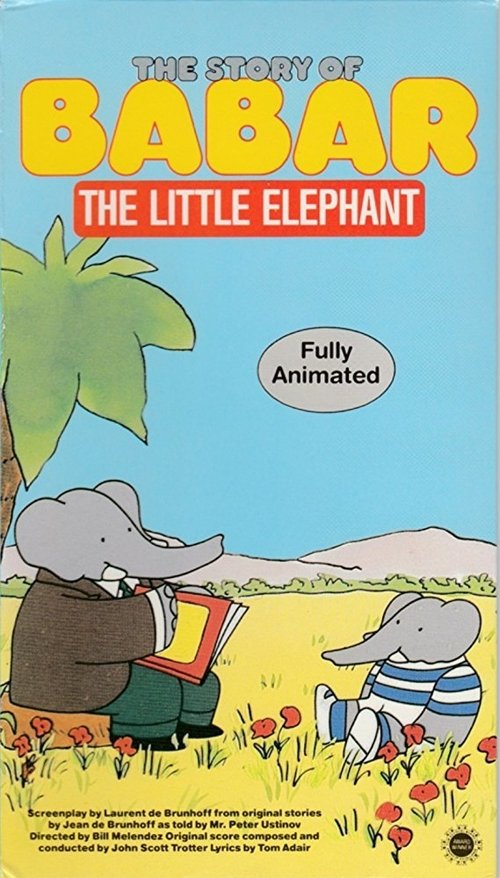
1968
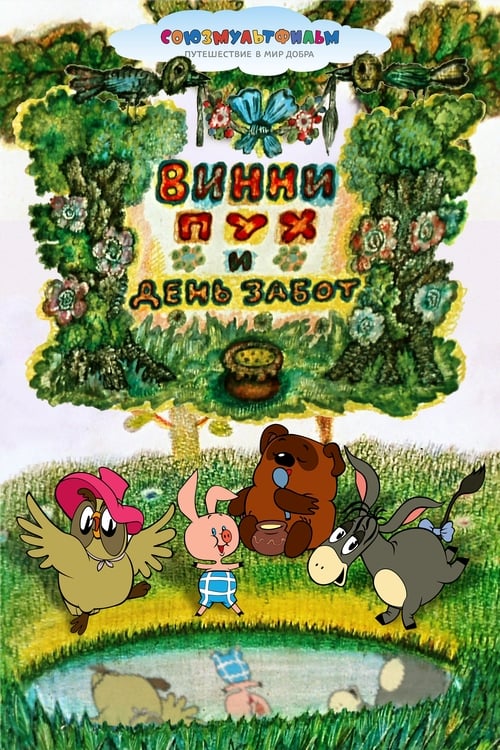
1972
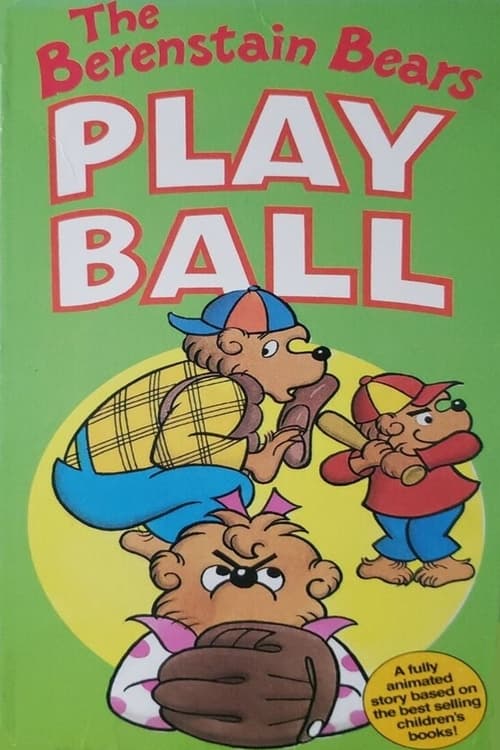
1983
No reviews yet. Be the first to share your thoughts on this movie!
Use the rating form above to leave a star rating and optional review.