Winnie the Pooh and the Honey Tree
1966
No user ratings available yet
Representation score: 1.6 out of 10
Representation Score
Minimal
1974
GDirector
John Lounsbery
Runtime
25 minutes
Average Rating
No ratings yetNew Showbiz Analysis
This animated classic prioritizes whimsical, episodic storytelling over social critique. The narrative focuses on a stable, predictable environment that avoids the complexities of identity politics or systemic power dynamics. The film operates within a traditionalist framework, emphasizing character-driven charm. While this creates a gentle experience for young audiences, it lacks representation across most social categories. Ultimately, the world of the Hundred Acre Wood is a homogeneous ecosystem. It favors interpersonal harmony and playful exuberance over the deconstruction of cultural or social norms.
Category Breakdown
The film features anthropomorphic animals in a pastoral setting. It does not include any depictions of LGBTQ+ identities or same-sex relationships.
Gender roles follow traditional stereotypes, with Kanga serving as a primary maternal figure. The cast is predominantly male-coded, without significant gender-based conflict.
The cast is entirely anthropomorphic, avoiding racial stereotypes. However, the homogeneous ecosystem lacks diverse social structures.
The story emphasizes social cohesion and harmony within an idyllic community. It avoids critiquing Western institutions or religious structures.
Physical mishaps are treated as slapstick comedy rather than nuanced portrayals of impairment. There are no characters with visible or invisible disabilities.
Present on Screen
Limited or Absent
Official Synopsis
Rabbit is tired of Tigger always bouncing him, so he gets Pooh and Piglet together to come up with an idea to get the bounce out of Tigger. Then, Tigger and little Roo go out for a bounce and get caught in a tree.
1966

1977

1983
2000
1972
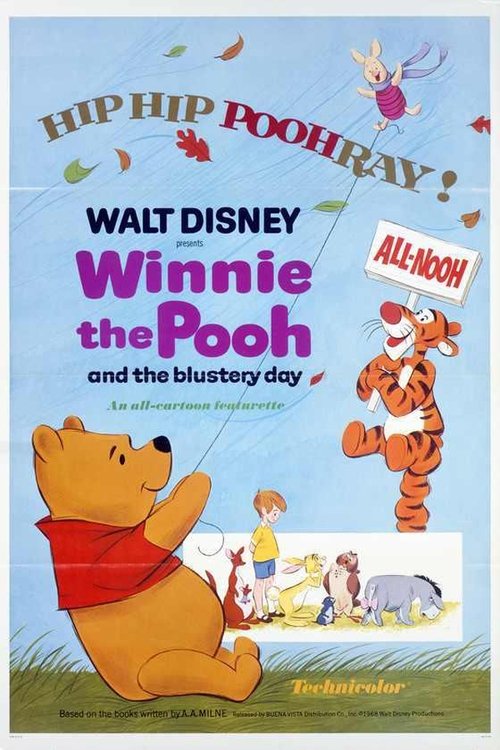
1968
1979
1983
No reviews yet. Be the first to share your thoughts on this movie!
Use the rating form above to leave a star rating and optional review.