
Greetings
1968
No user ratings available yet
Representation score: 6.2 out of 10

Representation Score
Fair
1980
PGDirector
Brian De Palma
Runtime
90 minutes
Average Rating
No ratings yetNew Showbiz Analysis
Home Movies functions as a postmodern exercise in cinematic voyeurism. Its primary achievement is the subversion of gendered ability to act, repositioning the observer to challenge the traditional male gaze. This provides a more active role for the female protagonist than typical of the era. However, the film is limited by a narrow focus on a homogeneous social stratum. It lacks diversity in representation of racial, ethnic, or LGBTQ+ identities. The narrative remains centered on a specific, non-diverse social class. Ultimately, while the film succeeds in psychological complexity and gender role disruption, it fails to engage with broader systemic representation or diverse human experiences.
Category Breakdown
The film lacks any clear LGBTQ+ characters or narratives. Romantic and obsessive tensions are presented within a traditional heterosexual context, offering no engagement with queer identities.
The narrative disrupts conventional female passivity by centering on a protagonist who plays a significant role in driving the story. Her obsessive and manipulative behaviors challenge the traditional 'active male/passive female' hierarchy.
The cast is relatively homogeneous, set within an urban, middle-to-upper-class New York environment. There is a lack of significant racial or ethnic diversity in the storytelling.
The film employs postmodern moral relativism, prioritizing subjective experience over social codes. It explores anti-social behaviors through psychological study rather than overt moral condemnation.
Psychological instability and potential neurodivergence drive the plot and character tension. However, these elements serve voyeuristic themes rather than providing nuanced depictions of disability.
Present on Screen
Limited or Absent
Official Synopsis
A cult guru urges a shy disciple to make life a movie and be its star.
1968

1997
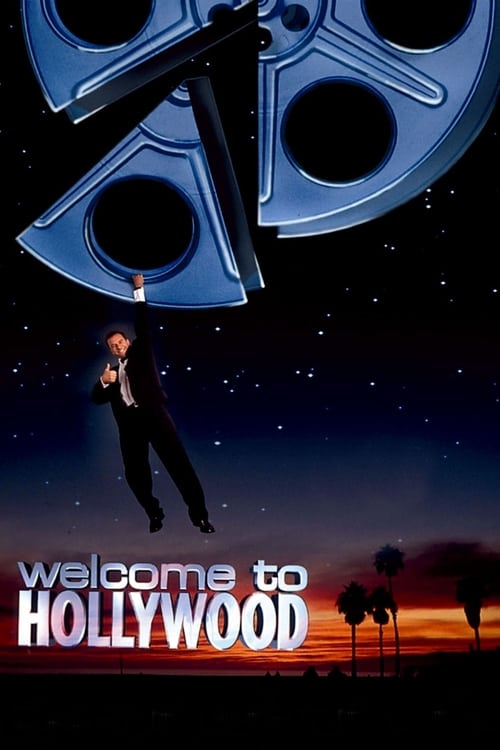
2000
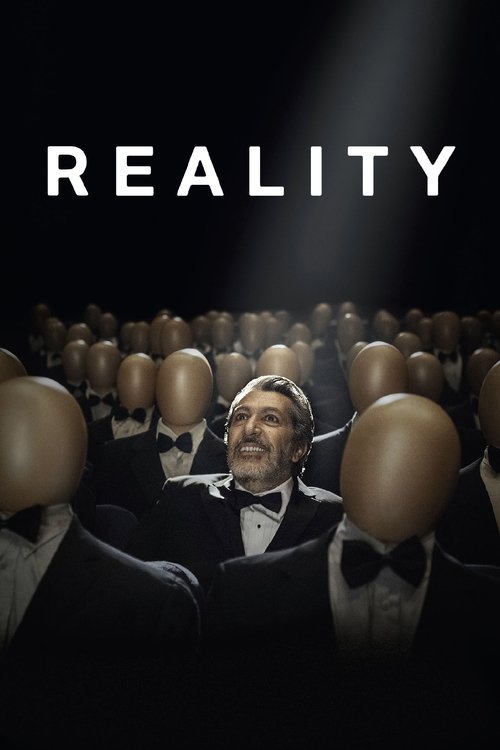
2015
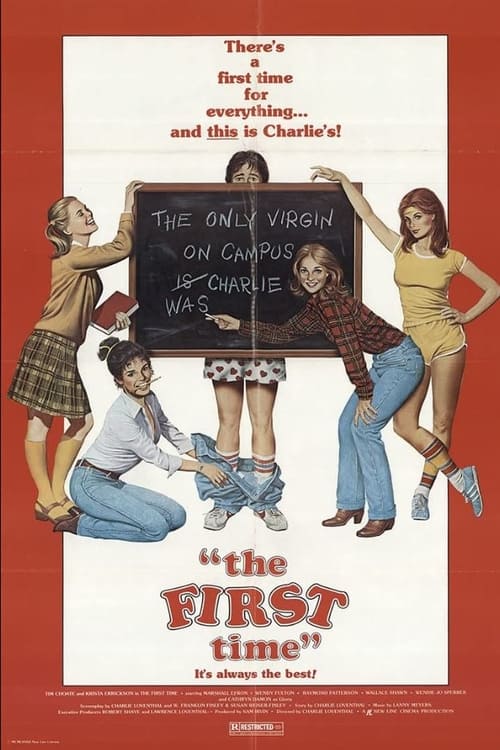
1983
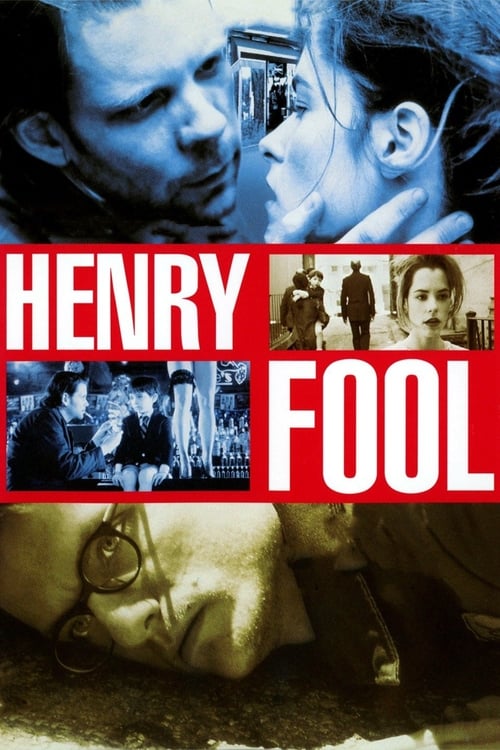
1998

1988
1973
No reviews yet. Be the first to share your thoughts on this movie!
Use the rating form above to leave a star rating and optional review.