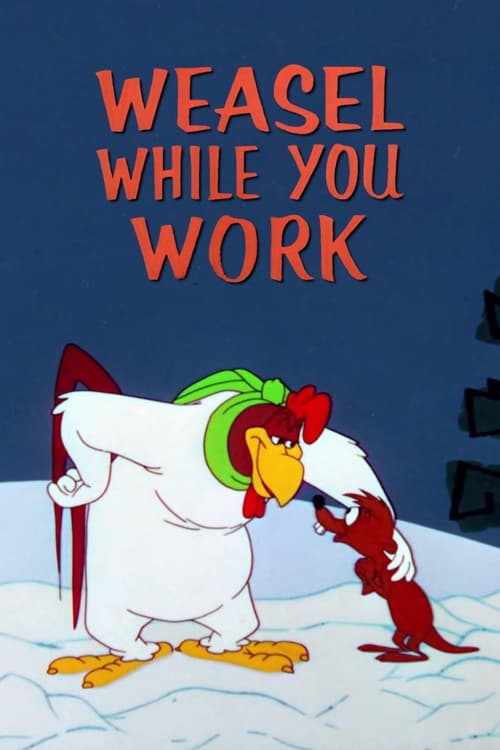
Weasel While You Work
1958
No user ratings available yet
Diversity score: 1.3 out of 10
1964
Director
Robert McKimson
Runtime
6 minutes
Average Rating
No ratings yetSynopsis
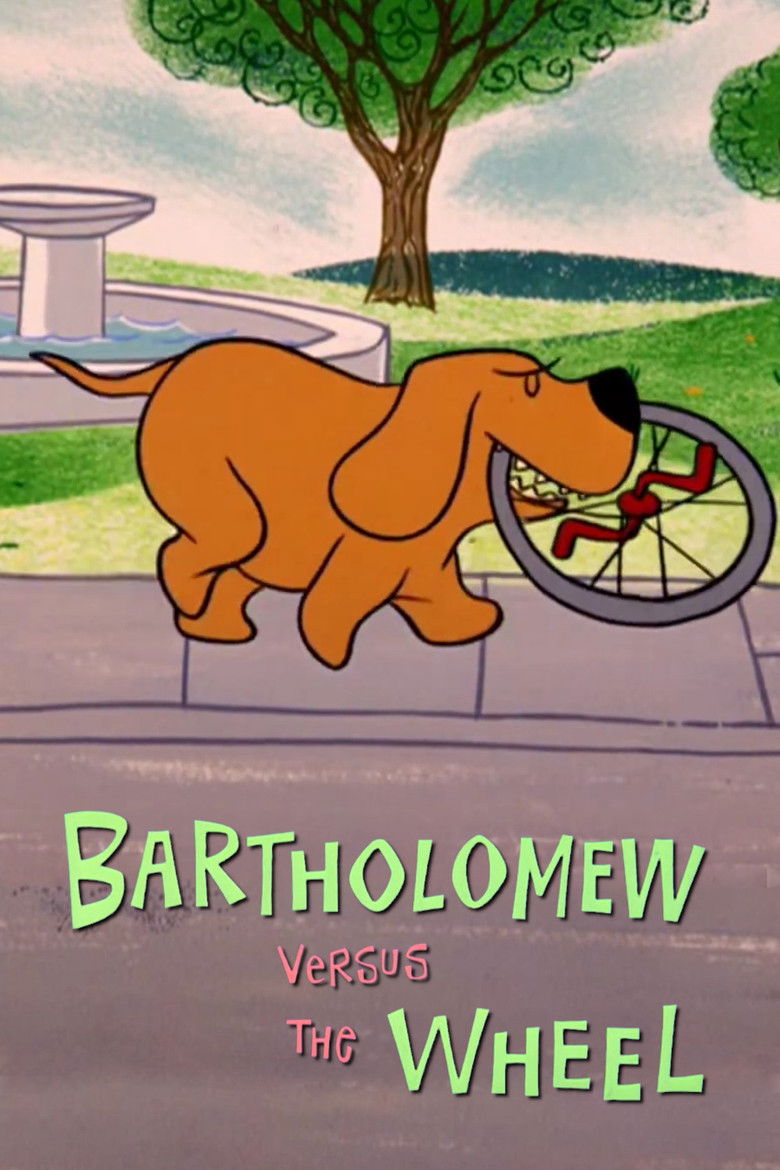
The story of Bartholomew, a dog who hates wheels, as he grows from a puppy to a very large dog.
Overall Score
Minimal
Category Breakdown
LGBTQ+ Representation
The film focuses entirely on a canine protagonist's aversion to wheels. There are no visible queer narratives or non-cisnormative identities present.
Gender Representation
The protagonist's gender remains neutral within the narrative. The story follows a standard biological progression without challenging or reinforcing specific gender hierarchies.
Racial & Ethnic Diversity
The story utilizes anthropomorphic animals rather than human characters. There is no evidence of intentional racial or ethnic representation through these species.
Religious & Cultural Diversity
The plot follows a conventional, linear growth arc. It lacks any critique of Western institutions, religion, or complex cultural frameworks.
Disability Representation
Bartholomew's fear of wheels could be viewed as a psychological phobia. However, it is unclear if this is treated with agency or used as a gag.
Strengths
Areas for Improvement
AI Analysis
This mid-century animated short is a character-driven vignette centered on a singular anthropomorphic protagonist. The narrative follows a simple developmental arc from puppyhood to adulthood, driven by a specific phobia. The film lacks an ensemble cast or diverse character archetypes, which limits its capacity for intersectional storytelling. It adheres to the traditional comedic tropes of the Golden Age of animation. Because the focus remains on a personal struggle against an inanimate object, the work lacks systemic critique or social commentary. It functions as a standard, non-intersectional comedic short.
1958
1955
1956
1955
1975

1966

1962
1949
1964
1953
1951
1946
No reviews yet. Be the first to share your thoughts on this movie!
Use the rating form above to leave a star rating and optional review.