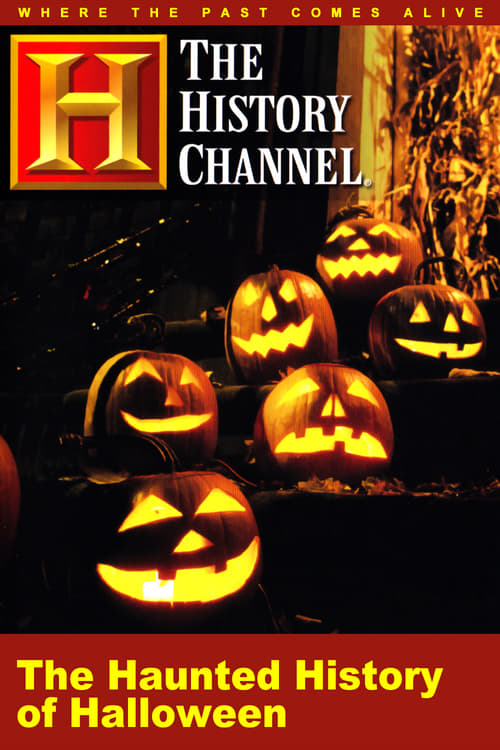
The Haunted History of Halloween
1997
No user ratings available yet
Representation score: 1.9 out of 10
Representation Score
Fair
1991
Director
Caryl Matrisciana
Runtime
43 minutes
Average Rating
No ratings yetNew Showbiz Analysis
The documentary's strength lies in its cultural deconstruction. By examining the pagan origins of Samhain, it challenges the dominant Christian narrative of Western holidays, providing a more complex historical perspective. However, the film's scope is narrow. It focuses heavily on European occultism, limiting its racial and ethnic breadth. It also lacks engagement with contemporary social identities, such as LGBTQ+ or disability representation. Ultimately, the work is a specialized historical investigation. It succeeds in disrupting religious hegemony but fails to address broader multi-layered identities.
Category Breakdown
The documentary explores historical and ritualistic elements rather than modern LGBTQ+ identities. It does not include any specific LGBTQ+ character stories or queer-coded narratives.
The film looks at ancient rites that often involve traditional gender roles. While it challenges simplified domestic narratives, it doesn't show clear examples of women taking leadership roles or overturning hierarchies.
By focusing on Druidic and Pagan roots, the film moves away from a Christian-dominated perspective. However, its scope is limited to ancient European traditions rather than a global, multi-ethnic viewpoint.
The film does well in breaking down sanitized Western holiday traditions by presenting them through the lens of sorcery and witchcraft. It challenges Christianized versions of traditions to reveal older, complex power structures.
There is no information available regarding the portrayal of physical or neurodivergent identities in this work.
Present on Screen
Limited or Absent
Official Synopsis
All the seemingly innocent symbolism of Halloween – blackcats, snakes, broomsticks, bonfires, “trick or treat,” jack-o’-lanterns, apple dunking and costumes – has its roots in Sorcery, Witchcraft and Satanism. Parents’ responsibilities are challenged to decide whether to allow their children to participate in celebrations which glorify Pagan Occultism. This highly informative video traces the pagan origins and history of Halloween. The Pagan Occult calendar of Druids, Witches, Pagans and Satanists marks Halloween as one of their highest “holy days.” This video uncovers the mystic Druidic rites and ceremonies with which “Samhain” (Halloween) was originally observed 4,000 years ago. The occult rituals seen in this video are real and not re-enactments.
1997
1922
1985
2019
1970
2005
1969
2020
No reviews yet. Be the first to share your thoughts on this movie!
Use the rating form above to leave a star rating and optional review.