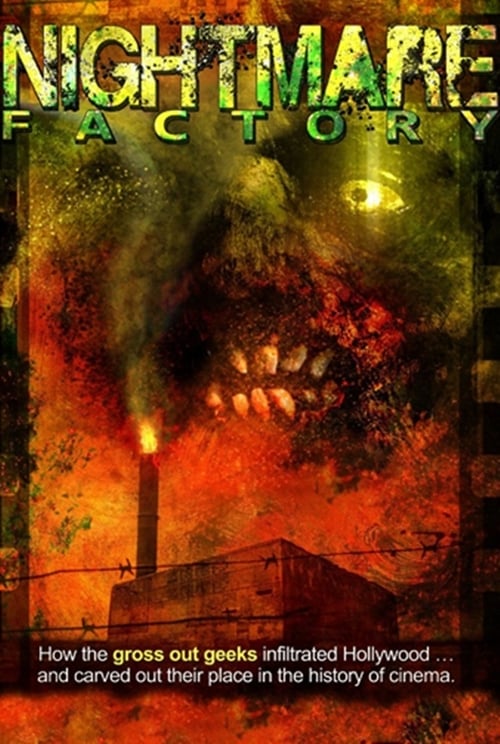
Nightmare Factory
2011
No user ratings available yet
Diversity score: 3.6 out of 10

2008
Director
Donna Davies
Runtime
48 minutes
Average Rating
No ratings yetSynopsis
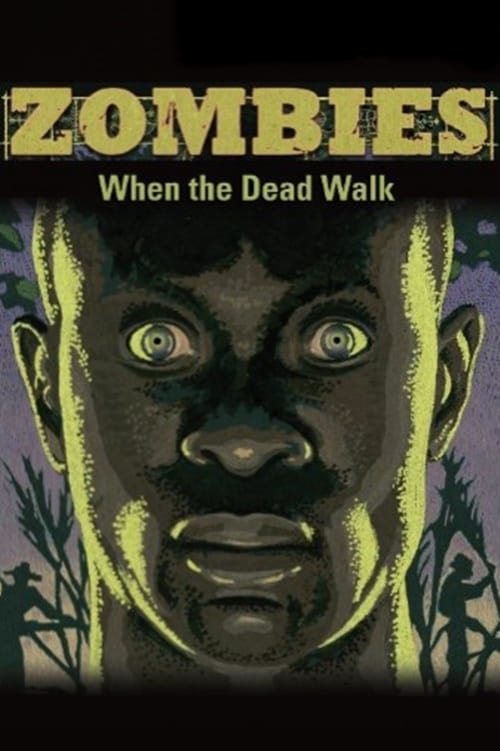
The evolution of the zombie from its roots in Haitian voodoo to its coveted role as the world's most popular monster: from being a clumsy corpse to becoming a cannibal killer and the main agent of every infectious pandemic, the zombie has come a long way in seventy years. A look at the rising tide of zombie culture examining why something so dead has so much life in viewers' nightmares and at the box office.
Overall Score
Fair
Category Breakdown
LGBTQ+ Representation
The film focuses on the historical evolution of a cinematic trope rather than character-driven narratives. There is no explicit evidence regarding the inclusion of LGBTQ+ perspectives or critiques of heteronormativity.
Gender Representation
The narrative architecture centers on the sociological impact of the zombie mythos. It lacks clear evidence of subverting traditional gender hierarchies or portraying specific gendered power dynamics.
Racial & Ethnic Diversity
The film engages with non-Western origins by tracing the zombie's roots to Haitian voodoo. This acknowledges the importance of non-Anglo-Saxon cultural foundations in the genre's history.
Religious & Cultural Diversity
The documentary explores how cultural symbols are recontextualized through media consumption. It examines the shift from folklore to globalized cinematic phenomena and systemic societal fears.
Disability Representation
The documentary does not provide information regarding the depiction of neurodivergence, physical disabilities, or mental health conditions within its study of genre evolution.
Strengths
Areas for Improvement
AI Analysis
Zombiemania functions as a cultural study of a monster archetype rather than a character-driven drama. Its strength lies in its historical scope, specifically acknowledging the Haitian voodoo origins of the zombie. This provides a necessary non-Western foundation for a genre often dominated by Western perspectives. However, the documentary's focus on sociological evolution means it lacks explicit representation of identity-based groups. There is no evidence of LGBTQ+ perspectives, gendered power dynamics, or disability representation being addressed within the cinematic history. Ultimately, the film is a neutral exploration of pop culture trends. It succeeds in tracing the transition from folklore to global phenomenon but remains silent on the interpersonal identities of the people within the genre.
2011
2018
2013
2018
2009
2022
2021
2008
2017
2013
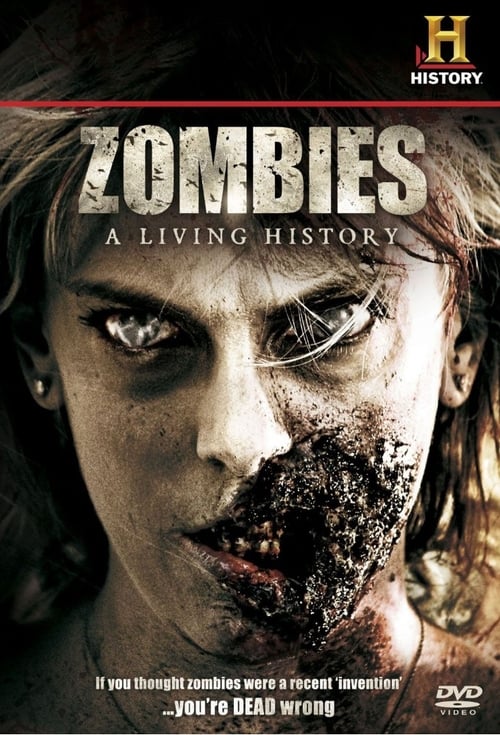
2011
2018
No reviews yet. Be the first to share your thoughts on this movie!
Use the rating form above to leave a star rating and optional review.