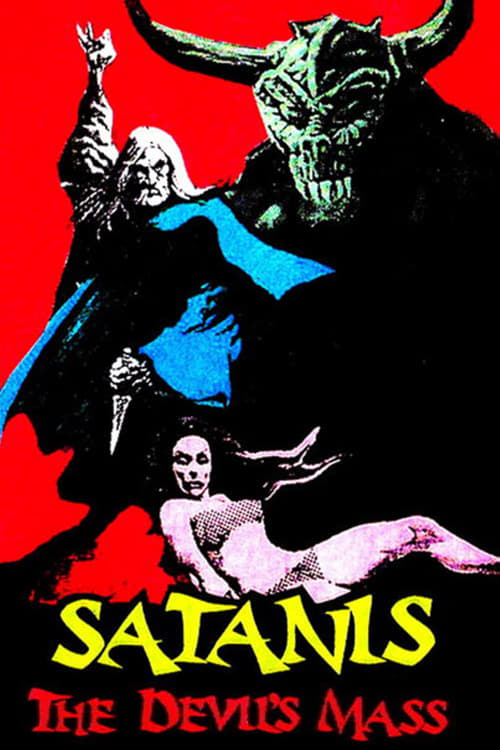
Satanis: The Devil's Mass
1970
No user ratings available yet
Diversity score: 4.9 out of 10
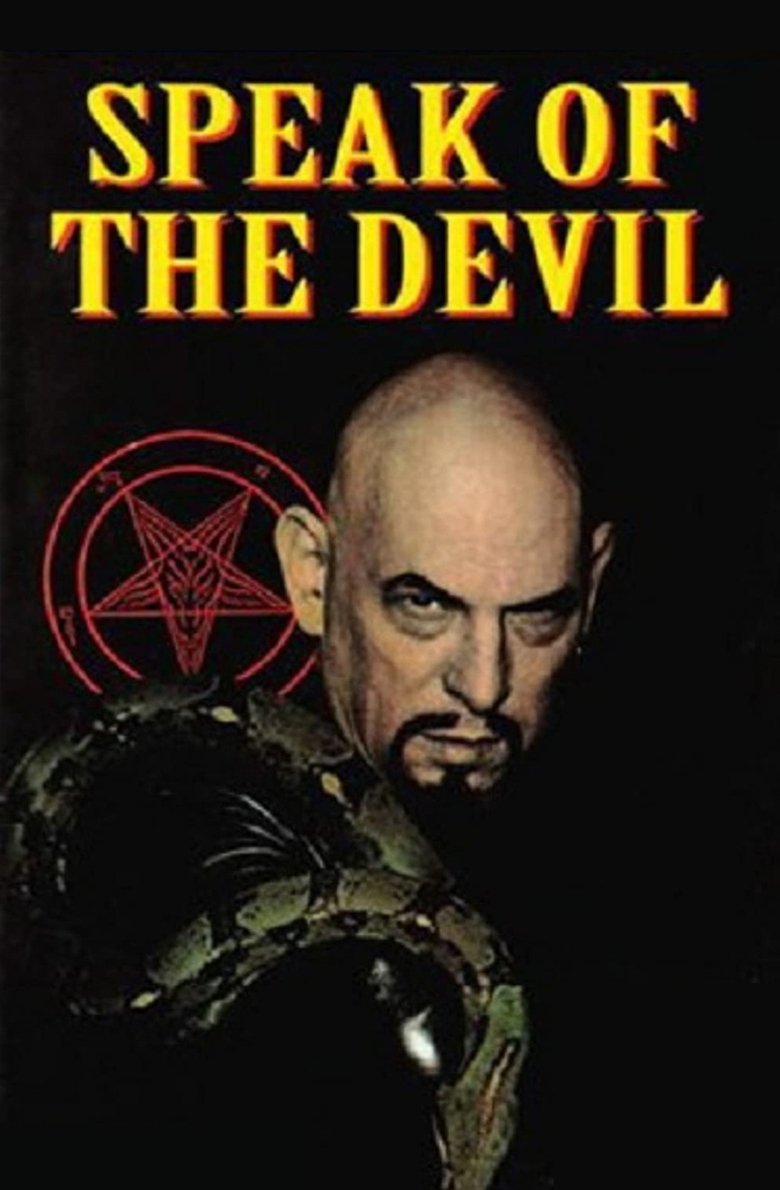
1995
Director
Nick Bougas
Runtime
85 minutes
Average Rating
No ratings yetSynopsis
But what is the Church of Satan? Who is Anton LaVey? Where is he from? Why does he do that? It does not take much to imagine the worst. Orgiastic ceremonies, where one revels in the blood of virgins, moonlight lamb sacrifices, noise concerts in the basement of a historical building… No, really nothing that amusing among the activities in the Church of Satan. Anton LaVey is nothing like a horned Charles Manson, and his path is all the more unexpected. Nick Bougas allows us to discover the artist, the musician, the philosopher, all through hallucinatory images retrieved from archives, making this rare documentary only two years before the author of the Satanic Bible disappeared.
Overall Score
Fair
Category Breakdown
LGBTQ+ Representation
The film explores the subculture of the Church of Satan, which often exists outside heteronormative norms. However, there is no explicit evidence of queer identities or specific narratives addressing LGBTQ+ themes.
Gender Representation
The documentary centers on the individualistic philosophy of Anton LaVey. While it challenges traditional social hierarchies, the heavy focus on a single male figure limits the visibility of female agency.
Racial & Ethnic Diversity
The biographical study focuses on a Western philosophical movement. The content appears to operate within a homogeneous cultural context, lacking evidence of non-white or non-Anglo-Saxon representation.
Religious & Cultural Diversity
The film excels at disrupting traditional Western institutional norms. It engages deeply with secularism and subjective morality, effectively challenging the sanctity of established religious authority through a postmodern lens.
Disability Representation
There is no information available regarding the portrayal of physical or neurodivergent disabilities in this documentary.
Strengths
Areas for Improvement
AI Analysis
Speak of the Devil is a niche documentary that finds its strength in cultural subversion rather than demographic breadth. It succeeds by deconstructing religious authority and exploring non-traditional, individualistic philosophies through archival imagery. However, the film lacks intersectional depth. The narrative is heavily centered on a singular male figure and a specific Western occult scene, which limits the representation of diverse racial, gender, and queer identities. Ultimately, the work is a study of counter-culture. It provides a provocative look at social disruption while remaining narrow in its explicit representation of identity groups.
1970
2007

2019
2016
1970
2007
2007
1997

2007
2010
2003

1998
No reviews yet. Be the first to share your thoughts on this movie!
Use the rating form above to leave a star rating and optional review.