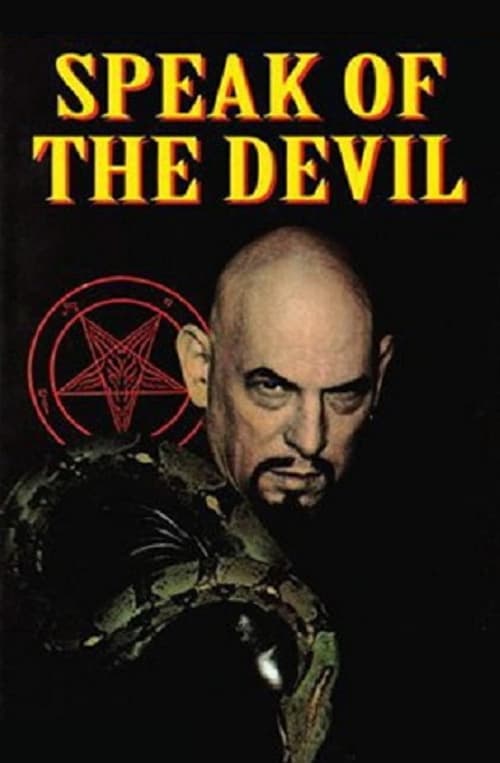
Speak of the Devil
1995
No user ratings available yet
Representation score: 4.7 out of 10
Representation Score
Fair
1970
XDirector
Ray Laurent
Runtime
86 minutes
Average Rating
No ratings yetNew Showbiz Analysis
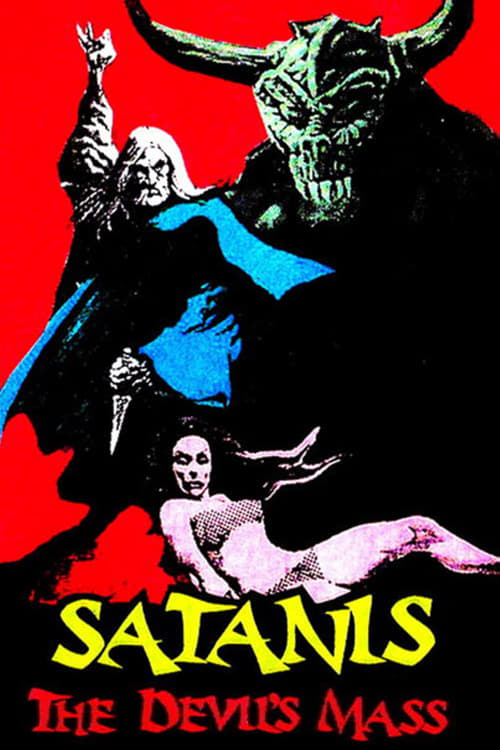
Satanis: The Devil's Mass is a provocative documentary that challenges traditional religious and moral norms. By documenting the Church of Satan, it directly confronts the moral and religious conventions of the 1970s through themes of self-indulgence and secularism. However, the film's impact is limited by a lack of racial diversity. The focus remains on a specific subculture, which prevents a broader representation and inclusion of various social dimensions. While the film disrupts traditional gender and sexual norms through its ritualistic content, it falls short in providing a comprehensive range of representations.
Category Breakdown
The film explores themes of sexual freedom that challenge traditional assumptions about sexuality. While specific identities are not explicitly named, the focus on breaking down traditional morality suggests a supportive environment for non-traditional relationships.
Imagery such as a nude woman serving as an altar disrupts traditional views of femininity. However, the subjects' roles are tied to the ritual context, limiting their independence.
The work appears to lack significant racial intersectionality. There is no evidence of a diverse or non-Anglo-Saxon majority cast within the San Francisco subculture depicted.
The documentary critiques Western institutions by focusing on secularism rather than Christian ideals. It highlights the Church of Satan as a lifestyle that rejects institutional guilt.
There is no information regarding the depiction of physical or neurodivergent disabilities in this film.
Present on Screen
Limited or Absent
Official Synopsis
The film is a study of Anton Szandor LaVey, leader of a cult of devil worshipers in San Francisco. He and his Church of Satan are shown performing a black mass, in which a nude woman serves as an altar and a boa constrictor wraps itself around a naked witch. Newsreel footage is included in which LaVey's neighbors are interviewed about the lion which he kept in his house until complaints resulted in the animal's removal to a zoo. The ideology of the Church of Satan is discussed--guilt rejection, sexual freedom, and self-indulgence.
1995
1922
1988
2016
2007
2008
1970
2019
No reviews yet. Be the first to share your thoughts on this movie!
Use the rating form above to leave a star rating and optional review.