
The Jesus Factor
2004
No user ratings available yet
Diversity score: 6.3 out of 10
2008
Director
Oren Jacoby
Runtime
93 minutes
Average Rating
No ratings yetSynopsis
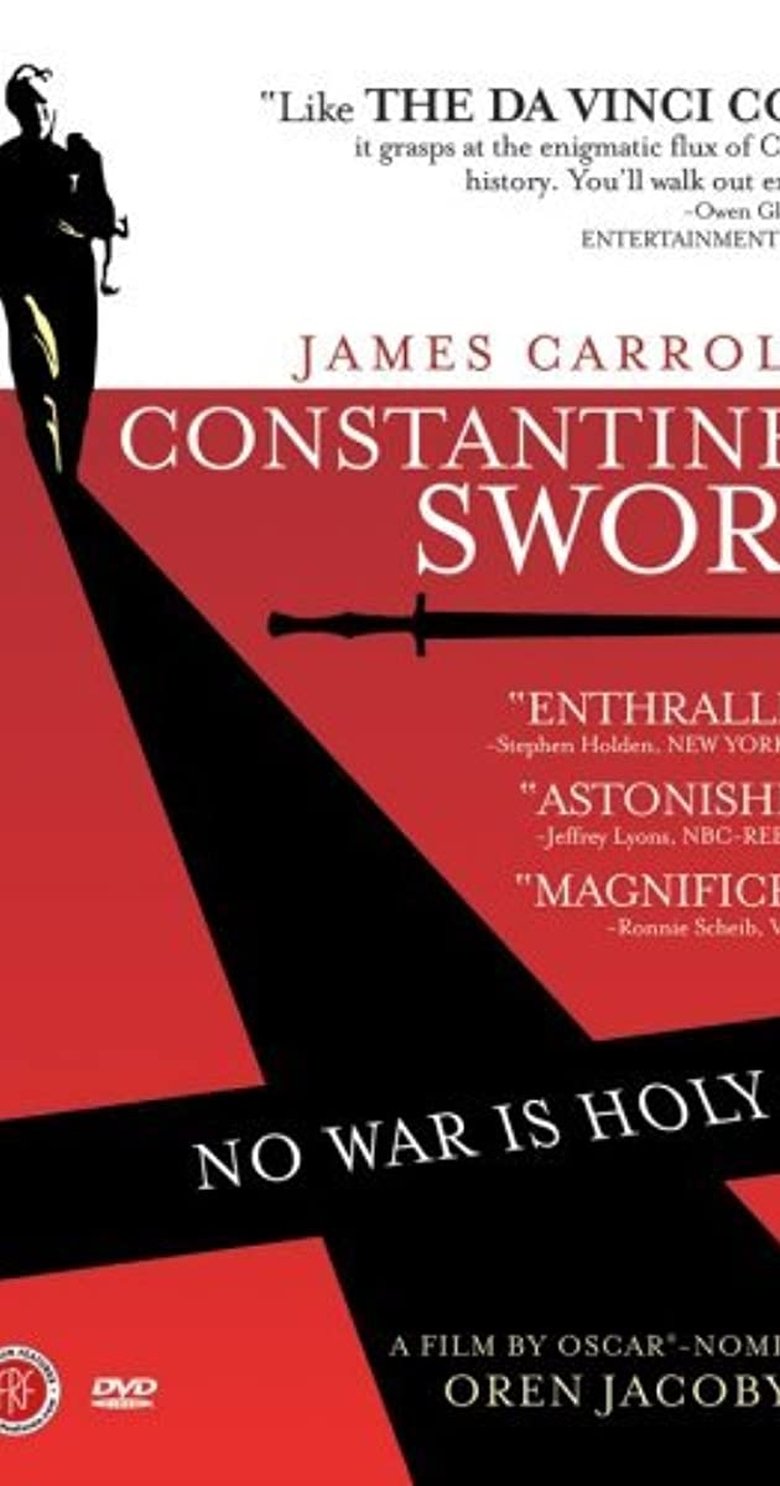
An exploration of the dark side of Christianity, following acclaimed author and former priest James Carroll on a journey of remembrance and reckoning.
Overall Score
Fair
Category Breakdown
LGBTQ+ Representation
The film explores the systemic marginalization of LGBTQ+ individuals through its critique of Christian institutionalism. It offers a nuanced look at how religious structures impact these communities.
Gender Representation
Narrative agency is primarily centered on a male protagonist, James Carroll. While the film may challenge patriarchal hierarchies, the focus remains on a male spiritual journey.
Racial & Ethnic Diversity
The documentary likely prioritizes Western theological history and traditional ecclesiastical structures. There is little evidence of a global or diverse racial perspective in the narrative.
Religious & Cultural Diversity
The film excels by subjecting dominant Western religious institutions to critical scrutiny. It prioritizes secular inquiry and the deconstruction of established dogma over religious promotion.
Disability Representation
There is no information available regarding the representation of physical or neurodivergent disabilities.
Strengths
Areas for Improvement
AI Analysis
Constantine's Sword functions as an intellectual deconstruction of religious authority. By following a former priest, the documentary uses an insider's perspective to examine the dark side of Christian institutionalism. The film's strength lies in its cultural subversion, challenging established power dynamics and dogma. It moves away from religious promotion toward a more subjective, moral inquiry. However, the narrative remains largely centered on Western theological history and a male protagonist. This focus limits the breadth of demographic and racial diversity presented.
2004
2006
2007
2015

2009
2008
1995

1994

2009
2009
2008

2018
No reviews yet. Be the first to share your thoughts on this movie!
Use the rating form above to leave a star rating and optional review.