
Heroes for Sale
1933
No user ratings available yet
Representation score: 3.5 out of 10
Representation Score
Limited
1927
PassedDirector
Harry Beaumont
Runtime
80 minutes
Average Rating
No ratings yetNew Showbiz Analysis
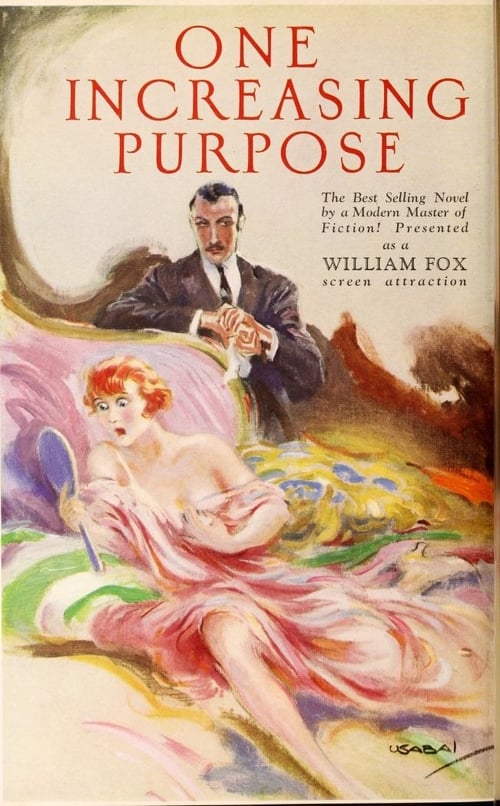
One Increasing Purpose is a classic example of 1920s filmmaking, emphasizing individual stories over broader societal issues. The film centers on a white male veteran’s search for purpose, reinforcing traditional social roles and hierarchies. It adheres to the era’s standards of homogeneity, focusing on a white protagonist and avoiding diverse casting or non-normative identities. While it touches on the psychological impact of war, it frames it through a lens of personal destiny rather than disability advocacy. Overall, the film operates as a typical period drama, lacking the complexity or social critique needed to address a wider range of issues.
Category Breakdown
The film does not include any LGBTQ+ characters or same-sex relationships. The story focuses on a male veteran within a heterosexual framework.
The male protagonist takes a leading role in driving the story, while female characters primarily serve domestic or romantic roles without much influence.
The story centers on a single white veteran, reflecting the era's preference for homogeneous casting. There is no evidence of a diverse cast.
The film emphasizes the concept of duty and reintegration into society, without critiquing Western or spiritual traditions.
The protagonist is not shown with any physical injuries, avoiding the depiction of physical disabilities. Psychological trauma is presented as a spiritual quest rather than a social issue.
Present on Screen
Limited or Absent
Official Synopsis
Stars Edmund Lowe as WWI veteran Slim Paris. Though most of his comrades died in battle, Paris returns home with nary a scratch. This convinces him that his life has a "greater purpose" in the scheme of things, so he sets about to find that purpose.
1933

1925

1935
1927
1916

1939

1939

1930
No reviews yet. Be the first to share your thoughts on this movie!
Use the rating form above to leave a star rating and optional review.