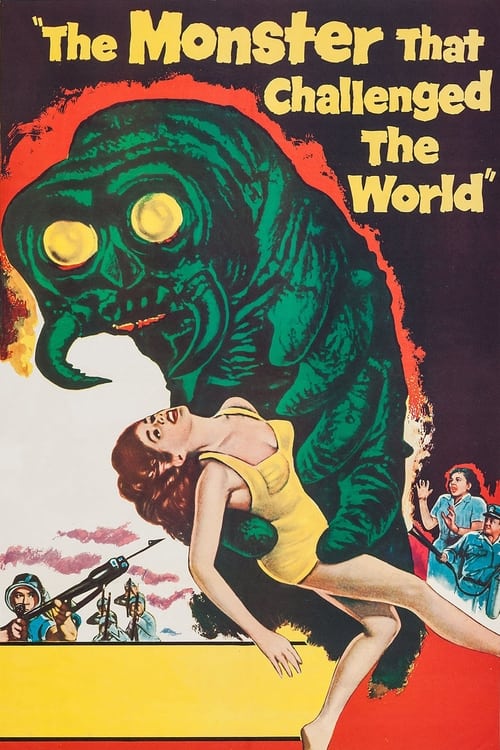
The Monster That Challenged the World
1957
No user ratings available yet
Representation score: 0.3 out of 10
Representation Score
Minimal
1967
PGDirector
Kim Kee-duk
Runtime
79 minutes
Average Rating
No ratings yetNew Showbiz Analysis
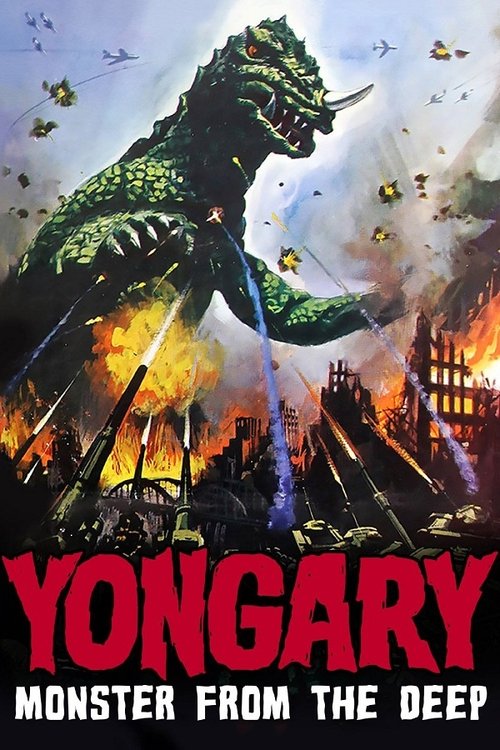
Yongary, Monster from the Deep is a mid-century genre piece that emphasizes institutional stability over social complexity. It adheres to traditional hierarchies of gender and authority without challenging established norms. While the film lacks diverse representation, its value lies in its regional identity, providing a localized alternative to the Western-centric monster movies of the 1960s. Ultimately, the film reflects its historical context, focusing on national defense and traditional social roles.
Category Breakdown
The film follows a traditional disaster-survival storyline without depicting any non-traditional gender identities or same-sex relationships.
The story focuses on male-dominated military and scientific sectors, limiting female roles to traditional gender divisions and reinforcing patriarchal structures.
The film features a predominantly South Korean cast set in Seoul, offering a rare non-Western perspective in the 1960s global science fiction landscape.
The story highlights the importance of state authority and scientific expertise, emphasizing the stability of national institutions during the crisis.
The film does not feature any prominent depictions of visible or invisible disabilities, nor does it utilize characters with disabilities as central plot devices.
Present on Screen
Limited or Absent
Official Synopsis
Earthquakes in central Korea turn out to be the work of Yongary, a prehistoric gasoline-eating reptile that soon goes on a rampage through Seoul.
1957
1954
1957
1956
1967
1953

1956
1968
No reviews yet. Be the first to share your thoughts on this movie!
Use the rating form above to leave a star rating and optional review.