
The Sentinel
1977
No user ratings available yet
Representation score: 3.3 out of 10
Representation Score
Fair
1971
PGDirector
Peter Duffell
Runtime
102 minutes
Average Rating
No ratings yetNew Showbiz Analysis
The film excels at deconstructing traditional genre archetypes, particularly regarding gendered power dynamics. By granting female characters a significant role in driving the story and making them the source of horror, it avoids the passive victim clichés common to the era. However, the work is limited by the cinematic constraints of 1971. It lacks intentionality regarding racial, ethnic, or LGBTQ+ representation, operating within a largely homogeneous Eurocentric framework. Ultimately, the film's strength lies in its psychological complexity and its critique of institutional authority, even when using mental health as a suspense mechanism.
Category Breakdown
The anthology focuses on Gothic themes of obsession and madness but does not include explicit LGBTQ+ identities or narratives that challenge the assumption that everyone is straight or cisgender.
The film challenges traditional gender roles by presenting women as powerful and predatory. Female characters play a significant role in driving the plot, especially in segments like 'The Brides of Dracula'.
The cast remains largely homogeneous, reflecting the Eurocentric framework of 1970s British horror. While socioeconomic backgrounds vary, there is a lack of significant racial or ethnic diversity in central arcs.
The narrative critiques institutional power and historical cruelty. 'The Pit and the Pendulum' explores the intersection of religious authority and systemic violence, while 'Schizoid' examines the breakdown of social norms.
Mental instability serves as a central narrative engine, particularly in 'Schizoid.' While these characters drive the plot, the film often uses psychological fragmentation as a device for suspense.
Present on Screen
Limited or Absent
Official Synopsis
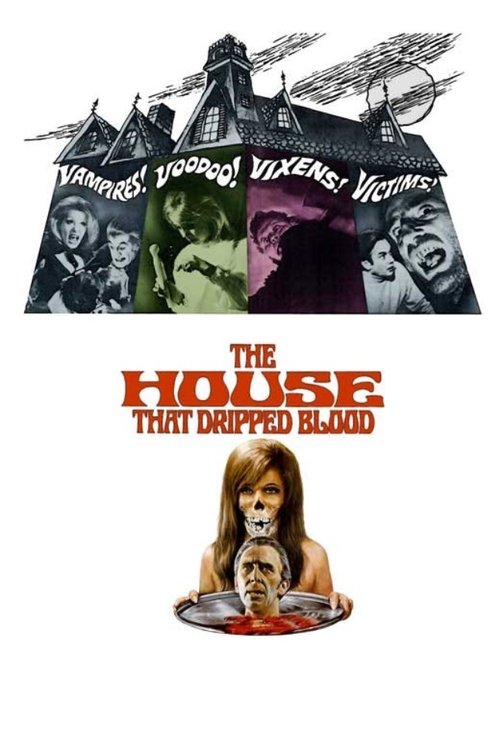
A Scotland Yard investigator looks into four mysterious cases involving an unoccupied house.
1977

1933

1973

1939

1990

1959
1960

1961
No reviews yet. Be the first to share your thoughts on this movie!
Use the rating form above to leave a star rating and optional review.