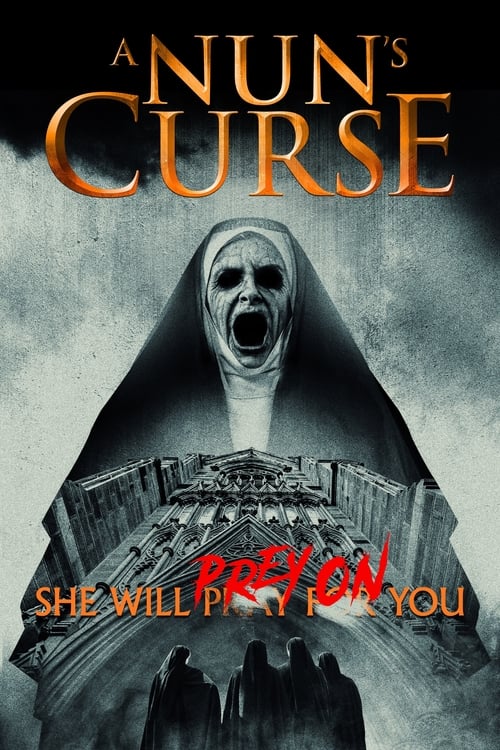
A Nun's Curse
2020
No user ratings available yet
Representation score: 2.0 out of 10

Representation Score
Minimal
2018
Director
Paul Hyett
Runtime
86 minutes
Average Rating
No ratings yetNew Showbiz Analysis
The Convent is a traditional period horror film that emphasizes creating a tense atmosphere and using genre clichés. While it features a female-led cast, the narrative stays within established conventions where women face supernatural threats. The film’s setting and casting reflect the demographics of 17th-century England, resulting in a lack of racial diversity. It does not offer any representation for LGBTQ+ identities or characters with disabilities. Overall, the film focuses on creating a sense of supernatural dread rather than deconstructing cultural power dynamics or exploring identity-based hierarchies.
Category Breakdown
The film does not include any LGBTQ+ characters or representations of non-straight identities. It follows traditional structures that assume everyone is straight.
The film features a strong female ensemble, providing visibility for women. However, the women often face supernatural dangers rather than challenging traditional gender roles.
The cast is primarily made up of actors representing the historical demographic of a 17th-century English convent. There is no evidence of diverse casting.
Religious symbols are used as tools for creating fear in the horror genre. The film uses the convent setting to create a sense of dread without critiquing religious beliefs.
The film does not depict any characters with physical, cognitive, or sensory disabilities. The characters are defined by their ability to survive in a horror setting.
Present on Screen
Limited or Absent
Official Synopsis
During the 17th century, a young woman is saved from execution and led to a priory to repent her sins but discovers a greater evil lies within.
2020

1971

2018

1971
2021

1961
2008
1943
No reviews yet. Be the first to share your thoughts on this movie!
Use the rating form above to leave a star rating and optional review.