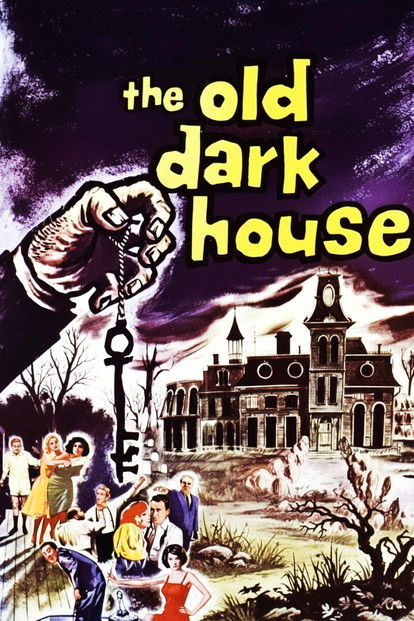
The Old Dark House
1963
No user ratings available yet
Diversity score: 2.2 out of 10
1967
NRDirector
William Castle
Runtime
100 minutes
Average Rating
No ratings yetSynopsis
When Ben and Kate Powell rent a haunted New England house by the sea, their son Steve gets blamed for the destruction caused by three unruly ghosts.
Overall Score
Minimal
Category Breakdown
LGBTQ+ Representation
The film contains no discernible LGBTQ+ characters or non-heteronormative narratives. Social and romantic dynamics remain strictly centered around traditional heteronormative structures.
Gender Representation
Gender roles rely on established mid-century archetypes. While the protagonist presents a bumbling masculinity, female characters primarily serve as foils to the central chaos rather than driving the plot.
Racial & Ethnic Diversity
The cast is largely homogeneous, reflecting the demographic norms of 1960s New England. There is no evidence of intentional racial blending or characters of color with significant agency.
Religious & Cultural Diversity
The narrative operates within a framework of traditional Western social values. It focuses on domestic stability and individual comedic struggles rather than deconstructing institutions like religion or the family.
Disability Representation
There is no significant depiction of visible or invisible disabilities. Physical comedy is rooted in slapstick movement rather than the meaningful representation of neurodivergence or chronic illness.
Strengths
Areas for Improvement
AI Analysis
The film functions as a mid-century slapstick farce that prioritizes traditional comedic tropes over identity-based subversion. It adheres closely to the social hierarchies and domestic archetypes prevalent in 1960s American cinema. Rather than exploring systemic power dynamics, the story uses supernatural elements to facilitate misunderstandings. The setting and characterizations reinforce a homogeneous, Anglo-centric social landscape typical of its era. Ultimately, the work lacks the intentionality required to disrupt established hierarchies, opting instead to reinforce the status quo through standard character archetypes.
1963
1957
1937

2007
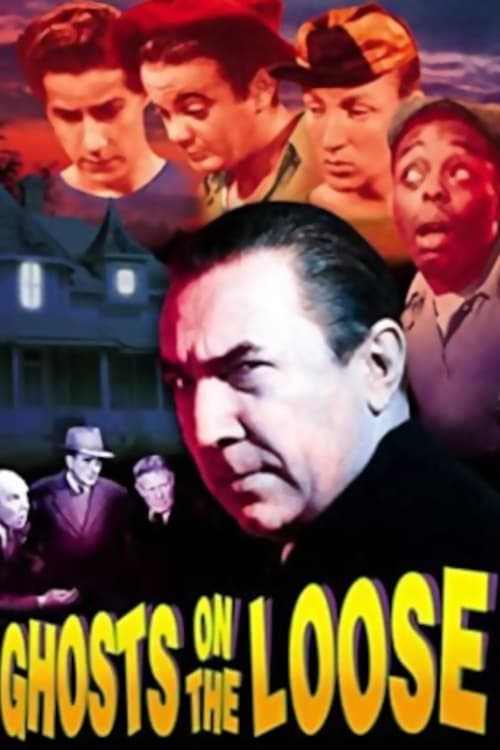
1943
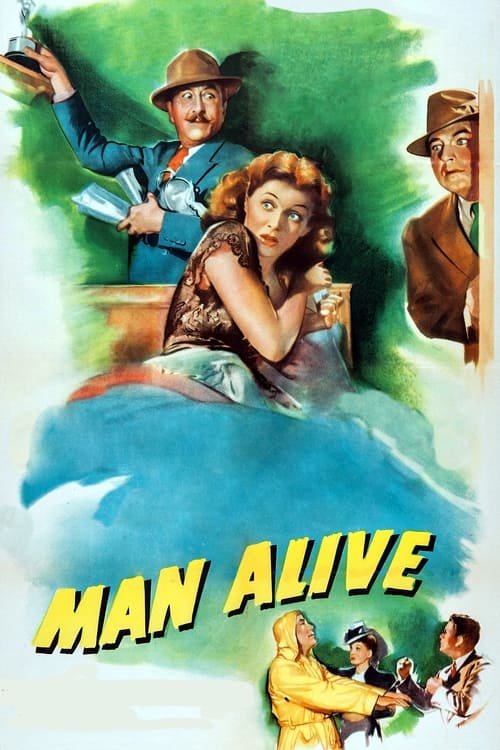
1945
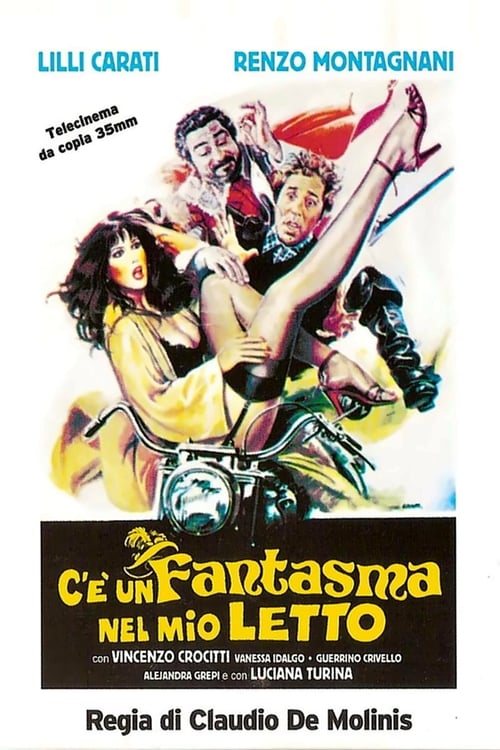
1981
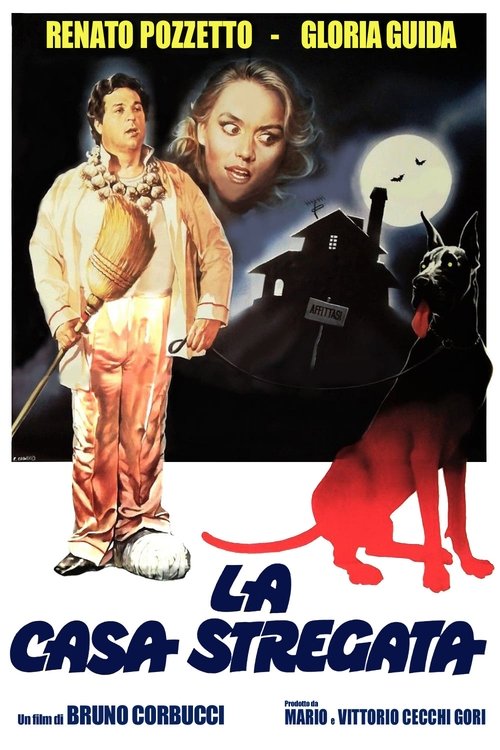
1982

2017
1926
1945
1941
No reviews yet. Be the first to share your thoughts on this movie!
Use the rating form above to leave a star rating and optional review.