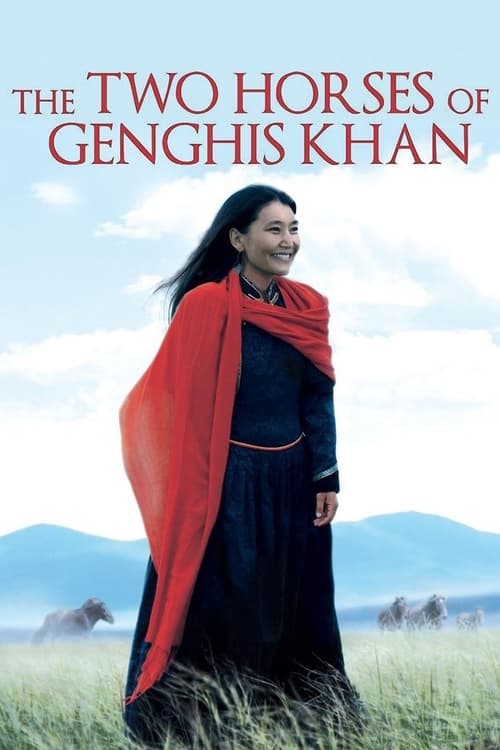
The Two Horses of Genghis Khan
2009
No user ratings available yet
Representation score: 4.6 out of 10
Representation Score
Fair
2004
PGDirector
Byambasuren Davaa, Luigi Falorni
Runtime
91 minutes
Average Rating
No ratings yetNew Showbiz Analysis
This film stands out as a compelling ethnographic story centered around indigenous Mongolian life. By emphasizing local rituals and the ability to act of the nomadic family, it successfully challenges Western-centric storytelling clichés. The documentary offers a unique, authentic perspective on a culture navigating the balance between ancestral traditions and modern globalization. While the film excels in its authentic portrayal of indigenous life and cultural resilience, it lacks representation of LGBTQ+ identities or disability narratives. The focus remains firmly on the ecological and communal survival of the nomadic community. Overall, the film is a profound exploration of cultural resilience. It provides a nuanced view of gendered labor and honors the intellectual and physical strength needed to thrive in the Gobi Desert.
Category Breakdown
The film does not include any LGBTQ+ characters or narratives. The story focuses solely on the survival of the nomadic family and their livestock.
Women are shown playing crucial roles in managing the herd and ensuring the family's survival. They demonstrate strong competence and leadership within the nomadic community.
The film features an authentic indigenous Mongolian cast, avoiding including someone from a minority group without giving them real depth by letting the subjects drive the story based on their own customs.
The movie highlights traditional spiritual rituals, providing a sophisticated view of how indigenous practices resist modern capitalist pressures.
No characters with disabilities are featured in the film. The narrative focuses on the physical demands of nomadic life.
Present on Screen
Limited or Absent
Official Synopsis
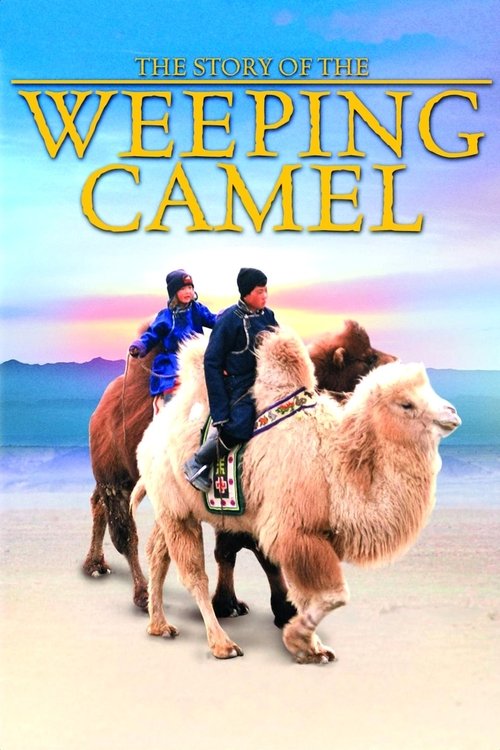
When a Mongolian nomadic family's newest camel colt is rejected by its mother, a musician is needed for a ritual to change her mind.
2009
2016
2019
2019
2015
2015
2005
2019
No reviews yet. Be the first to share your thoughts on this movie!
Use the rating form above to leave a star rating and optional review.