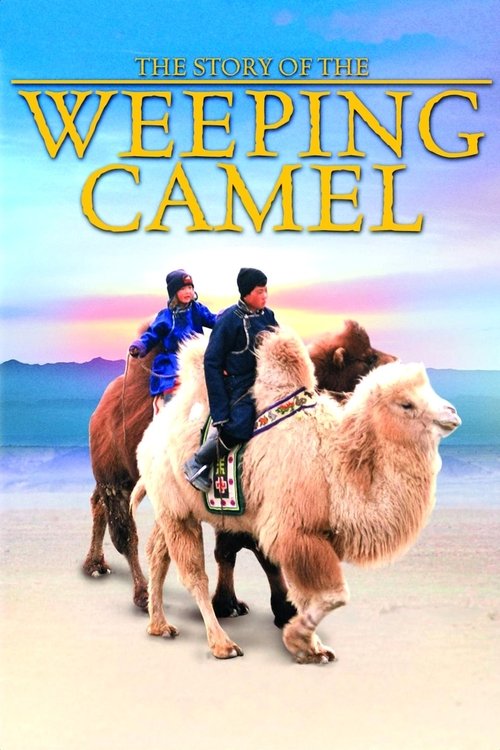
The Story of the Weeping Camel
2004
No user ratings available yet
Representation score: 4.8 out of 10
Representation Score
Good
2019
Director
Mo Scarpelli
Runtime
86 minutes
Average Rating
No ratings yetNew Showbiz Analysis
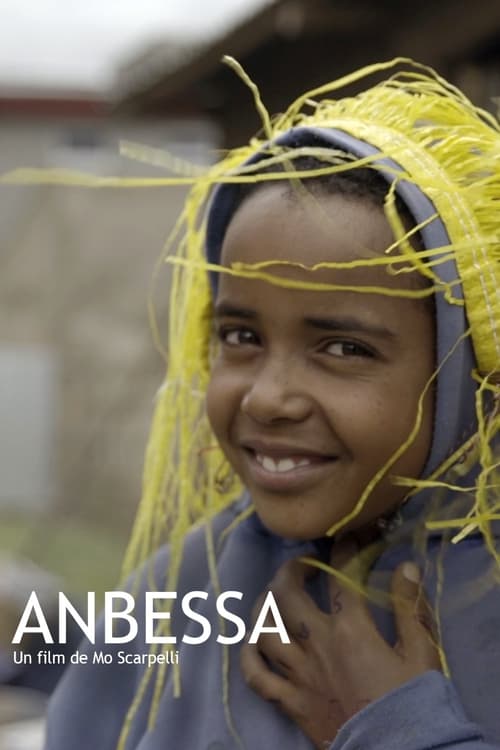
Anbessa is a compelling study of cultural preservation against the tide of rapid urbanization. By centering an Ethiopian perspective, the film successfully avoids the homogenizing clichés of Western-centric cinema, offering a localized view of resistance and identity. The narrative excels in its portrayal of racial and ethnic ability to act, using indigenous myths to frame a struggle for community rootedness. The mother's role provides a strong counter-narrative to industrial, male-led progress, adding depth to the gender dynamics. However, the film's scope appears narrow, leaving questions regarding LGBTQ+ representation and disability unaddressed. While culturally rich, the narrative focus is strictly bounded by the specific familial and environmental conflict presented.
Category Breakdown
The film does not explicitly depict LGBTQ+ identities or non-binary gender expressions. The story focuses on the relationship between a mother and her son.
A maternal figure plays a central role in resisting systemic pressures. Her defiance of modern housing development challenges traditional patriarchal structures.
The film offers exceptional representation by centering an Ethiopian cast and narrative. It disrupts the Western-centric viewpoint by emphasizing East African lived experiences and ability to act.
The story challenges Western notions of progress by criticizing capitalist expansion. The protagonist uses local myths to highlight indigenous identity over standardized modern values.
There is no depiction of physical or neurodivergent disabilities within the provided narrative.
Present on Screen
Limited or Absent
Official Synopsis
Asalif and his mother defy Ethiopia’s omnipresent modern housing development culture, by continuing to live a life characterised by proximity to nature and rootedness in community. The boy counters the ruptures in his accustomed surroundings and the threat posed by the hyena that haunts his neighbourhood by reinventing himself as a hero: as Anbessa, the lion.
2004
2019

2021
2019
2016
2018
2015

2022
No reviews yet. Be the first to share your thoughts on this movie!
Use the rating form above to leave a star rating and optional review.