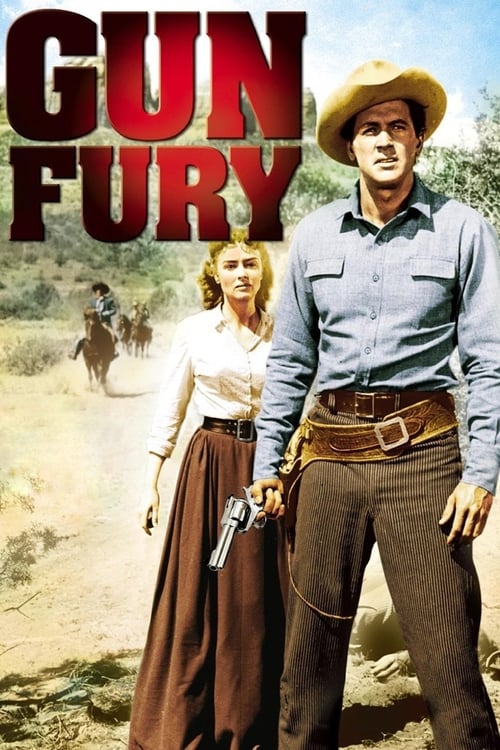
Gun Fury
1953
No user ratings available yet
Representation score: 0.5 out of 10
Representation Score
Minimal
1951
NRDirector
Raoul Walsh
Runtime
88 minutes
Average Rating
No ratings yetNew Showbiz Analysis
Raoul Walsh’s film is a classic mid-century Western that reinforces the social hierarchies of its time. The narrative centers on masculine heroism and the preservation of established authority, offering little space for diverse perspectives. The film relies on traditional clichés, especially concerning racial and gender dynamics. Native Americans are used as antagonists, and women have limited roles within the male-led expedition. Ultimately, the film celebrates conservative frontier values. It avoids challenging the status quo and prioritizes conventional storytelling over nuanced representation.
Category Breakdown
The film follows a strictly heterosexual and cisgender structure. There are no representations of LGBTQ+ identities or same-sex relationships.
Women in the film are confined to supporting or domestic roles. The story emphasizes masculine leadership and traditional patriarchal structures.
Native American characters are portrayed primarily as antagonists or sources of conflict. The film uses reductive racial stereotypes without giving much depth to non-white characters.
The narrative upholds pioneer values and frontier justice. It does not question Western institutions and instead promotes the maintenance of traditional authority.
There are no prominent depictions of visible or invisible disabilities. Characters are defined by the physical demands of frontier life.
Present on Screen
Limited or Absent
Official Synopsis
US marshal Len Merrick saves Tim Keith from lynching at the hands of the Roden clan, and hopes to get him to Santa Loma for trial. Vindictive Ned Roden, whose son Ed was killed, still wants personal revenge, and Tim would like to escape before Ned catches up with him again. Can the marshal make it across the desert with Tim and his daughter? Even if he makes it, will justice be served?
1953
1930
1955
1940
1958
1966
1955
1956
No reviews yet. Be the first to share your thoughts on this movie!
Use the rating form above to leave a star rating and optional review.