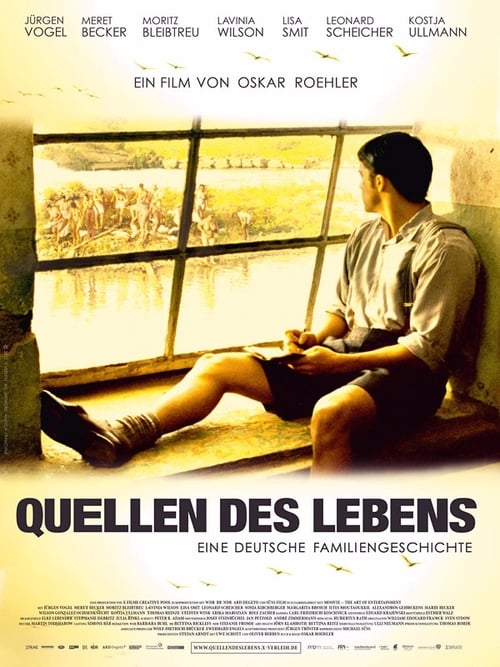
Sources of Life
2013
No user ratings available yet
Representation score: 3.5 out of 10
Representation Score
Limited
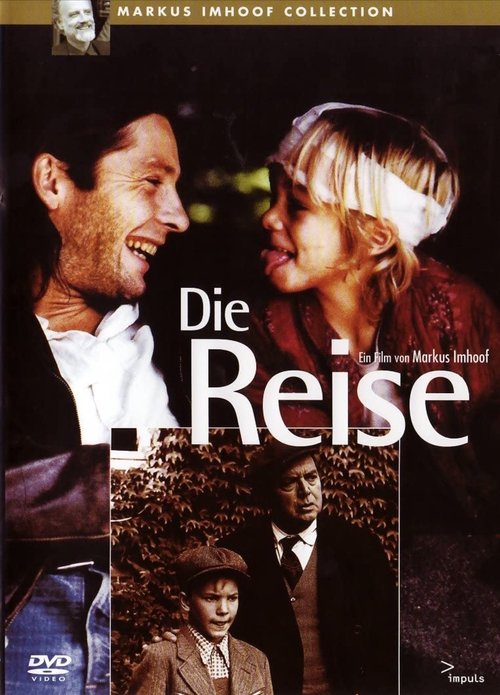
1986
Director
Markus Imhoof
Runtime
105 minutes
Average Rating
No ratings yetNew Showbiz Analysis
Die Reise is a sophisticated coming-of-age drama that uses a personal journey to challenge nationalistic myths. It prioritizes humanitarian empathy over state-mandated laws, critiquing the perceived moral purity of Swiss neutrality during World War II. The film's impact stems from its narrative intentionality rather than diverse casting. By focusing on the plight of Jewish refugees, it uses the presence of the 'other' to highlight systemic failures and critique institutional isolationism. Ultimately, the work serves as a critique of institutional power, validating the subversion of authority in favor of universal human rights through the eyes of its young protagonists.
Category Breakdown
The film does not include any LGBTQ+ characters or stories. It focuses solely on the experiences of the hiking group and the political situation of the time.
The narrative is predominantly centered around young boys and male authority figures, reflecting traditional gender roles of the period.
Although the cast is ethnically uniform, the story highlights the struggles of Jewish refugees seeking survival. Their fight underscores the systemic failures of Swiss society.
The film offers a deep critique of Swiss neutrality and state institutions. It portrays national laws as oppressive mechanisms that marginalize the vulnerable.
There are no significant representations of physical or neurodivergent disabilities in the main storyline.
Present on Screen
Limited or Absent
Official Synopsis
An unusual family story about two father and son generations, beginning on a German country side and ending in the students' revolt in Berlin.
2013
1988
1983
1976
1970
1975
1989
1993
No reviews yet. Be the first to share your thoughts on this movie!
Use the rating form above to leave a star rating and optional review.