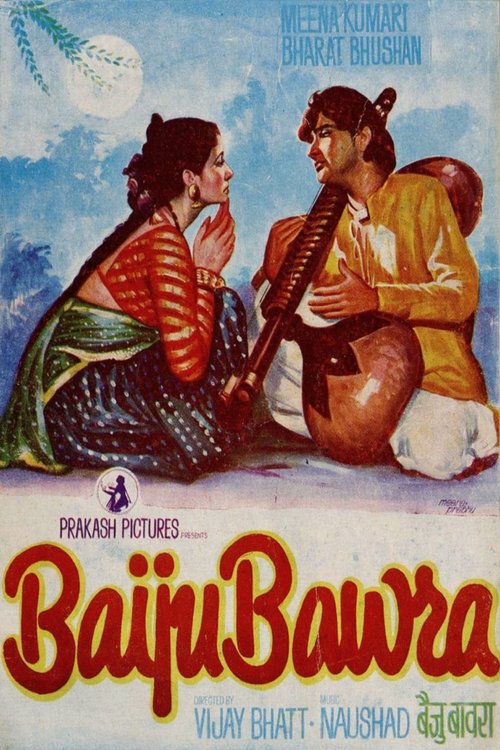
Baiju Bawra
1952
No user ratings available yet
Representation score: 1.9 out of 10
Representation Score
Good
1967
Director
Leo Esakia
Runtime
89 minutes
Average Rating
No ratings yetNew Showbiz Analysis
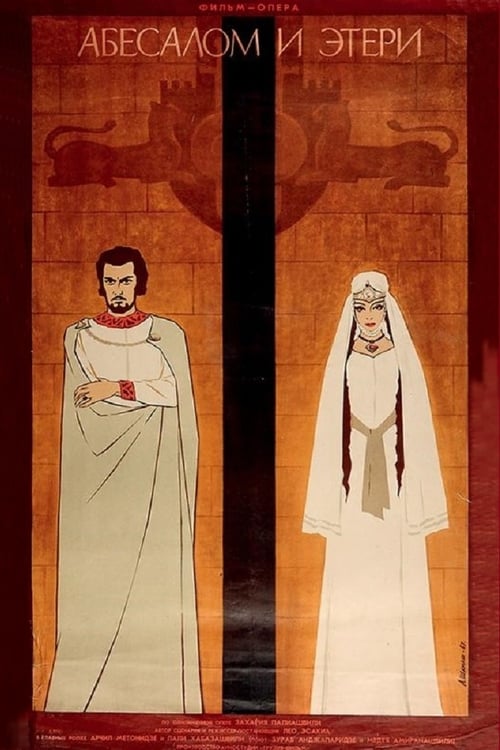
Leo Esakia’s work uses poetic realism to explore the tension between individual ability to act and communal tradition. The film presents a distinct, non-Western cultural perspective through its authentic Georgian cast and linguistic traditions. While the film lacks explicit LGBTQ+ representation or nuanced disability studies, it offers a sophisticated critique of patriarchal structures. The protagonist's struggle against systemic social pressures elevates the story beyond a simple romance. Ultimately, the film's strength lies in its ability to frame the individual's fight against established social institutions as a central thematic conflict.
Category Breakdown
The film follows a traditional romantic storyline focused on a single couple. It does not include any depictions of same-sex relationships or non-binary gender identities.
Eteri is a central character whose fight against patriarchal constraints drives the drama. Her active role provides a counterpoint to traditional romantic storylines.
The production features an ethnically homogeneous Georgian cast to maintain cultural authenticity. This approach avoids Western-centric casting norms in favor of local traditions.
The narrative criticizes strict communal morality and social policing. It portrays traditional village hierarchies as restrictive forces that clash with individual humanistic impulses.
A mysterious disease acts as a primary plot catalyst for Eteri. However, the illness functions more as a narrative device than a deep exploration of disability.
Present on Screen
Limited or Absent
Official Synopsis
Prince Abesalom runs into an orphaned Eteri while hunting, falls for her and brings the woman to his palace as his fiancé. The Prince’s aid Murman loses his self-control at Eteri’s beauty and gives her a spelled necklace as a wedding gift. Eteri contracts a mysterious disease that only Murman is capable to heal.
1952

1955

1952
1970
1972

1951
1963

1948
No reviews yet. Be the first to share your thoughts on this movie!
Use the rating form above to leave a star rating and optional review.