Hobo
1992
No user ratings available yet
Representation score: 6.0 out of 10
Representation Score
Fair
2000
Director
Du Haibin
Runtime
125 minutes
Average Rating
No ratings yetNew Showbiz Analysis
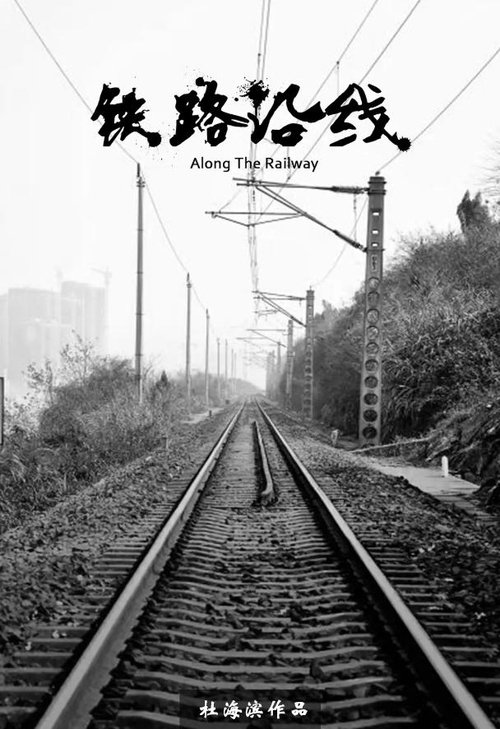
Along the Railway is an observational study of underrepresented communities near the Baoji railway station. It prioritizes socioeconomic reality and systemic critique over specific identity-based representation. The film dismantles the myth of national progress by highlighting the disenfranchised. Though it lacks LGBTQ+ narratives and intentionally subverts gender hierarchies, it excels in cultural critique. It uses the setting to highlight the tension between state-led development and the lived experience of the poor. Ultimately, the film's strength lies in its authentic, non-Western perspective. It offers a nuanced view of systemic vulnerability through a hyper-realistic lens.
Category Breakdown
The film focuses on the daily struggles of railway dwellers and does not include any LGBTQ+ characters or stories about non-straight identities.
The story highlights the physical hardships of poverty rather than typical gender roles. It avoids common domestic themes by focusing on the raw struggle of displaced people.
The film centers on the Chinese rural and displaced experience in Shaanxi. It uses non-professional actors to provide an authentic look at those left behind by modernization.
The documentary examines the impact of rapid industrial growth by focusing on those living on the outskirts. It portrays modernization as a disruptive force on traditional ways of life and individual survival.
While the film does not focus on clinical disabilities, it captures the hidden disabilities of extreme poverty, such as malnutrition and exhaustion. Characters maintain control through their survival strategies.
Present on Screen
Limited or Absent
Official Synopsis
This important, patient documentary follows a year in the life of the sidings dwellers who eke out a living, begging, foraging, stealing and sleeping rough near the Baoji railway station in Shaanxi.
1992

2000
2001

2000

2001

2009

1990
2003
No reviews yet. Be the first to share your thoughts on this movie!
Use the rating form above to leave a star rating and optional review.