
La decente
1971
No user ratings available yet
Representation score: 2.0 out of 10

Representation Score
Limited
1967
Director
José Luis Sáenz de Heredia
Runtime
98 minutes
Average Rating
No ratings yetNew Showbiz Analysis
Pero… en qué país vivimos! is a period-specific social comedy that captures the friction of a changing society through its musical protagonists. While it engages with the era's modernization, the film remains anchored in the traditional social hierarchies of the 1960s. The narrative structure relies heavily on established archetypes, particularly in the gendered conflict between its leads. It functions more as a critique of social etiquette and bureaucracy than a tool for disrupting conventional expectations of power or identity. Ultimately, the film reflects the standard demographic and social norms of its time, lacking the intentionality needed to challenge conventional expectations.
Category Breakdown
The film follows the conventions typical of mid-century commercial cinema, assuming that everyone is straight or cisgender. There are no queer narratives or non-binary gender identities represented.
The story relies on traditional gender stereotypes, pitting a serious male singer against a vivacious female lead. This tension reflects established gender roles rather than challenging existing hierarchies.
The production features a predominantly Mestizo and Latin American cast, reflecting its 1967 Mexican origin. It lacks intentional racial blending or diverse non-white representation.
The film serves as a social satire focused on bureaucracy and urban modernization. It critiques social manners in a conventional manner rather than disrupting cultural norms.
There is no discernible evidence regarding the portrayal of physical or neurodivergent disabilities within the narrative.
Present on Screen
Limited or Absent
Official Synopsis
Antonio Torres, a serious singer of Spanish popular music, and Bárbara, a vivacious yé-yé singer, face off in a chaotic contest promoted by Rodolfo Sicilia, an overworked publicist.
1971
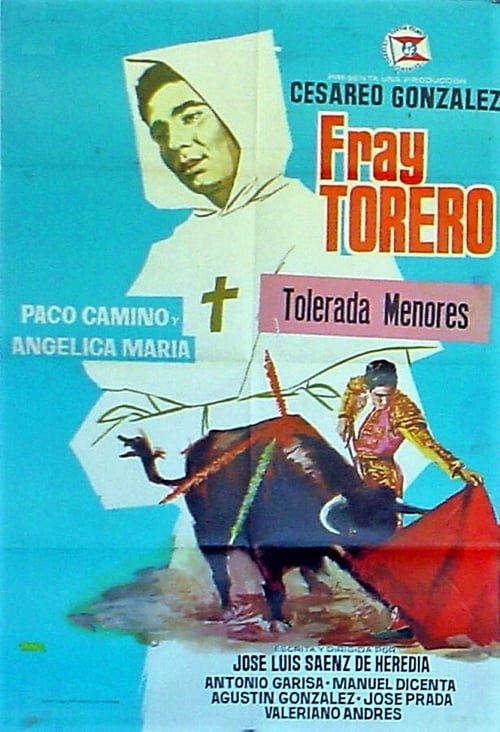
1966
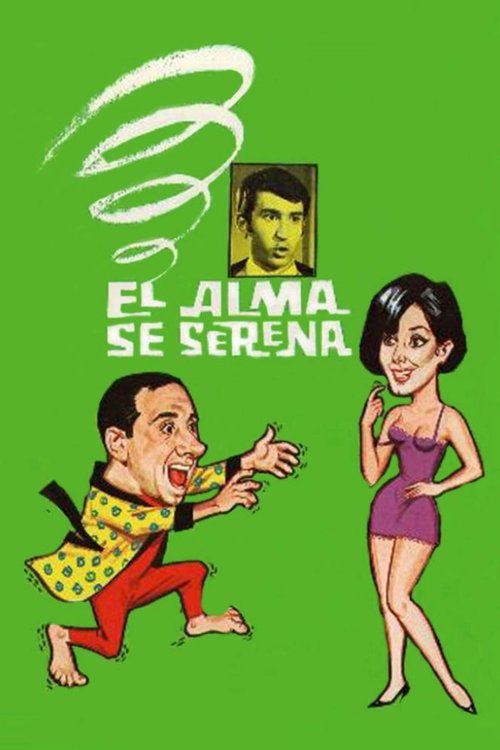
1970
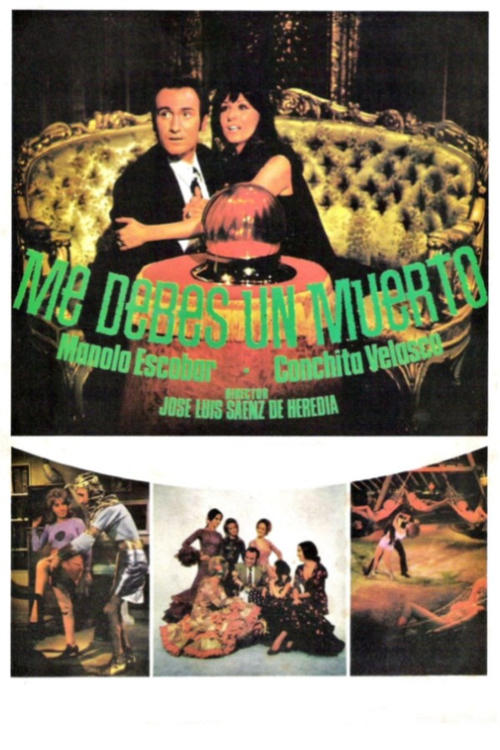
1971
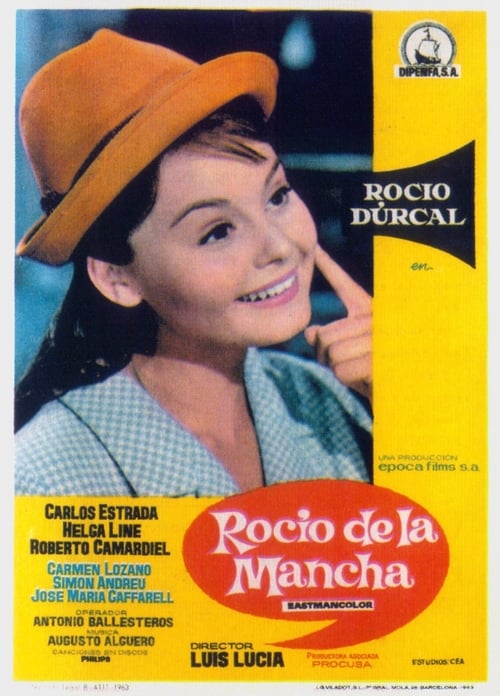
1963

1970
1981
1962
No reviews yet. Be the first to share your thoughts on this movie!
Use the rating form above to leave a star rating and optional review.