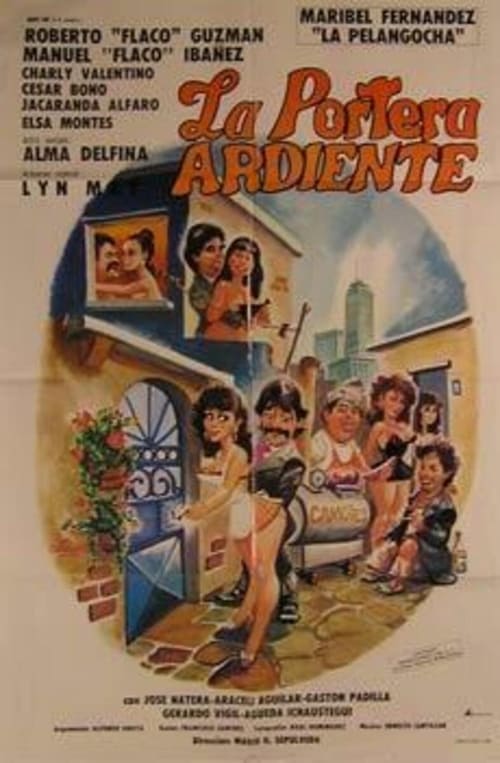
La portera ardiente
1989
No user ratings available yet
Representation score: 4.2 out of 10
Representation Score
Limited
1988
Director
José Luis García Sánchez
Runtime
90 minutes
Average Rating
No ratings yetNew Showbiz Analysis
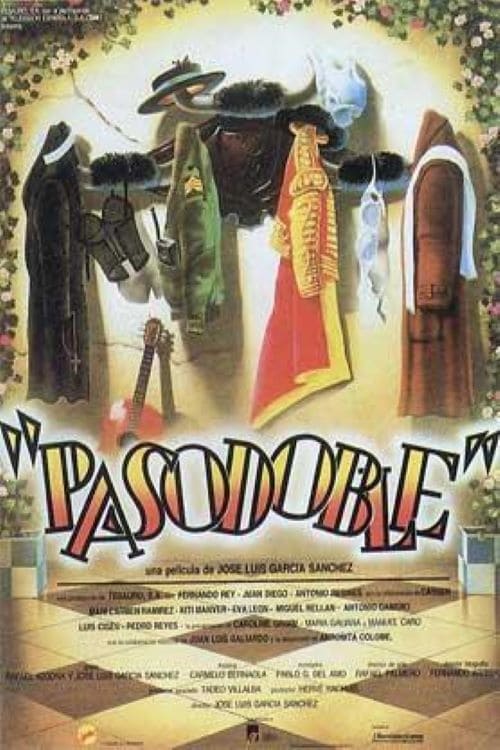
Pasodoble is a social comedy that prioritizes class struggle over multi-layered identity politics. It uses the tension between a displaced family and state authorities to challenge traditional hierarchies and institutional power. The film finds its strength in its narrative structure, positioning underrepresented squatters against the rigid order of museum curators and law enforcement. This setup provides a platform for critiquing property ownership and state-sanctioned authority. However, the film lacks depth in modern representation, offering little in the way of racial diversity or explicit LGBTQ+ identities, remaining rooted in a specific, localized Spanish social framework.
Category Breakdown
The film hints at a non-traditional romantic relationship between a grandmother and a prince. However, it lacks explicit LGBTQ+ character arcs or clear representations of diverse gender identities.
A strong female figure serves as the narrative anchor, driving the central conflict through her past. There is little evidence to show if female characters have significant control beyond their familial roles.
The setting in Córdoba suggests a focus on localized Spanish social contexts. The narrative appears to lean toward a homogeneous depiction of Mediterranean social strata.
The story critiques state institutions by framing museum administrators and police as antagonists. This disrupts conventional portrayals of authority, focusing instead on the struggles of displaced families.
There is no evidence regarding the inclusion of characters with physical or neurodivergent disabilities.
Present on Screen
Limited or Absent
Official Synopsis
A family, expelled from their shack, occupies the museum in Cordoba where once lived the prince who, in his youth, was the grandmother's lover. The curators and administrators of the museum, aided by a couple of inexperienced policemen, harass the squatters to force them to leave.
1989
1978
1982
1988
1982

1978
1982

1984
No reviews yet. Be the first to share your thoughts on this movie!
Use the rating form above to leave a star rating and optional review.