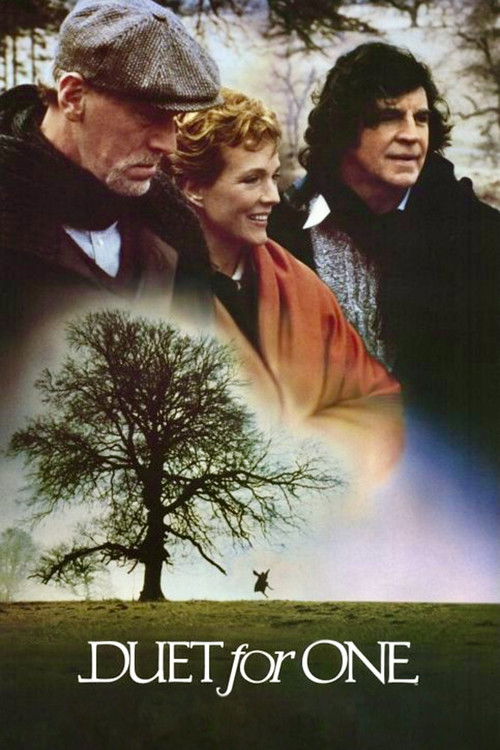
Duet for One
1986
No user ratings available yet
Diversity score: 4.0 out of 10

1970
Director
Andrei Konchalovsky
Runtime
104 minutes
Average Rating
No ratings yetSynopsis
Retired professor Serebryakov and his young wife Yeléna disrupt the lives of his brother-in-law Vanya and daughter Sofya on a rural estate, leading to a crisis of unrequited love, resentment, and disillusionment.
Overall Score
Fair
Category Breakdown
LGBTQ+ Representation
The film is rooted in the heteronormative social structures of 19th-century Russia. There are no depictions of non-cisnormative identities or same-sex intimacy.
Gender Representation
The narrative explores the psychological toll of social hierarchies on women like Yelena and Sonya. While the film passes the Bechdel test, female agency remains largely reactive to male protagonists.
Racial & Ethnic Diversity
Casting is intentionally homogeneous to reflect the historical reality of rural Russia. The film does not attempt to disrupt the era's racial norms through intersectional casting.
Religious & Cultural Diversity
The film excels in critiquing established institutions and the landed intelligentsia. It presents a deconstruction of capitalist motivations and challenges meritocratic ideals through its characters' disillusionment.
Disability Representation
Mental health is touched upon through themes of ennui and existential dread. However, these are treated as symptoms of social stagnation rather than specific, characterized disabilities.
Strengths
Areas for Improvement
AI Analysis
Konchalovsky’s adaptation functions primarily as a psychological study of class decay and social stagnation. It prioritizes the deconstruction of traditional hierarchies over modern demographic variety. The film's strength lies in its thematic disruption of social stability. By framing the breakdown of authority as a central pillar, it offers a progressive critique of systemic decay. However, the work remains bound by its historical setting. The lack of racial, LGBTQ+, and disability representation reflects the period's limitations rather than a proactive narrative expansion.
1986

2016
1970
1967
1992
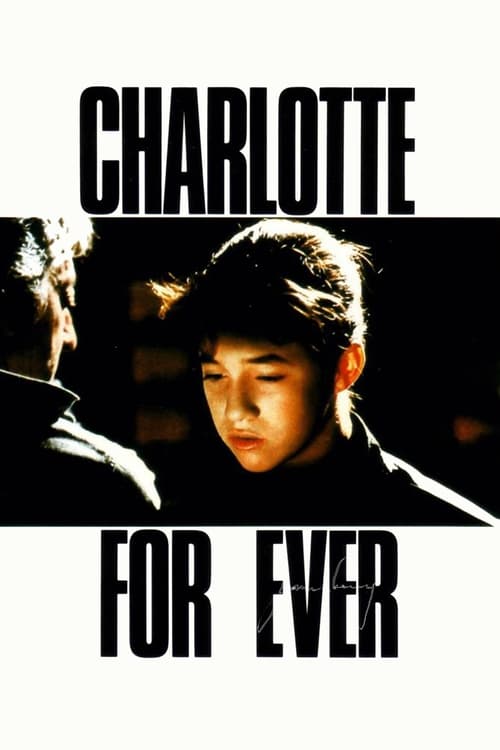
1986

1969
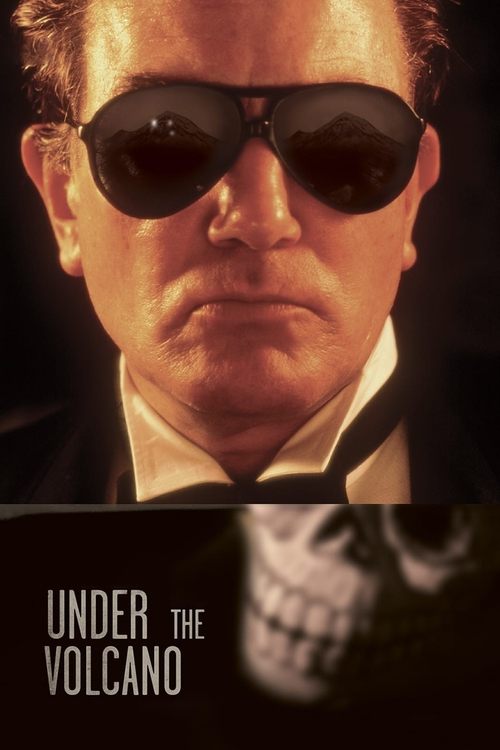
1984

1968
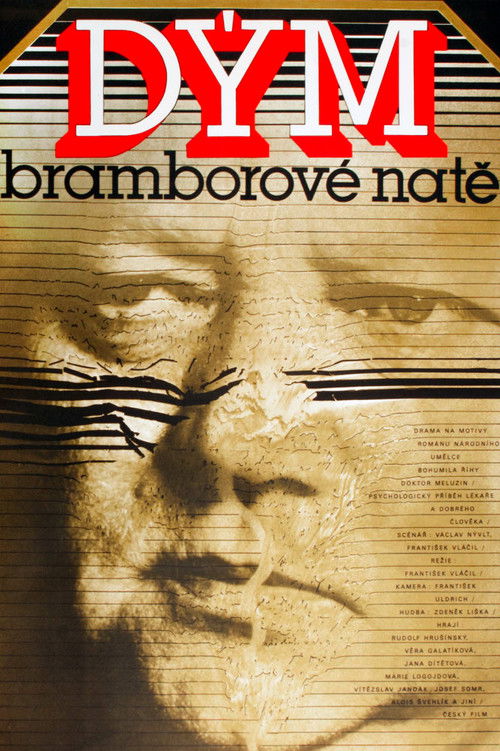
1977
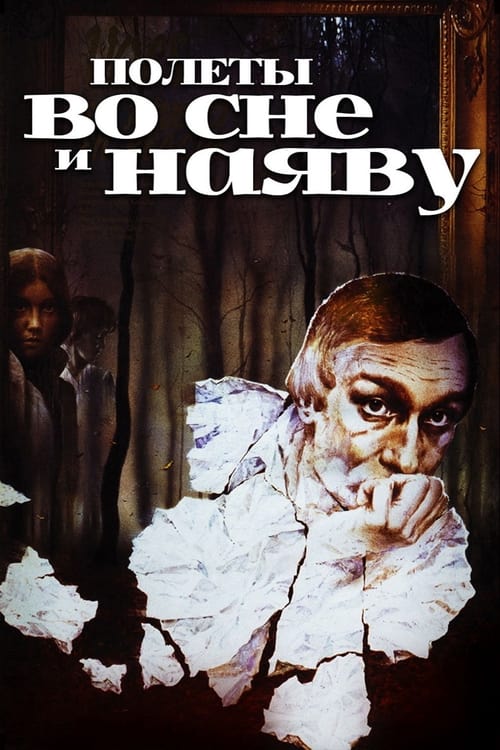
1983
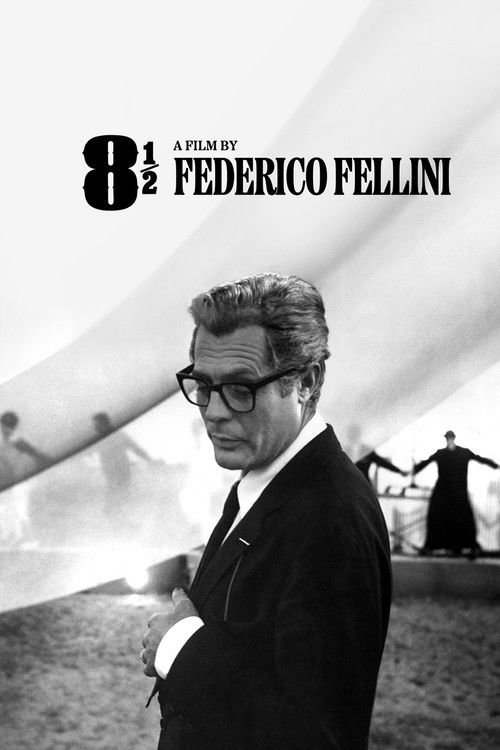
1963
No reviews yet. Be the first to share your thoughts on this movie!
Use the rating form above to leave a star rating and optional review.