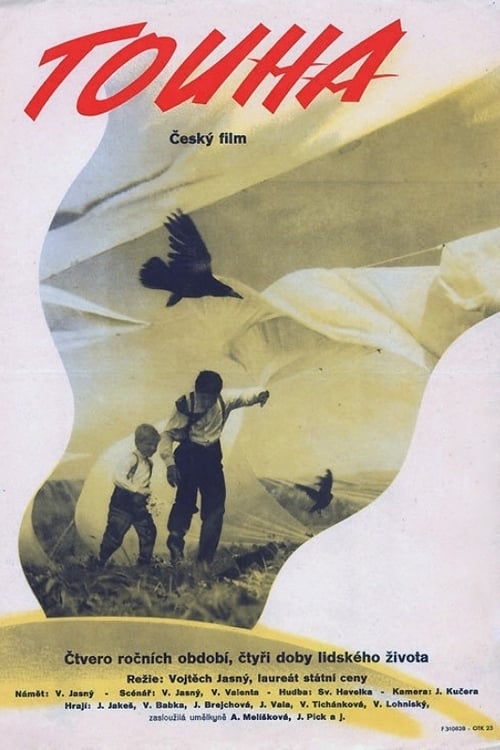
Desire
1958
No user ratings available yet
Representation score: 2.5 out of 10
Representation Score
Limited
1977
Director
František Vláčil
Runtime
94 minutes
Average Rating
No ratings yetNew Showbiz Analysis
František Vláčil’s film is a character study that emphasizes historical authenticity and psychological depth over modern characters who reflect more than one aspect of diversity. The film excels as a realistic portrayal, focusing on the inner lives of a underrepresented rural class and the conflict between individual identity and the collective social order. However, the work sticks closely to the demographic realities of its 1940s Czechoslovakian setting. This leads to a lack of racial, LGBTQ+, and disability representation, as the narrative is rooted in the homogeneous social structures of the era. Overall, the film provides a profound critique of traditional hierarchies and systemic changes, even though it does not meet contemporary standards for demographic diversity.
Category Breakdown
The film focuses on the interpersonal dynamics of a rural Czechoslovakian community after World War II. There is no indication of non-straight or non-cisgender identities or relationships involving same-sex intimacy.
The story centers around a physician's broken marriage and the lives of local women, including a pregnant girl. While female experiences are explored, the characters generally adhere to traditional 1940s domestic roles.
Set in a rural Czech village during the post-WWII era, the cast is intentionally uniform in ethnicity. The film accurately reflects the specific ethnic makeup of the region during this time.
The narrative explores the tension between village traditions and the changing authorities in the Eastern Bloc after World War II. It delves into the struggles of the peasantry and the impact of communal social realities.
The film concentrates on socioeconomic and psychological tensions rather than narratives focused on disabilities. There is no evidence of characters with disabilities playing a central role in the plot.
Present on Screen
Limited or Absent
Official Synopsis
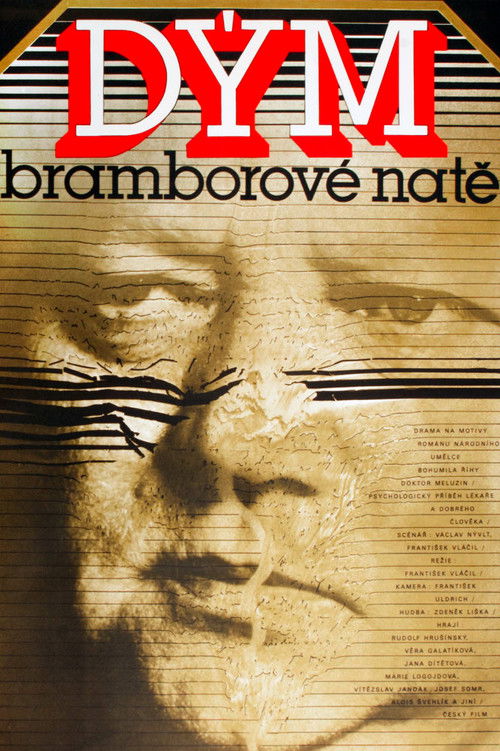
A stout middle-aged physician whose marriage has come apart establishes a practice in a small town. Gradually he's drawn into the lives of his patients—a childless couple, a pregnant girl with a stern mother, the son of a duck farmer—and each relationship reveals a bit more about him and the idyllic but insular community.
1958
1978
1984
1965
1984
1963

1991
1958
No reviews yet. Be the first to share your thoughts on this movie!
Use the rating form above to leave a star rating and optional review.