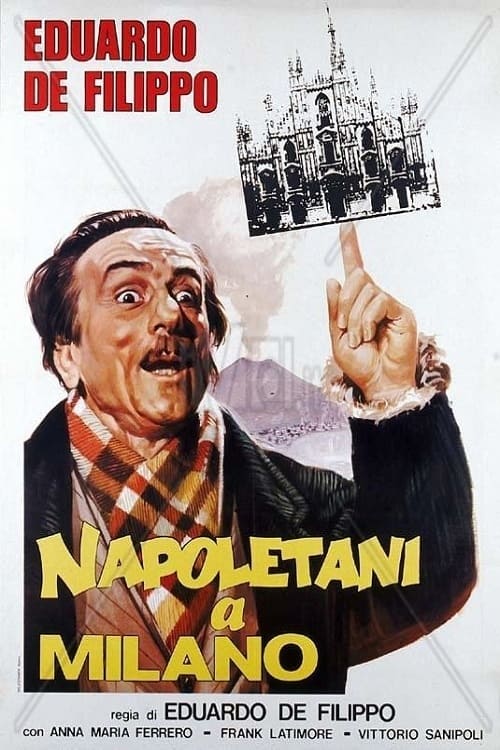
Napoletani a Milano
1953
No user ratings available yet
Diversity score: 5.6 out of 10
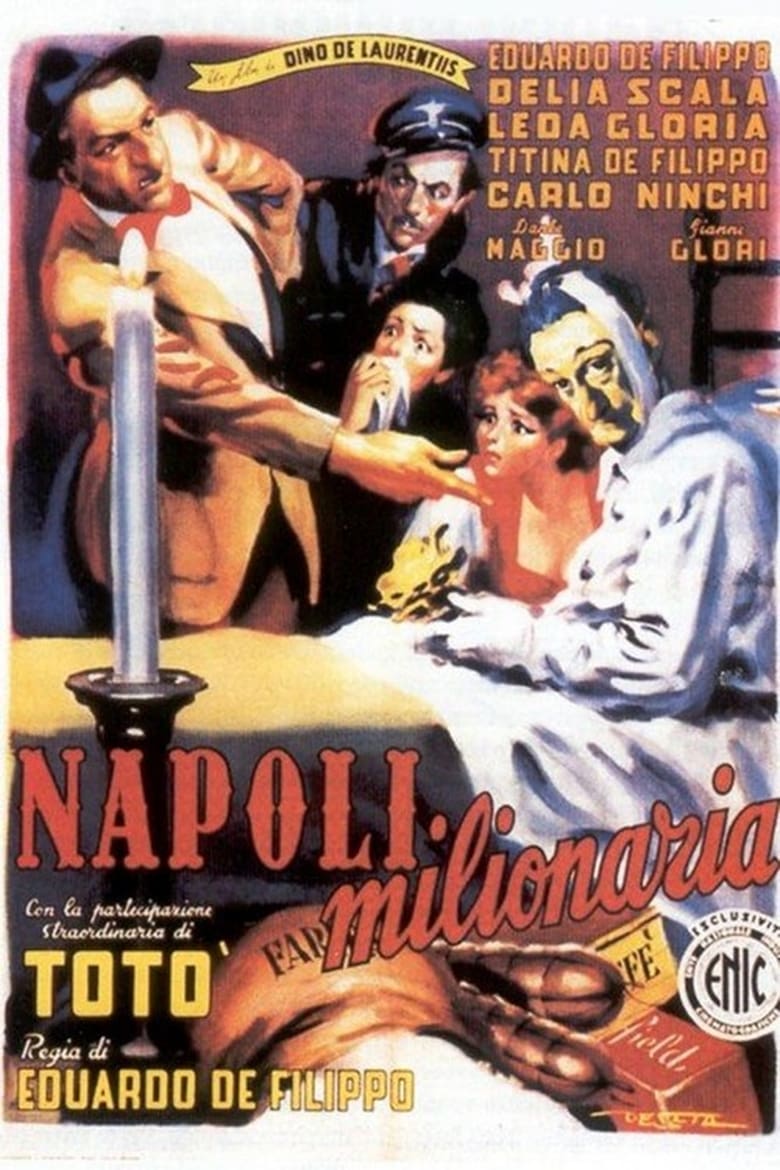
1950
Director
Eduardo De Filippo
Runtime
91 minutes
Average Rating
No ratings yetSynopsis
A combination of a satire on war and a comedy with war as the background. It tells of the ordinary people living on a Naples sidestreet, from 1940 to 1950 under the dominance of the Fascists, the Nazis and then the Allies occupation forces. Primary among the citizens is Gennaro Iovine (Eduard De Filippo)who has a penchant for innocently getting into trouble, and his friend Pasquale (Toto.) The latter is a rail-sweeper who becomes a professional stand-in...a corpse used to conceal contraband...serving jail time for those who don't care to spend the time to do the time...a substitute at a political rally when violence threatens the scheduled speaker
Overall Score
Fair
Category Breakdown
LGBTQ+ Representation
The film lacks explicit evidence of LGBTQ+ characters or narratives. The focus remains on the socio-political survival of a traditional neighborhood collective during wartime.
Gender Representation
The narrative centers on male experiences of survival and labor. Primary agency in navigating wartime occupation is attributed to male characters, reinforcing traditional masculine roles.
Racial & Ethnic Diversity
The film offers a localized study of Neapolitan identity. It provides depth to a specific regional ethnicity navigating the pressures of foreign Nazi and Allied occupation forces.
Religious & Cultural Diversity
The work excels at critiquing established power structures. It portrays political and military hierarchies as corrupting forces, favoring individual survival over rigid state dictates.
Disability Representation
There are no specific mentions of characters with physical or neurodivergent disabilities within the provided context.
Strengths
Areas for Improvement
AI Analysis
Side Street Story functions as a sophisticated satire of class and institutional corruption rather than a study of modern identity politics. It subverts the heroic wartime drama by focusing on the pragmatic, morally ambiguous survival tactics of the Neapolitan working class. The film's strength lies in its deconstruction of dominant political hierarchies. By centering on characters like Gennaro and Pasquale, it highlights how ordinary citizens navigate the dominance of Fascists, Nazis, and Allied forces. However, the film's perspective is limited by its era. The narrative architecture prioritizes male camaraderie and regional identity, offering little visibility for queer identities or diverse gender roles.
1953
1967
1954
1955
1955

2018
1992
2014

1959
1948
1962
1974
No reviews yet. Be the first to share your thoughts on this movie!
Use the rating form above to leave a star rating and optional review.