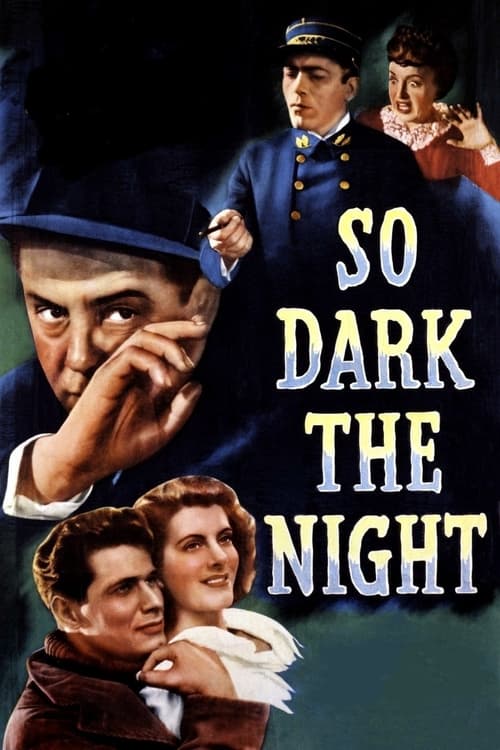
So Dark the Night
1946
No user ratings available yet
Representation score: 3.2 out of 10
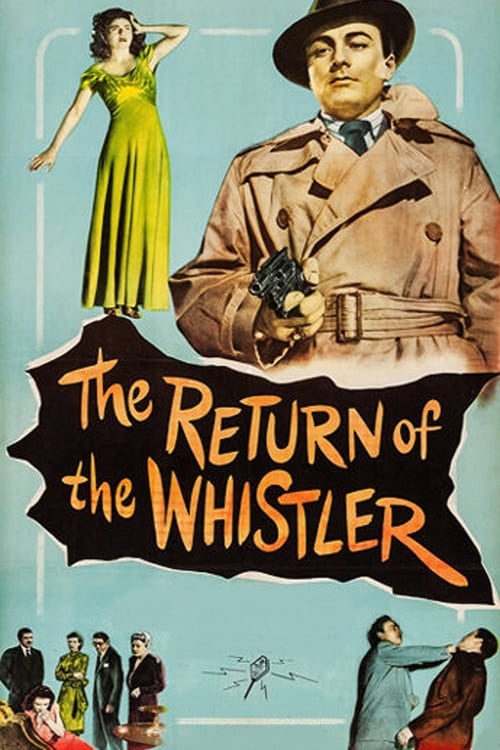
Representation Score
Minimal
1948
ApprovedDirector
D. Ross Lederman
Runtime
62 minutes
Average Rating
No ratings yetNew Showbiz Analysis
The film is a quintessential product of its era, functioning as a standard genre piece that reinforces traditional social, gender, and racial hierarchies. It relies on established cinematic norms of the late 1940s rather than challenging the status quo. Narrative ability to act is predominantly male-driven, with women often serving as catalysts for the plot.
Category Breakdown
The film does not include any characters with non-binary gender identities or same-sex relationships. It follows the assumption that everyone is straight or cisgender.
Male characters play key roles in driving the story, while female characters are mostly passive subjects, particularly as the missing woman who propels the plot forward.
The cast and setting reflect the homogeneous society of 1948, with no evidence of non-Anglo-Saxon characters in positions of influence.
The story operates within a traditional Western framework focused on justice and morality, emphasizing the restoration of social order through standard procedural methods.
The film does not feature any characters with visible or invisible disabilities, nor does it integrate characters with disabilities into the narrative with significant roles.
Present on Screen
Limited or Absent
Official Synopsis
When a woman goes missing on the eve of her wedding, her fiancee hires a detective to track her down
1946
1944
1946
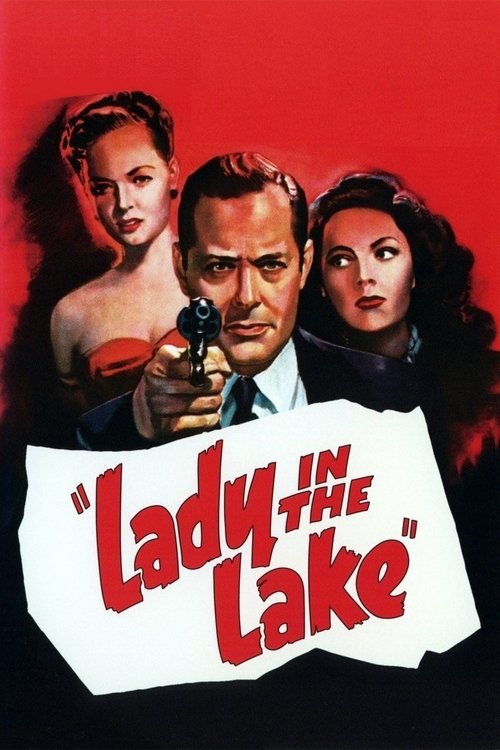
1946
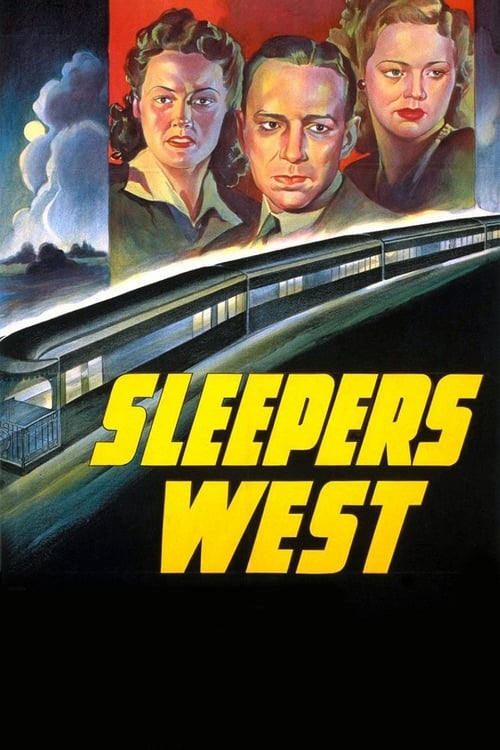
1941
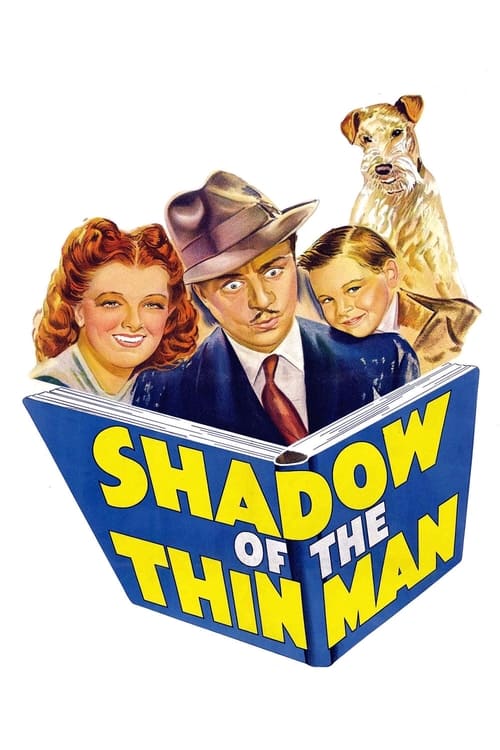
1941

1948
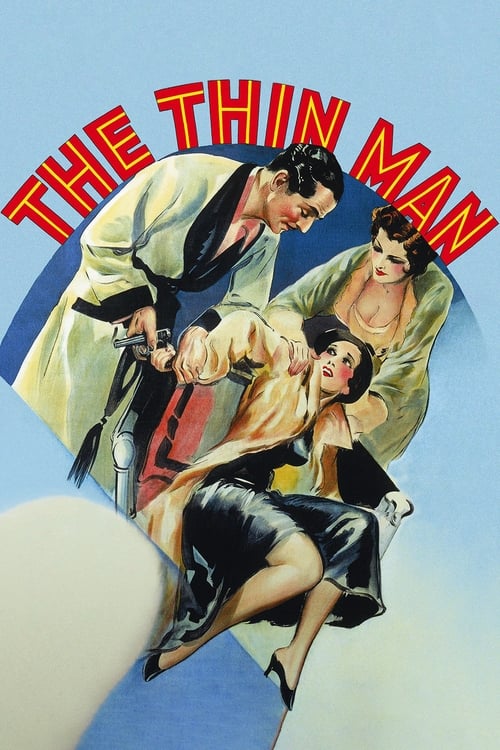
1934
No reviews yet. Be the first to share your thoughts on this movie!
Use the rating form above to leave a star rating and optional review.