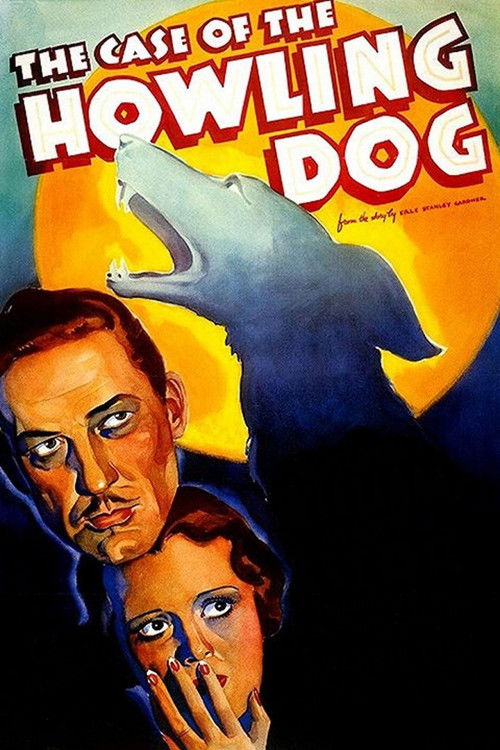
The Case of the Howling Dog
1934
No user ratings available yet
Diversity score: 1.8 out of 10

1944
Director
Maurice Tourneur
Runtime
82 minutes
Average Rating
No ratings yetSynopsis
Cecile, a young girl who goes to the offices of the Judicial Police several times in a row to complain about nightly visits to the apartment she occupies with her aunt, is not taken seriously by the police until she the day she is found murdered.
Overall Score
Limited
Category Breakdown
LGBTQ+ Representation
The film lacks evidence of non-cisnormative identities or narratives that critique heteronormativity. It appears to adhere to the traditional social structures of the mid-1940s.
Gender Representation
While the story centers on a female victim and her aunt, the female characters remain passive subjects. Agency is largely held by the male-dominated Judicial Police.
Racial & Ethnic Diversity
The film likely reflects the homogeneous social landscape of 1944 France. There is no indication of a diverse cast that disrupts the period's standard demographic norms.
Religious & Cultural Diversity
The narrative operates within a traditional framework of Western institutionalism. It focuses on the restoration of order through state authority rather than critiquing systemic oppression.
Disability Representation
The synopsis does not mention characters with visible or invisible disabilities. No specific data is available to assess this category.
Strengths
Areas for Improvement
AI Analysis
Maurice Tourneur’s crime mystery is a product of its era, functioning within the standard social hierarchies of 1940s France. The film relies on traditional genre tropes rather than progressive narrative architectures. The story centers on a female victim, yet she and her aunt lack agency, serving primarily as subjects of a crime. The investigation is driven by the male-dominated judicial system, reinforcing period-specific gender roles. Ultimately, the film lacks intentionality regarding race, identity, or institutional critique. It presents a homogeneous view of society that aligns with the cinematic conventions of the mid-20th century.
1934
1934
1941
1956
1935
1940

1945
1944
1940
1943
1932
1948
No reviews yet. Be the first to share your thoughts on this movie!
Use the rating form above to leave a star rating and optional review.