Elephant Boy
1937
No user ratings available yet
Representation score: 1.9 out of 10
Representation Score
Minimal
1950
NRDirector
Victor Saville
Runtime
113 minutes
Average Rating
No ratings yetNew Showbiz Analysis
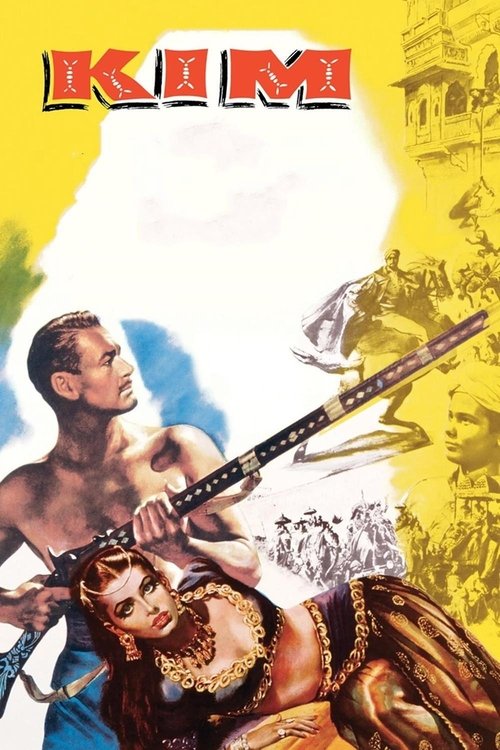
Kim (1950) serves as a cinematic reflection of the British Raj, prioritizing imperial stability over progressive representation. While the film showcases a rich visual tapestry of the Indian subcontinent, its themes remain anchored in upholding colonial hierarchies. The production highlights a wide range of ethnic and religious identities, including Sikh and Hindu communities. However, these elements primarily enhance the setting for the British protagonist rather than giving local characters significant influence. Overall, the film's adherence to traditional gender roles and a pro-imperialist viewpoint limits its social scope, reflecting the era's geopolitical and social hierarchies without challenging them.
Category Breakdown
The film does not include any LGBTQ+ characters or stories. It sticks to traditional views of gender and orientation without exploring non-straight or non-cisgender identities.
The story focuses mainly on male spies and soldiers, making it very male-centric. Female characters are less prominent and play supporting roles within a patriarchal espionage framework.
The film features a diverse Indian cast showing various ethnic and religious backgrounds. However, the perspective is still Anglo-centric, with non-white characters often serving the needs of the British empire.
The film supports the British imperial narrative by emphasizing loyalty to the Crown and Western intelligence structures. It reinforces the legitimacy of colonial administration.
There are no meaningful depictions of physical or neurodivergent disabilities. Characters are defined by their usefulness to the plot or their socioeconomic status rather than through the lens of disability.
Present on Screen
Limited or Absent
Official Synopsis
During the British Raj, the orphan of a British soldier poses as a Hindu and is torn between his loyalty to a Buddhist mystic and aiding the English secret service.
1937

1939

1963
1959
1960

1939
1952
1959
No reviews yet. Be the first to share your thoughts on this movie!
Use the rating form above to leave a star rating and optional review.