The General
1926
No user ratings available yet
Representation score: 0.4 out of 10

Representation Score
Minimal
1939
NRDirector
George Stevens
Runtime
117 minutes
Average Rating
No ratings yetNew Showbiz Analysis
Gunga Din serves as a historical artifact of the colonial adventure genre, reinforcing the imperialist hierarchies of the late 19th century. The film's structure emphasizes British military authority and camaraderie, framing the local population as an exoticized 'other' to enhance the protagonists' heroism. The narrative relies on a rigid social order that supports the 'civilizing' mission of the West. By presenting the British Empire as a stabilizing force against a chaotic local cult, the film avoids moral relativism and reinforces colonial legitimacy. Ultimately, the film lacks complexity in representing diverse identities. It uses racial and gendered stereotypes to bolster its central male leads, maintaining a highly stratified social structure reflecting the era's status quo.
Category Breakdown
The film focuses on a masculine-centric military brotherhood and does not include any non-cisgender identities or subversions of traditional romantic structures.
The narrative is dominated by male characters, centered around soldiers in a barracks setting. Women appear mainly as romantic interests or figures needing rescue and have little control over their own lives.
Sabu's character provides visibility but is rooted in colonial stereotypes of subservience. The local population is portrayed through a lens of exoticism and subordination.
The film celebrates Western institutional strength and British imperial authority. It presents a moral binary where the British represent order and the local Thuggee cult represents chaos.
There are no significant depictions of visible or invisible disabilities among the main characters or the overall narrative structure.
Present on Screen
Limited or Absent
Official Synopsis
British army sergeants Ballantine, Cutter and MacChesney serve in India during the 1880s, along with their native water-bearer, Gunga Din. While completing a dangerous telegraph-repair mission, they unearth evidence of the suppressed Thuggee cult. When Gunga Din tells the sergeants about a secret temple made of gold, the fortune-hunting Cutter is captured by the Thuggees, and it's up to his friends to rescue him.
1926
1961
1985
1932

1986
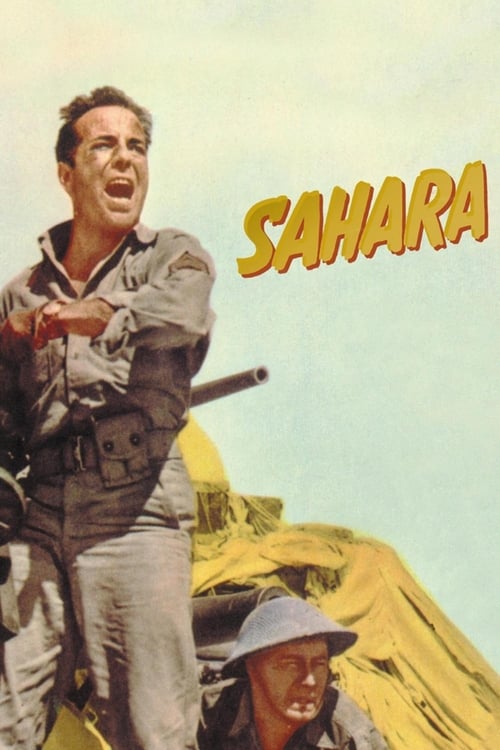
1943
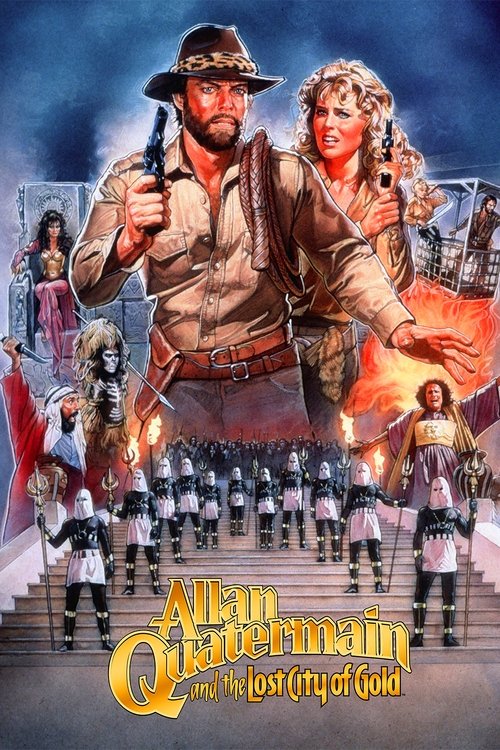
1986
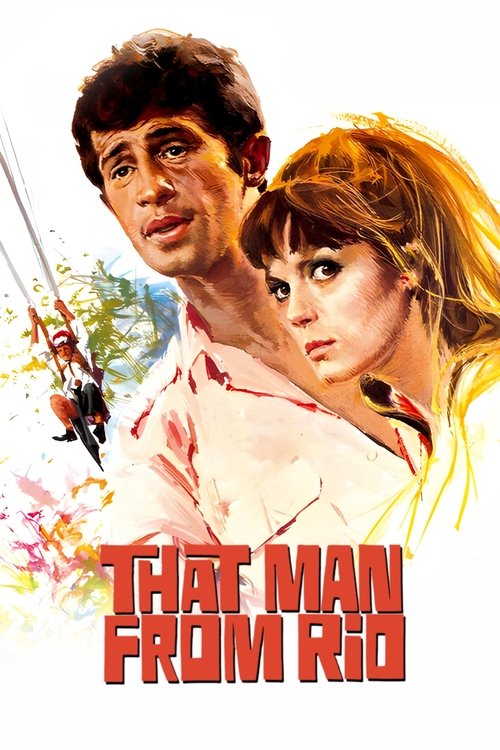
1964
No reviews yet. Be the first to share your thoughts on this movie!
Use the rating form above to leave a star rating and optional review.