North West Frontier
1959
No user ratings available yet
Representation score: 1.4 out of 10
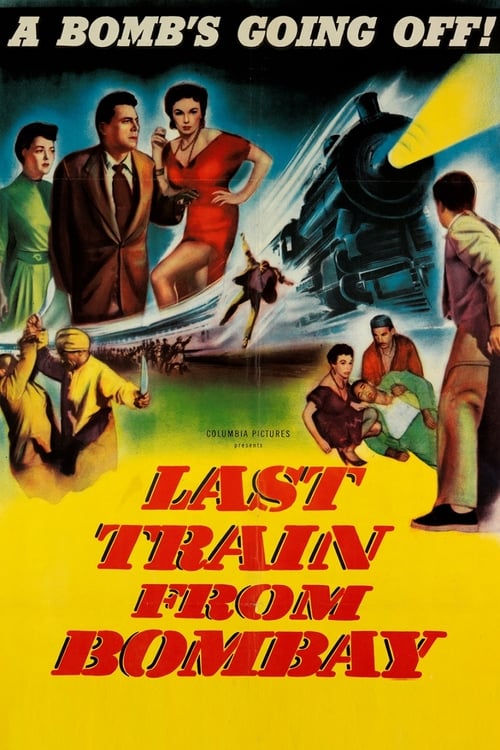
Representation Score
Limited
1952
ApprovedDirector
Fred F. Sears
Runtime
72 minutes
Average Rating
No ratings yetNew Showbiz Analysis
Last Train from Bombay is a conventional mid-century adventure that relies on established genre clichés. While it moves beyond a purely Anglo-Saxon setting by featuring an Indian prince, the storytelling remains anchored in a Western-centric worldview. The film's structure prioritizes male-driven action and diplomatic intervention. This approach tends to reinforce existing social hierarchies and traditional gender roles rather than exploring more complex or diverse human experiences. Ultimately, the film functions as a product of its era, providing international flavor without fundamentally challenging the colonialist frameworks or patriarchal norms prevalent in 1950s cinema.
Category Breakdown
The film does not include any characters with non-binary gender identities or same-sex relationships. It follows the assumption that everyone is straight and cisgender.
The story focuses on male characters taking charge, highlighting an American diplomat and an Indian prince. This emphasizes traditional masculine leadership and hierarchies.
While the film features an Indian prince and has an international setting, the American protagonist remains the main focus. This often positions Western perspectives as the dominant viewpoint.
The story uses clichés of Western intervention to prevent war. It reinforces traditional institutional stability rather than questioning Western dominance or religious structures.
There are no characters with visible or invisible disabilities in the narrative.
Present on Screen
Limited or Absent
Official Synopsis
An American diplomat risks his life to save an Indian prince from an assassination plot designed to ignite a war.
1959
1959
1957
1959
1952

1939

1928

1950
No reviews yet. Be the first to share your thoughts on this movie!
Use the rating form above to leave a star rating and optional review.