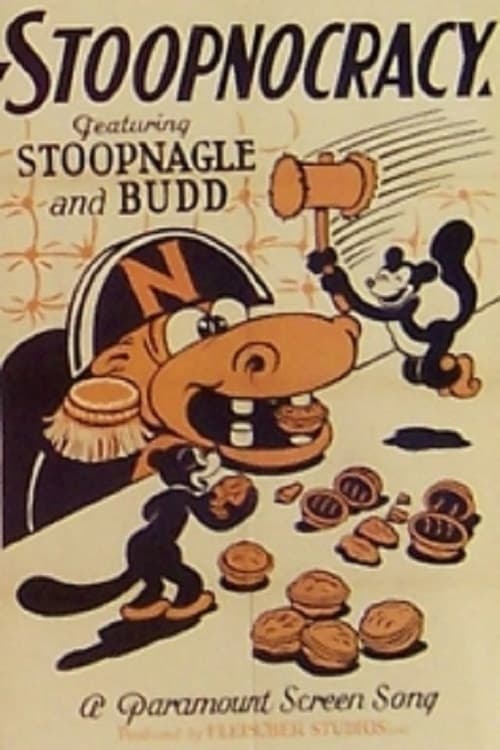
Stoopnocracy
1933
No user ratings available yet
Representation score: 1.0 out of 10
Representation Score
Limited
1932
Director
Dave Fleischer
Runtime
6 minutes
Average Rating
No ratings yetNew Showbiz Analysis
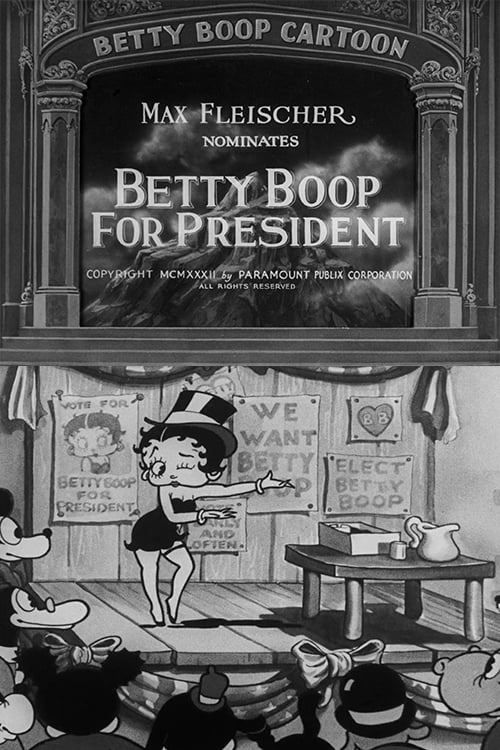
This animated short stands out by placing a woman in a position of supreme political authority, challenging the traditional leadership hierarchies of the early 1930s. However, the film remains limited in its representation of diverse identities, including race, ethnicity, LGBTQ+, and disability. While the surreal mockery of political institutions is engaging, the film adheres closely to the conventional social frameworks of its time.
Category Breakdown
The short does not include any LGBTQ+ characters or identities that don't align with traditional gender roles. The story focuses on the political campaign's surreal comedy.
Betty Boop's candidacy challenges the passive roles typically assigned to women in leadership positions during the 1930s. By placing her in a powerful political role, the film grants her significant influence and control.
The film lacks significant racial or ethnic diversity. The urban setting follows the homogeneous casting practices common in early 1930s animation.
The film serves as escapist entertainment, parodying political processes through absurdity. It lightly critiques Western political structures using surrealism.
There are no depictions of physical or neurodivergent disabilities. Disability is not used as a narrative device in the film.
Present on Screen
Limited or Absent
Official Synopsis
Betty's campaign tries to appeal to everyone. Real candidates are parodied, but campaign promises are a bit bizarre.
1933
1933
1932
1932
1933
1932
1933

1934
No reviews yet. Be the first to share your thoughts on this movie!
Use the rating form above to leave a star rating and optional review.