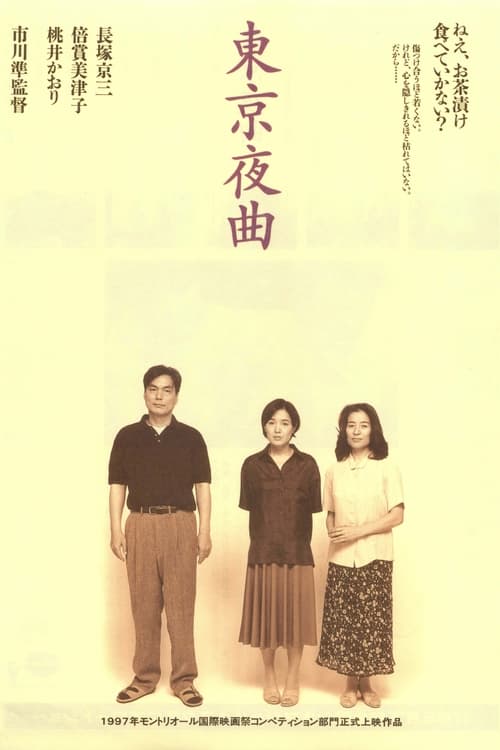
Tokyo Lullaby
1997
No user ratings available yet
Representation score: 5.0 out of 10
Representation Score
Excellent
2017
Director
Tujiko Noriko, Joji Koyama
Runtime
84 minutes
Average Rating
No ratings yetNew Showbiz Analysis
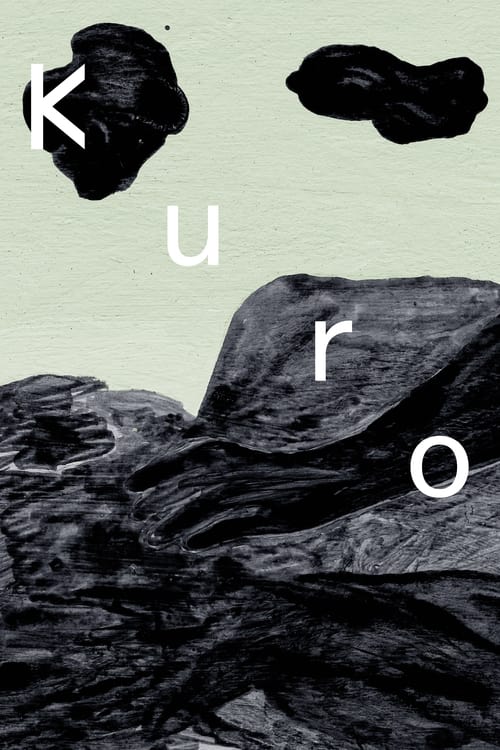
Kuro presents a layered exploration of identity by intertwining race, disability, and transnational themes. It avoids Western-centric homogeneity by featuring a Japanese protagonist in Paris, fostering a rich, cross-cultural dialogue. The film successfully portrays disability as a lived experience rather than a plot device. By highlighting Romi’s active role and multifaceted caregiving, it challenges traditional gender roles and offers a nuanced look at domesticity. While Kuro excels in character-driven storytelling, it remains a niche independent drama. Its strength lies in its rejection of conventional narrative structures, favoring a mythic, psychological approach.
Category Breakdown
The film focuses on a domestic partnership between Romi and Milou, emphasizing their shared history and caregiving roles rather than typical romantic storylines.
Romi is the driving force behind the emotional storyline, balancing professional and domestic responsibilities. Her active role challenges the stereotype of passive female protagonists.
The story features a Japanese protagonist living in Paris, exploring the complexities of being part of a diaspora community while navigating Western culture.
The narrative incorporates personal histories and myths to emphasize individual truths. It disrupts stable narratives through subjective morality and psychological complexity.
Milou’s paraplegia is woven into the fabric of daily life in the film. He is a participant in the shared narrative rather than just an inspirational figure.
Present on Screen
Limited or Absent
Official Synopsis
Romi, a Japanese woman living in Paris, works in a karaoke bar. At home in the suburbs, she tends to her paraplegic lover Milou. To pass the time she recounts to him a story alluding to a period they once spent together in Japan. Soon, the mystery of a man named Mr. Ono begins to unsettle everything. Weaving together personal history, anecdotes and myths, the story takes a dark turn.
1997

1995
2017

2018

2012
2018

2017
2009
No reviews yet. Be the first to share your thoughts on this movie!
Use the rating form above to leave a star rating and optional review.