
REC
2011
No user ratings available yet
Representation score: 5.1 out of 10
Representation Score
Good
2009
Director
Edmund Yeo
Runtime
25 minutes
Average Rating
No ratings yetNew Showbiz Analysis
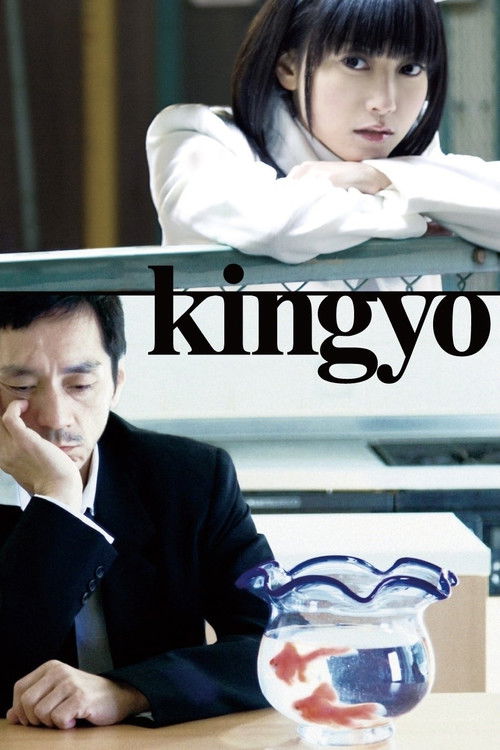
Kingyo is a sophisticated independent film that uses split-screen techniques to explore fragmented identities. By breaking down traditional cinematic continuity, the film reflects the internal emotional states of its characters. The film successfully challenges traditional hierarchies and avoids Western-centric storytelling. It moves away from simplistic moralizing, opting for a complex examination of how past trauma influences contemporary interactions. However, the film's use of non-linear memory and experimental techniques may leave specific identity markers ambiguous, making some aspects of representation open to interpretation.
Category Breakdown
The film explores a painful love triangle that hints at a departure from typical heterosexual relationships. Although specific identities are not clearly defined, the emotional complexity suggests a nuanced look at intimacy.
The movie challenges traditional power dynamics by focusing on a shared, vulnerable history between a professor and a young woman. The female character serves as a guide, but her role is complicated by the French maid aesthetic.
Set in Akihabara, the film engages with East Asian urban life through a localized perspective. It avoids a Western viewpoint by emphasizing a non-Anglo-centric view of modern Japanese life.
The work prioritizes individual psychological truth and emotional relativism over religious absolutes. It offers a secular, postmodern exploration of human connections within the fluid nature of memory and urban wandering.
There is no explicit depiction of physical or neurodivergent disabilities within the narrative.
Present on Screen
Limited or Absent
Official Synopsis
A university professor decides to go for a tour in Akihabara, guided by a young woman dressed up like a French maid. As they both walk through the streets of modern Tokyo, the man and the young woman gradually speak of a past they both share, and ultimately a painful love triangle that continues to haunt them. A poetic rumination in love, memories and loss told almost entirely with split screens.
2011

1998
2001

2017

2010

2000
1997
2003
No reviews yet. Be the first to share your thoughts on this movie!
Use the rating form above to leave a star rating and optional review.