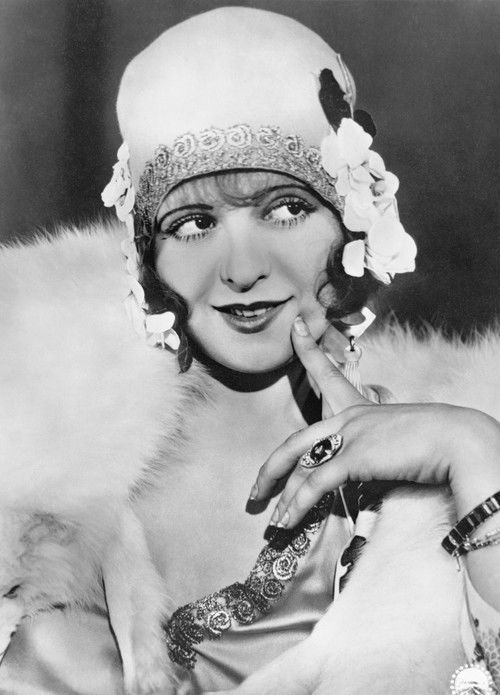
Screen Snapshots 1860: Howdy, Podner
1949
No user ratings available yet
Diversity score: 2.6 out of 10

1948
ApprovedRuntime
9 minutes
Average Rating
No ratings yetSynopsis
This short Traveltalk visit to Chicago looks at some hotels known for their evening entertainment and for the rich and famous people who come to their dining rooms. Featured are the Walnut Room of the Bismarck Hotel, the Ambassador Hotel's Pump Room, and the boardwalk at the Edgewater Beach Hotel.
Overall Score
Limited
Category Breakdown
LGBTQ+ Representation
The film focuses on high-end hospitality and dining environments. There is no evidence of LGBTQ+ characters or narratives that challenge heteronormativity.
Gender Representation
Women appear primarily as aesthetic components of the luxury scenery or as patrons of high-society dining. The film maintains traditional social roles without subverting gender hierarchies.
Racial & Ethnic Diversity
The focus on exclusive venues like the Bismarck and Ambassador Hotels suggests a presentation of 1948 social stratification. The film likely lacks meaningful racial integration or agency for people of color.
Religious & Cultural Diversity
This production celebrates mid-century American capitalism and post-war prosperity. It promotes Western consumerism and the prestige of established social institutions rather than offering any institutional critique.
Disability Representation
There is no evidence of subjects with visible or invisible disabilities. The film lacks any portrayal of disability or characters with such identities.
Strengths
Areas for Improvement
AI Analysis
Night Life in Chicago serves as a promotional travelogue that prioritizes the glamour of mid-century luxury over social diversity. The film functions as a historical snapshot of post-war prosperity, focusing on the 'rich and famous' within exclusive hotel environments. Because the content centers on high-society dining and established social institutions, it reinforces the era's prevailing hierarchies. The presentation is characterized by racial homogeneity and traditional gender roles, offering little to no representation for marginalized groups. Ultimately, the film is a celebration of Western consumerism. It lacks any narrative depth regarding LGBTQ+ identities, disability, or cultural relativism, adhering strictly to the commercial standards of 1948.
1949
1950
1950
1931
1946

1909
1951
1934
1949
1950
1952

1943
No reviews yet. Be the first to share your thoughts on this movie!
Use the rating form above to leave a star rating and optional review.