You are here:

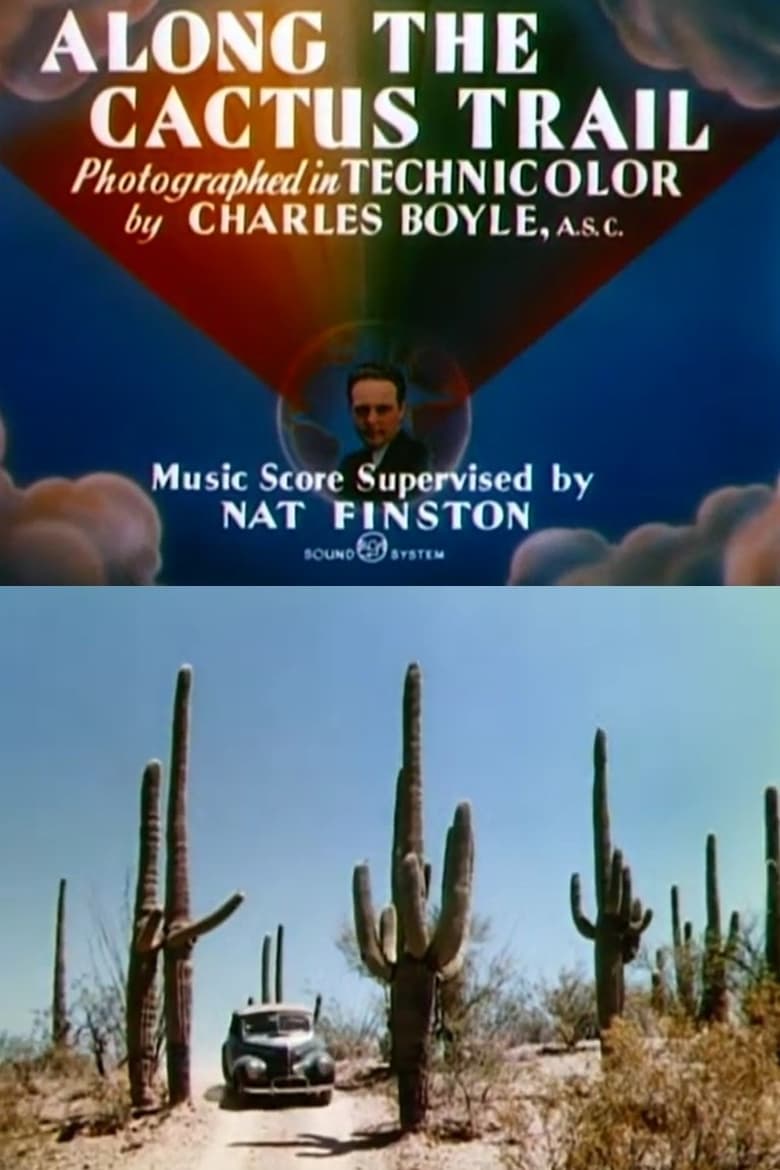
Along the Cactus Trail

Along the Cactus Trail

Representation Score

0.6/10

Minimal

1944

Approved

Director

James A. FitzPatrick

Runtime

9 minutes

Average Rating

No ratings yet

New Showbiz Analysis

This 1944 travelogue serves primarily as a scenic survey of the American Southwest, moving from Riverside to Phoenix. Its purpose is observational tourism, celebrating landmarks like Camelback Mountain and the Mission Inn rather than exploring human social dynamics. The film adheres to the conventional documentary standards of its era. It prioritizes the preservation of established institutions and regional tourism, reinforcing existing social hierarchies rather than challenging them. Since the work focuses on topographical and architectural subjects, it lacks the character-driven framework necessary to represent diverse identities, including LGBTQ+ individuals or people with disabilities.

Watch this, not that →

Category Breakdown

Does Along the Cactus Trail have LGBTQ+ representation?

Minimal

The film does not include any LGBTQ+ characters or stories. It focuses on landmarks and lacks the narrative structure needed to explore queer identity.

How does Along the Cactus Trail portray gender?

Limited

The emphasis is on architecture and natural landmarks. Weddings at the Chapel of St. Francis suggest traditional domesticity, but there is no evidence of women taking a leading role in the story.

How racially and ethnically diverse is Along the Cactus Trail?

Limited

The documentary highlights Western landmarks and colonial-era architecture. This reinforces a traditional Anglo-centric view of expansion without focusing on diverse racial perspectives.

How does Along the Cactus Trail represent religion and culture?

Limited

The film celebrates regional heritage and institutions like the Mission Inn. This promotes a traditionalist view of Western culture and reinforces existing social stability.

Does Along the Cactus Trail include disability representation?

Minimal

There is no evidence of characters or narratives addressing physical or neurodivergent experiences. The content is strictly limited to geography and architecture.

Present on Screen

  • Provides a historical look at mid-century regional tourism and Southwestern landmarks.

Limited or Absent

  • Lacks representation of diverse racial, gender, or LGBTQ+ identities.
  • Reinforces a traditional, Anglo-centric view of Western American history and expansion.

Official Synopsis

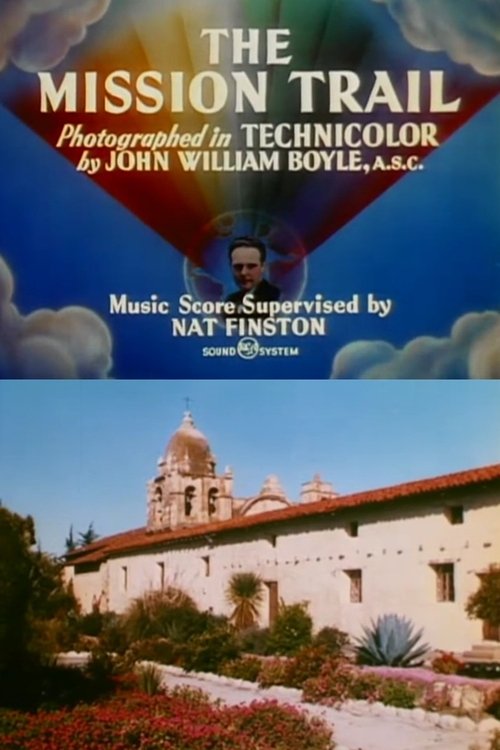
The drive from Riverside, California to Phoenix, Arizona is affectionately known as the Cactus Trail. Starting in Riverside, sights of note include: the Mission Inn in Riverside whose unique style was the brainchild of Frank Miller; the Chapel of St. Francis in Riverside, which because of its dedication to aviation is the site of many weddings associated with aviators; the Camelback Mountain outside of Phoenix, so named for its shape.

How are these scores produced? →

Where to Watch

Rate this Movie

No rating selected
Use arrow keys to select a rating from 1 to 5 stars
Optional text review, maximum 2000 characters
Tip: Wrap spoilers with ||double pipes|| to hide them
0/2000 characters
You must be signed in to submit a rating

Reviews

No reviews yet. Be the first to share your thoughts on this movie!

Use the rating form above to leave a star rating and optional review.