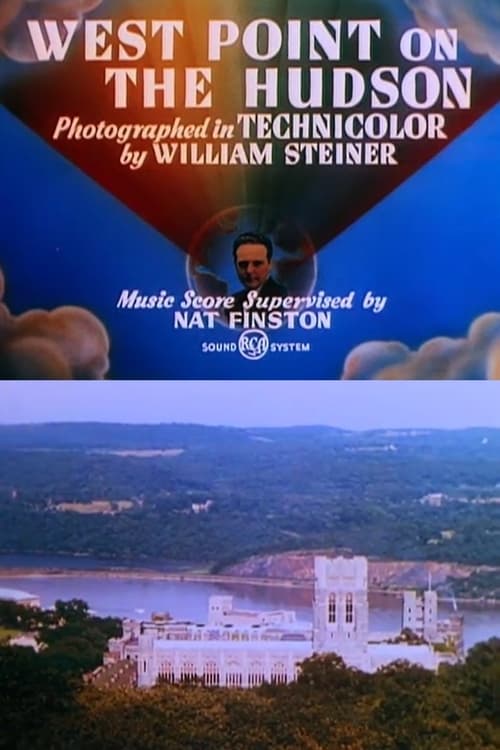
West Point on the Hudson
1942
No user ratings available yet
No diversity score available
No Poster Available
1950
ApprovedRuntime
9 minutes
Average Rating
No ratings yetSynopsis
This Traveltalks short visits cities and towns along the Thames River. It begins in London, with views of Cleopatra's Needle and the Tower Bridge. We then visit the Trout Inn at Oxford, a favorite gathering place for students at the university. After a short look at Eton, it's off to Henley-on-Thames and the world-famous regatta.
Overall Score
Minimal
Category Breakdown
LGBTQ+ Representation
The film functions as a traditional travelogue focused on architectural landmarks and geographic vistas. It contains no characters or narratives addressing sexual orientation or non-cisnormative identities.
Gender Representation
The documentary reinforces conventional 1950s social hierarchies. While it depicts social spaces like the Trout Inn, it lacks individual character agency or any subversion of gender roles.
Racial & Ethnic Diversity
The film depicts a largely homogeneous social landscape centered on Anglo-Saxon cultural landmarks. There is no visible evidence of racial blending or diverse casting throughout the footage.
Religious & Cultural Diversity
The narrative celebrates Western institutional stability and British historical continuity. It reinforces traditional social rituals and monuments rather than challenging established national identities.
Disability Representation
The film lacks character-driven narratives, focusing instead on scenery and landmarks. There is no representation of physical or neurodivergent identities within the social fabric depicted.
Strengths
Areas for Improvement
AI Analysis
Life on the Thames is a mid-century travelogue that prioritizes topographical documentation over human narrative. It serves as a visual record of British landmarks, such as Tower Bridge and the Henley Regatta, rather than a study of people. The film reflects the social constraints of its era, presenting a homogeneous view of British life. It emphasizes historical continuity and institutional stability, offering little to no exploration of identity or social disruption. Because the focus remains strictly on the physical landscape and established traditions, the work lacks representation of diverse identities, gender agency, or varied cultural backgrounds.
1942
1950
1952
1950
1940
1946
1948
1953

1943

1943
1937
1957
No reviews yet. Be the first to share your thoughts on this movie!
Use the rating form above to leave a star rating and optional review.