
Black Rain
1989
No user ratings available yet
Diversity score: 6.8 out of 10
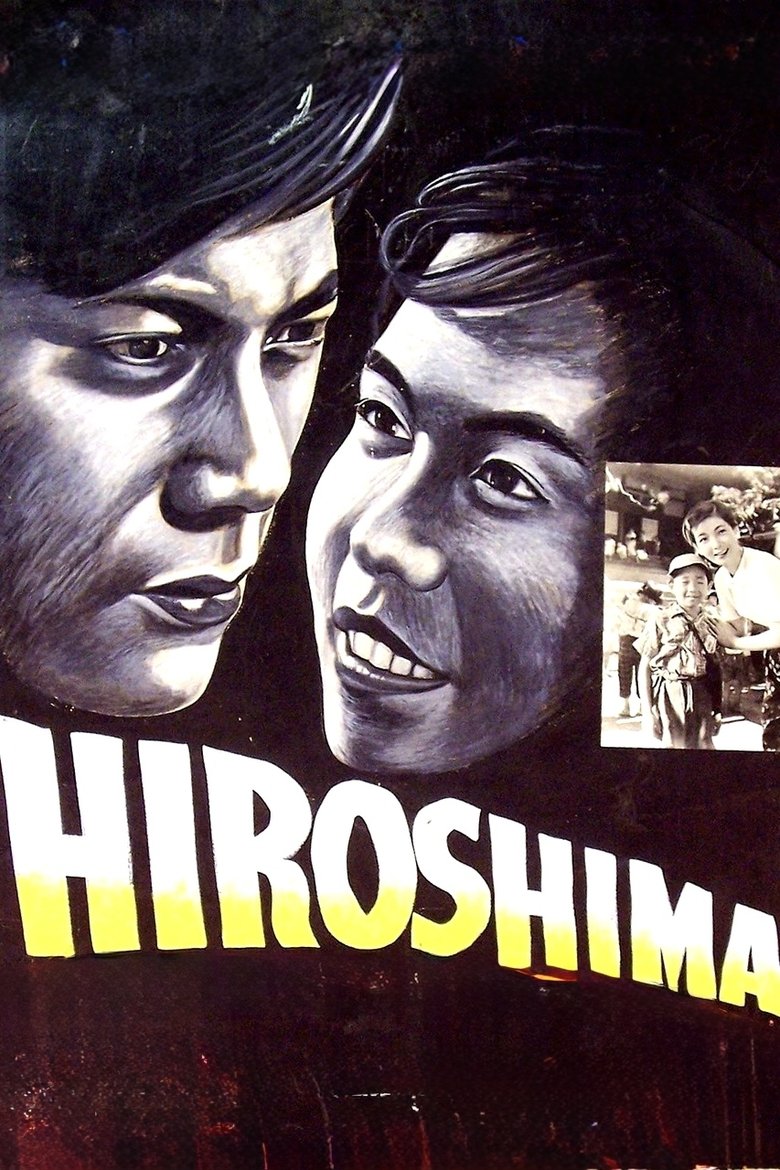
1953
TV-PGDirector
Hideo Sekigawa
Runtime
105 minutes
Average Rating
No ratings yetSynopsis
Historical fiction about the aftermath of the atomic bombing of Hiroshima, Japan, on 6 August 1945, and its effects on various civilians, especially children, of that city.
Overall Score
Good
Category Breakdown
LGBTQ+ Representation
The film lacks identifiable LGBTQ+ characters or non-heteronormative relationship dynamics. The narrative focuses strictly on civilian survival within the traditional social structures of the era.
Gender Representation
Women are depicted as central figures of resilience rather than passive victims. The film highlights their agency as they navigate the psychological and physical wreckage left by the collapse of patriarchal family units.
Racial & Ethnic Diversity
While the cast is ethnically homogeneous, the film offers a profound critique of Western military intervention. It centers the Japanese civilian experience to challenge the 'victor's narrative' of mid-century cinema.
Religious & Cultural Diversity
The film presents a sophisticated critique of Western institutional power and state-sponsored technology. It portrays the destruction of social order as a consequence of external aggression rather than individual moral failure.
Disability Representation
The narrative provides an unflinching look at radiation sickness and physical deformities. It treats these disabilities as an inescapable reality and a primary driver of the plot's tension.
Strengths
Areas for Improvement
AI Analysis
Hideo Sekigawa’s *Hiroshima* is a visceral exploration of civilian trauma that shifts the focus from military strategy to the lived experience of survivors. It succeeds by centering the *hibakusha* and using their specific cultural identity to critique global power dynamics and the indiscriminate nature of modern warfare. The film excels in its empathetic portrayal of physical and psychological disabilities, treating radiation sickness with dignity rather than sentimentality. It also provides a strong critique of Western hegemony by prioritizing the localized, human cost of geopolitical aggression. However, the film is limited by its lack of LGBTQ+ representation and its ethnically homogeneous cast. While its thematic depth is significant, the narrative remains rooted in the traditional social structures of 1945 Japan.
1989

1973
1989

1948

1965

1975

1954
1944
1999
1973

1943
1959
No reviews yet. Be the first to share your thoughts on this movie!
Use the rating form above to leave a star rating and optional review.