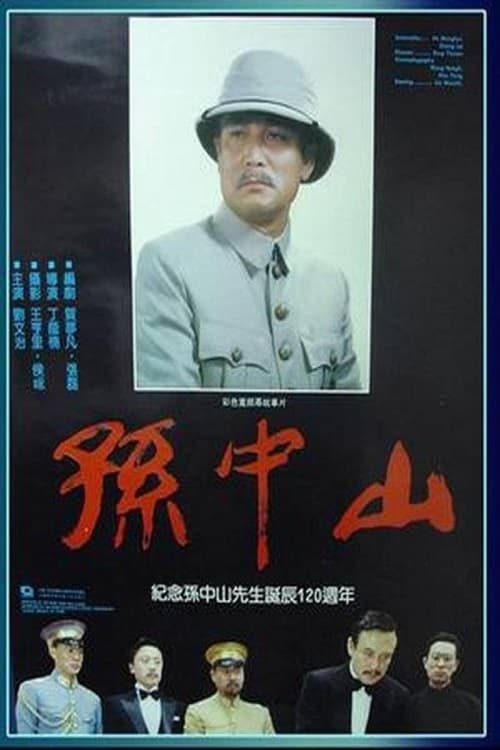
Dr. Sun Yat-sen
1986
No user ratings available yet
Representation score: 3.7 out of 10
Representation Score
Limited
1999
Director
Chen Guoxing
Runtime
111 minutes
Average Rating
No ratings yetNew Showbiz Analysis
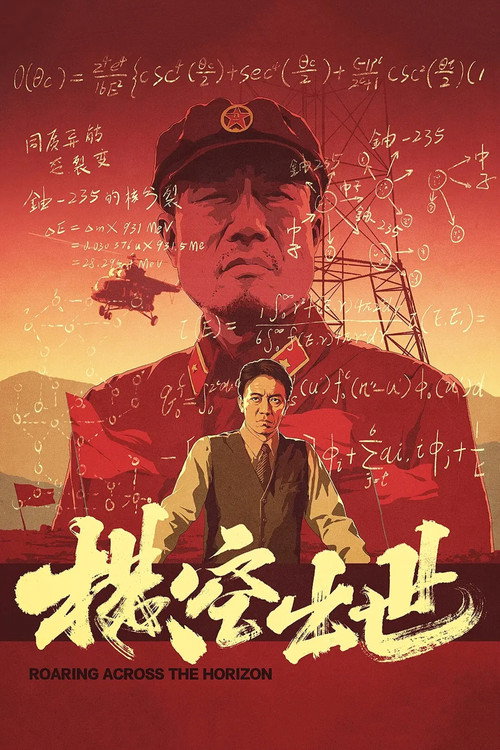
Roaring Across the Horizon is a traditional historical drama that prioritizes national unity and state-driven progress. The narrative structure emphasizes collective heroism and duty, focusing on the mobilization of scientific and military resources to achieve a common goal. Since the film centers on institutional legitimacy and centralized authority, it does not delve into individual identity politics. Instead, it adheres to established social hierarchies, highlighting the significance of disciplined, organized labor in overcoming adversity. Ultimately, the film serves as a tool for reinforcing nationalistic values rather than exploring diverse or alternative perspectives.
Category Breakdown
The film focuses on military and state service within traditional social structures. It lacks any representation of non-straight or non-cisgender identities and does not challenge assumptions about straight relationships.
Men hold most of the leadership positions in the military and science, while women are often confined to domestic or supportive roles, reinforcing traditional gender roles.
The cast is ethnically uniform, reflecting the specific historical and geographic context of post-Korean War China. The narrative does not blend different cultural backgrounds to disrupt this demographic.
The story promotes patriotism and collective effort toward state-sanctioned goals. It emphasizes central authority and nationalist ideals without exploring secular or anti-institutional viewpoints.
Natural disasters and harsh conditions serve as external obstacles to the mission. There is no nuanced portrayal of neurodivergence or physical disabilities.
Present on Screen
Limited or Absent
Official Synopsis
After the Korean War, General Feng Shi leads a heroic army into the Gobi Desert on a mission from the Central Committee. At the same time, scientist Lu Guangda returns from the U.S. and says goodbye to his wife. As talented individuals from scientific institutions join the effort, they face harsh conditions—scarce resources, outdated technology, and frequent natural disasters—but work together toward a common goal.
1986
1989
2013

1989
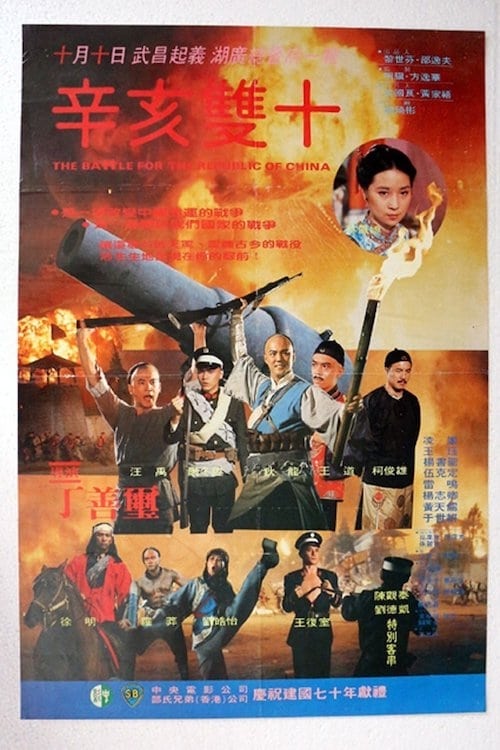
1981

1989
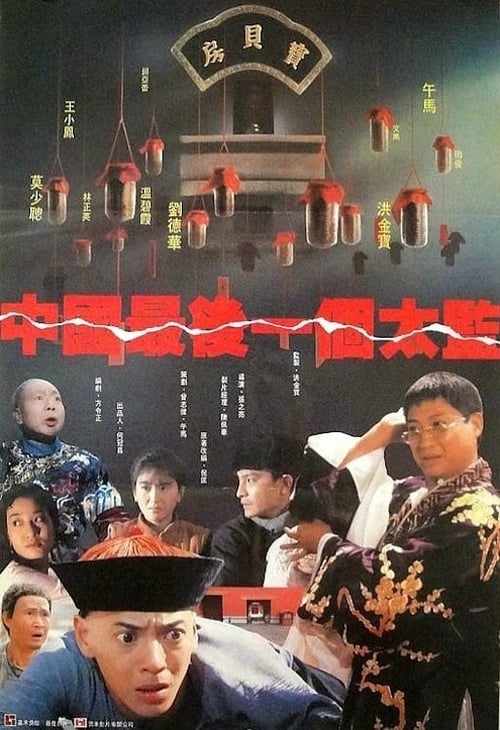
1987

2013
No reviews yet. Be the first to share your thoughts on this movie!
Use the rating form above to leave a star rating and optional review.