Mush and Milk
1933
No user ratings available yet
Representation score: 3.3 out of 10
Representation Score
Fair
1929
Director
Robert F. McGowan
Runtime
25 minutes
Average Rating
No ratings yetNew Showbiz Analysis
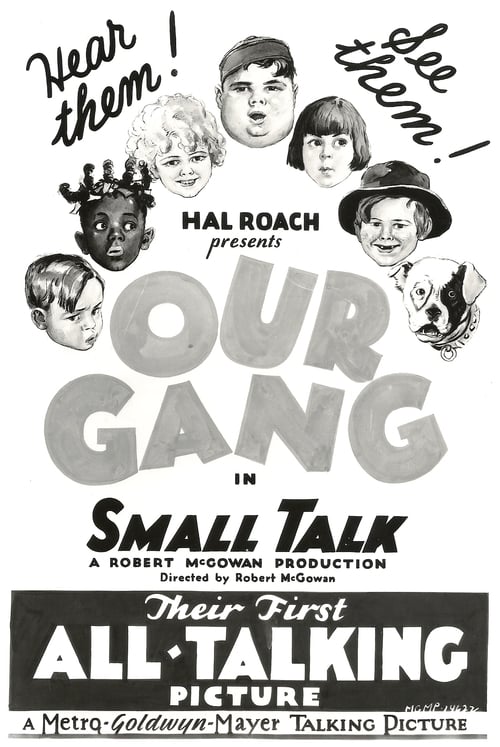
Small Talk presents a progressive social world for 1929, focusing on the roles of a diverse group of orphans. The film challenges traditional hierarchies by emphasizing peer-group dynamics over adult authority. While the film's racial and cultural elements challenge the era's typical segregationist themes, it remains grounded in traditional family structures. The plot resolution centers on the establishment of stable, wealthy households. Ultimately, the film's strength lies in its communal approach to childhood, despite lacking representation for LGBTQ+ identities or disabilities.
Category Breakdown
The film does not depict any LGBTQ+ identities explicitly. The story centers on traditional adoption and expanding families.
Mary Ann plays a key role in driving emotions, shifting focus away from adult authority. However, the ending highlights traditional domestic stability through adoption.
The film features a diverse cast, which was progressive for 1929. Farina’s adoption by a maid suggests social mobility and integration.
The story critiques class distinctions as orphans navigate wealthy environments. It portrays authority and institutional rigidity as comedic obstacles rather than moral imperatives.
There are no visible or invisible disabilities portrayed in this narrative.
Present on Screen
Limited or Absent
Official Synopsis
The gang are all orphans, hoping to be adopted by nice families where "spinach is not on the menu". Wheezer, the youngest child, gets adopted by a wealthy couple, while his older sister Mary Ann does not. The gang all comes to visit Wheezer in his new home, setting off an alarm that causes the police and the fire department to come over. At that time, Wheezer's new mother and father decide to adopt Mary Ann as well. The couple's friends all each adopt a child as well; even Farina is adopted by the maid at Wheezer's new home.
1933
1923
1932
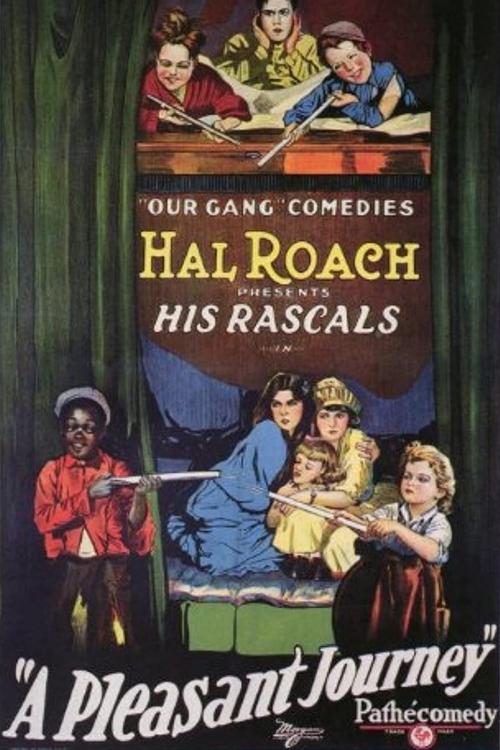
1923
2003
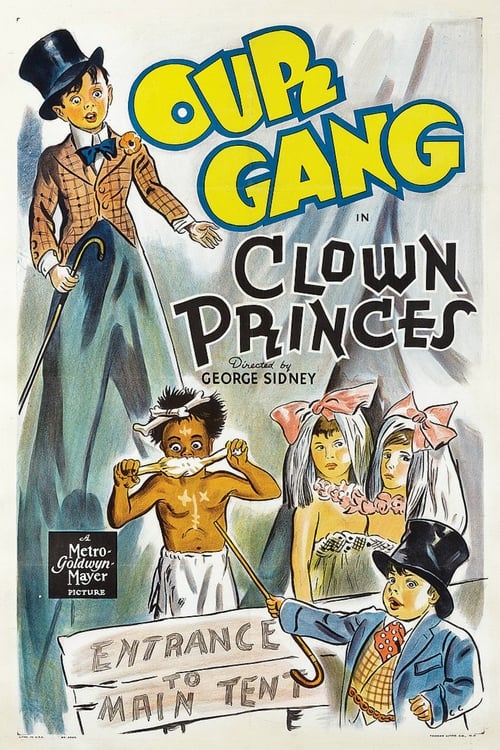
1939
1932
1929
No reviews yet. Be the first to share your thoughts on this movie!
Use the rating form above to leave a star rating and optional review.