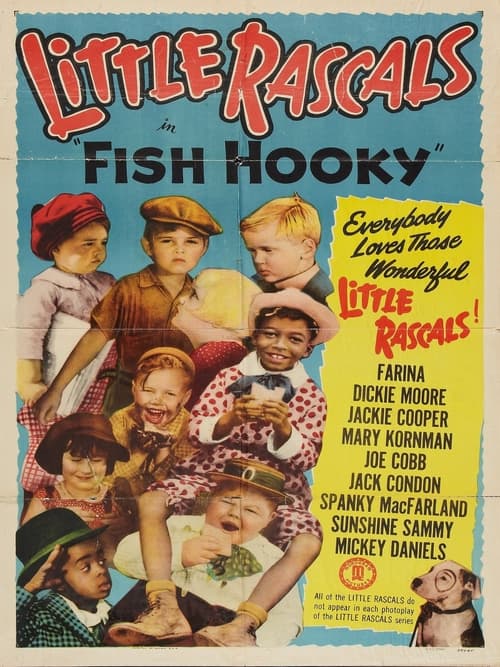
Fish Hooky
1933
No user ratings available yet
Representation score: 1.9 out of 10
Representation Score
Limited
1933
ApprovedDirector
Robert F. McGowan
Runtime
20 minutes
Average Rating
No ratings yetNew Showbiz Analysis
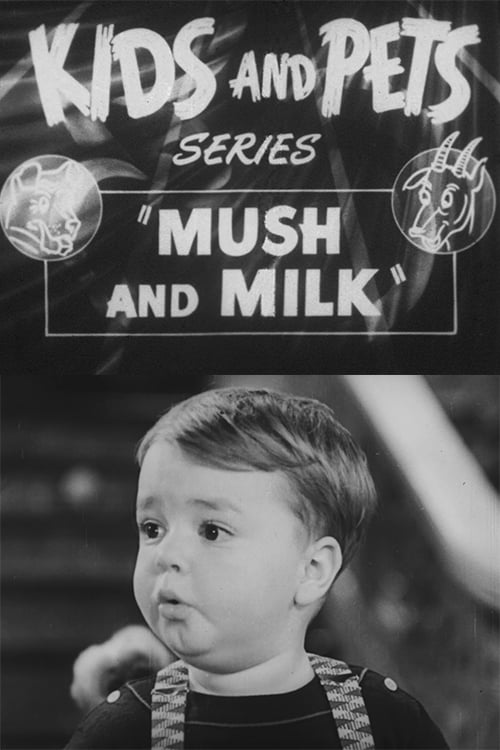
Mush and Milk is a product of its era, combining progressive casting with traditional social themes. While it promotes racial diversity, it adheres to the values of the 1930s. The film excels in ensemble storytelling, emphasizing peer-group interactions among children rather than adult authority. This approach was relatively uncommon for the time. However, the film falls short in representing LGBTQ+ identities and non-traditional gender roles. It primarily serves as a traditional family comedy centered on familiar social and cultural norms.
Category Breakdown
The film follows the social norms of the 1930s and does not include any LGBTQ+ characters or stories about non-straight relationships.
Gender roles in the film align closely with the expectations of the time. Although there are moments that challenge traditional gender roles, the film does not deeply question the hierarchy of male and female leadership.
The film features diverse child actors playing important social roles together, reflecting the series' history of integrated casts.
The story stays within typical consumerist and family-friendly themes, focusing on community celebrations and traditional activities rather than questioning modern institutions.
There is no mention of physical or cognitive disabilities being portrayed in this production.
Present on Screen
Limited or Absent
Official Synopsis
When Cap's back pension finally comes in, he treats the gang to a day at an amusement park.
1933
1928
1932
1932
1934
1932
1923
1923
No reviews yet. Be the first to share your thoughts on this movie!
Use the rating form above to leave a star rating and optional review.