Dear Elza!
2014
No user ratings available yet
Representation score: 4.7 out of 10
Representation Score
Limited
1970
Director
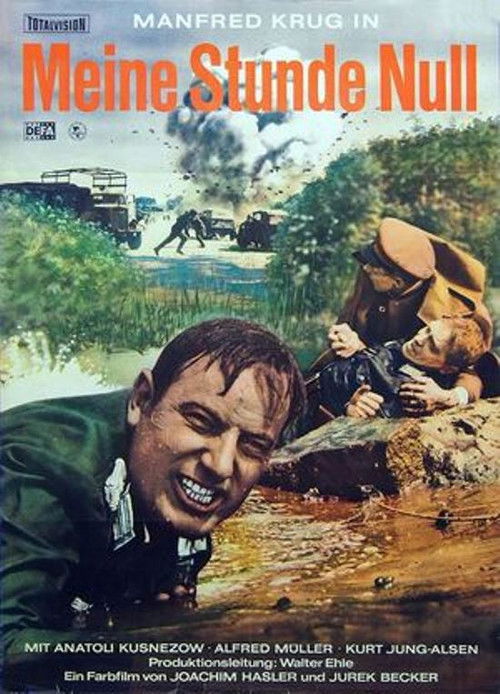
Joachim Hasler
Runtime
92 minutes
Average Rating
No ratings yetNew Showbiz Analysis
My Zero Hour is a war drama that emphasizes human connections over strict ideological boundaries. It challenges the traditional 'enemy' cliché by fostering understanding between German and Russian soldiers. However, the film focuses narrowly on a masculine military context, which limits the representation of diverse gender and LGBTQ+ identities. Overall, while the film lacks broad identity representation, it offers a deep critique of systemic nationalism and explores the bonds that transcend national boundaries.
Category Breakdown
The film does not include any representation of non-straight or non-cisgender identities. There are no same-sex romantic relationships or characters exploring those identities.
The story focuses on a male-dominated military environment. Women play minor roles, if any, and there is no indication of women taking a leading role in the plot.
The film highlights a genuine connection between German and Russian characters, challenging the idea of them as enemies and instead showing them as individuals with shared experiences.
The movie explores themes of moral relativism and questions the idea of enemies imposed by institutions. It emphasizes personal conscience over strict adherence to nationalistic duties.
The film does not provide any specific details about the portrayal of physical or cognitive disabilities.
Present on Screen
Limited or Absent
Official Synopsis
Germany in 1943. The Berlin worker Klaus Hartung is deployed as a soldier to the Eastern front during World War II. During a tour, he is captured by a Russian patrol. While in captivity, Hartung comes to the conclusion that he has to come through and actively take part in the effort to end the war. He consents to abduct a German officer together with two Russian soldiers. During their adventurous mission, the men who at first had been enemies, become sincere friends.
2014
1966
1945
2002
1969
1959
1955
2002
No reviews yet. Be the first to share your thoughts on this movie!
Use the rating form above to leave a star rating and optional review.