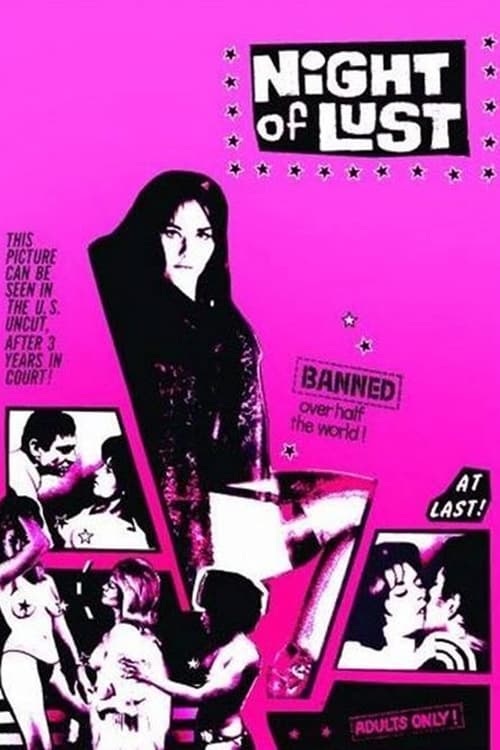
Night of Lust
1963
No user ratings available yet
Representation score: 3.8 out of 10
Representation Score
Good
1970
Director
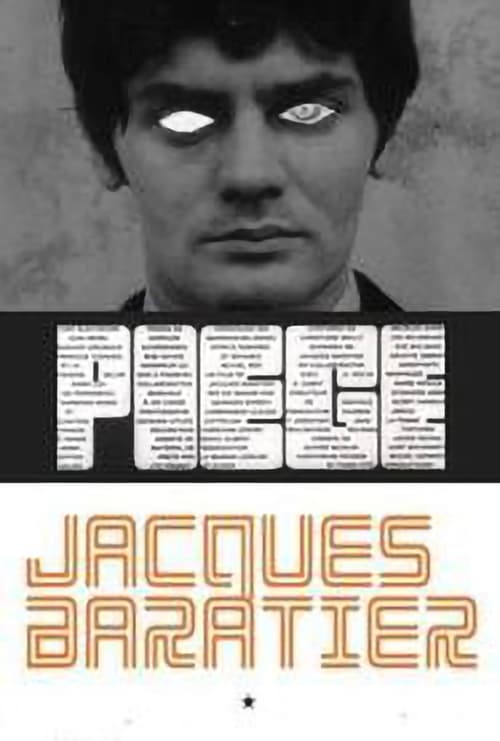
Jacques Baratier
Runtime
58 minutes
Average Rating
No ratings yetNew Showbiz Analysis
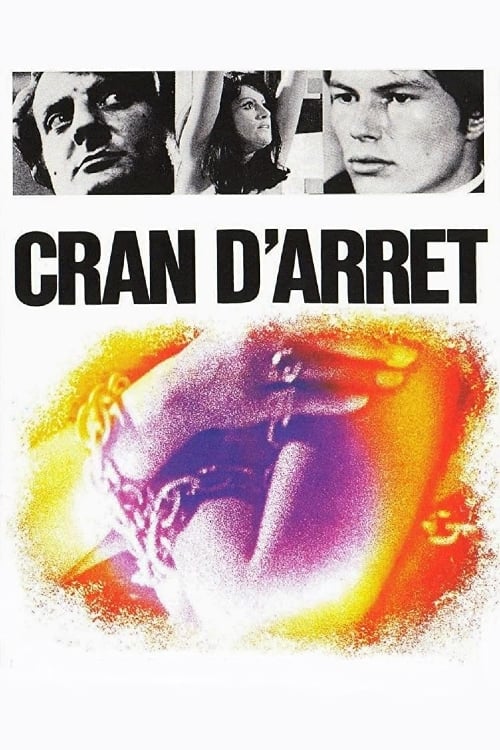
Trap is a disruptive piece of experimental cinema that prioritizes psychological subjectivity over conventional morality. It succeeds in centering women's ability to drive the story through its two primary protagonists, challenging the passive roles women often occupy in crime thrillers. However, the film lacks demographic breadth. The absence of information regarding racial diversity and the ambiguity of its psychological themes prevent a higher overall score. It functions more as a study of fragmentation than a diverse social tapestry.
Category Breakdown
The film's experimental nature and focus on non-linear experiences suggest a potential for exploring non-traditional identities. However, specific character identities are not explicitly detailed in the narrative.
The story centers on the intense engagement between two female protagonists, Bernadette Laffont and Bulle Ogier. This places women in leading roles, disrupting traditional hierarchies often found in the thriller genre.
The film lacks explicit details regarding the racial composition of the cast or setting. The score reflects a baseline for period-specific European cinema, which often featured homogeneous casting.
The film demonstrates high cultural subversion through its rejection of traditional Western order. Its hallucinatory atmosphere prioritizes subjective experience over institutional or social morality.
The narrative explores states of hallucination and nightmare, suggesting an interest in altered consciousness. It remains unclear if these are portrayed as lived experiences of disability or stylistic metaphors.
Present on Screen
Limited or Absent
Official Synopsis
A genuine performance film as Bernadette Laffont and Bulle Ogier engage, with reckless abandon, in a flurry of senseless destruction in a house at night. Somewhere between a hallucination and a nightmare. Both the explosive soundtrack and narration that accompanies the mayhem was provided by François Tusques.
1963
1964

1976
1975
1970

1973
1975

1970
No reviews yet. Be the first to share your thoughts on this movie!
Use the rating form above to leave a star rating and optional review.