
The Butcher
1970
No user ratings available yet
Representation score: 3.5 out of 10

Representation Score
Good
1973
Director
Alain Jessua
Runtime
91 minutes
Average Rating
No ratings yetNew Showbiz Analysis
Shock Treatment is a dystopian thriller that prioritizes a critique of systemic institutionalism over identity-based representation. Its narrative strength lies in its deconstruction of Western corporate and medical power, framing social stability as a mechanism for dehumanization. While the film lacks racial and LGBTQ+ visibility, it provides a nuanced look at neurodivergence and psychological autonomy. It treats mental health not as a character trait, but as a site of political struggle against forced conformity. Ultimately, the film's diversity profile is defined by its socioeconomic and anti-authoritarian themes rather than a broad spectrum of demographic representation.
Category Breakdown
The film doesn't include explicit LGBTQ+ identities or non-cisgender expressions. Instead, it focuses on a struggle against a monolithic corporate-psychiatric system rather than identity-based stories.
Female characters like Hélène Masson avoid submissive stereotypes by working within a high-stakes investigative framework. However, the central conflict emphasizes individual psychological freedom over challenging gender hierarchies.
The film depicts a relatively homogeneous European society typical of the early 1970s. It focuses on socioeconomic differences rather than racial diversity or varied ethnic backgrounds.
The film offers a sophisticated critique of Western capitalist institutions. It portrays corporate and medical entities as predatory forces that commodify human consciousness to suppress dissent.
The story explores psychological vulnerability by showing the medicalization of mental health as a tool of control. It avoids using mental health struggles as inspiration, focusing instead on the fight for personal identity.
Present on Screen
Limited or Absent
Official Synopsis
Hélène Masson visits her friend Gérôme Savignat in the isolated rejuvenation clinic owned by Dr. Devilers and his partner Dr. Berbard. But after a series of tragic events, Hélène goes further in her investigation of the clinic.
1970

1975
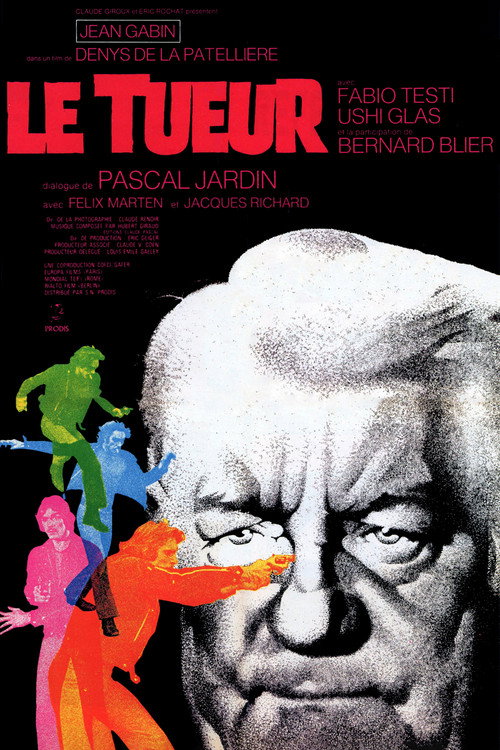
1972
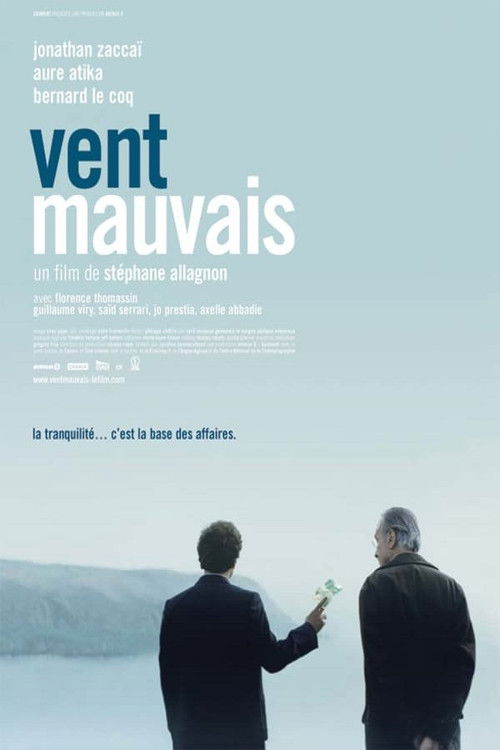
2007

1975
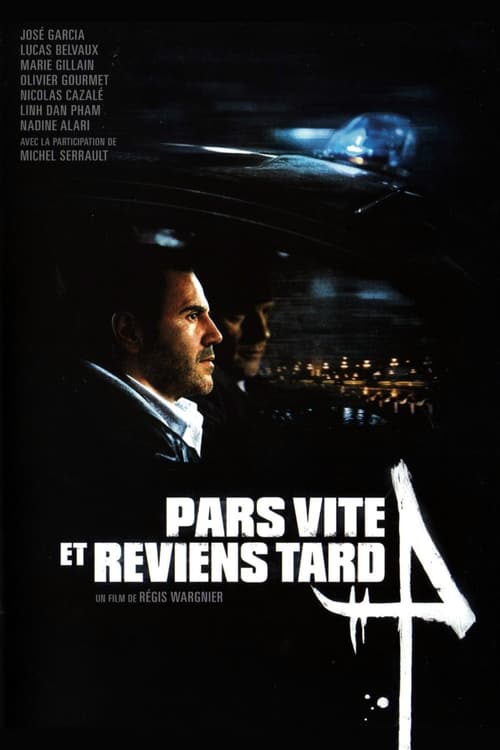
2007
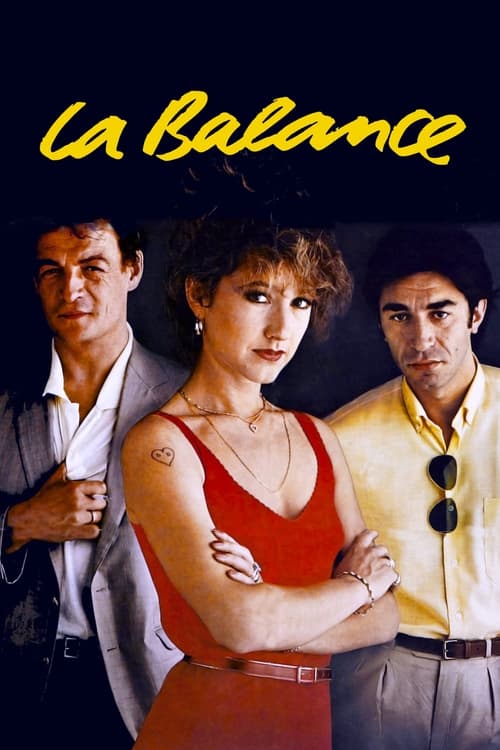
1982

1965
No reviews yet. Be the first to share your thoughts on this movie!
Use the rating form above to leave a star rating and optional review.