
The Moon in the Gutter
1983
No user ratings available yet
Representation score: 5.7 out of 10

Representation Score
Fair
1976
Director
André Téchiné
Runtime
110 minutes
Average Rating
No ratings yetNew Showbiz Analysis
André Téchiné’s *Barocco* is a period piece that emphasizes psychological complexity over traditional social norms. It challenges gender power dynamics by highlighting women's ability to drive the story and desire. However, the film’s historical setting limits its depiction of racial and LGBTQ+ diversity. The demographic uniformity reflects the 17th-century European aristocracy, lacking characters who reflect more than one aspect of diversity. The film’s strength lies in its critique of rigid moral and social constructs. It shifts from conventional narratives to a more chaotic exploration of human emotions driven by individual characters.
Category Breakdown
The film doesn't show explicit representations of non-straight identities or same-sex relationships. It focuses on traditional romantic relationships and explores intense desires within those frameworks.
The story challenges traditional gender roles by centering the female lead's actions and desires. She drives the emotional depth, defying stereotypes of passive femininity.
Set in 17th-century Europe, the film reflects the homogeneous demographics of that time. There are no non-white characters or diverse racial backgrounds shown.
The narrative critiques strict social rules through characters' personal impulses and passions. It prioritizes individual desires over legal or religious codes.
There are no clear depictions of physical or mental disabilities. The focus remains on psychological states rather than visible or hidden impairments.
Present on Screen
Limited or Absent
Official Synopsis
A woman falls in love with the man who killed her former boyfriend.
1983
1970
1978
1976
1969

1958
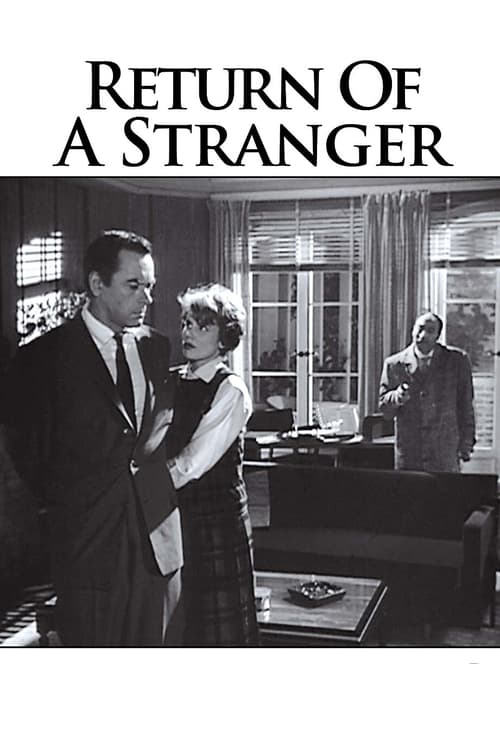
1961

1990
No reviews yet. Be the first to share your thoughts on this movie!
Use the rating form above to leave a star rating and optional review.