Made in Milan
1990
No user ratings available yet
Representation score: 3.5 out of 10
Representation Score
Fair
1989
Not RatedDirector
Wim Wenders
Runtime
81 minutes
Average Rating
No ratings yetNew Showbiz Analysis
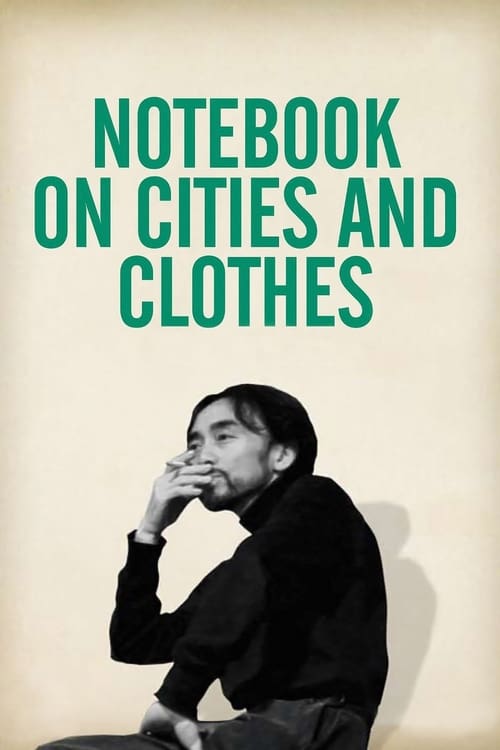
Wim Wenders' documentary succeeds as a sophisticated cross-cultural exchange. By placing Yohji Yamamoto on equal footing with a Western director, the film deconstructs the Western-centric gaze and treats Japanese design as a sophisticated philosophical framework. The film's strength lies in its intellectual structure rather than overt narrative clichés. It moves beyond exoticism to explore how urban landscapes and clothing inform global identity. However, the film remains limited by its format. As a philosophical dialogue, it lacks the explicit character-driven representation of LGBTQ+ or disability identities found in narrative cinema.
Category Breakdown
The film maintains a neutral stance typical of intellectual documentaries. While fashion suggests identity fluidity, there are no explicit LGBTQ+ character stories or depictions of non-traditional gender identities.
The film disrupts traditional hierarchies by centering intellectual ability to act. While the main subjects are male, it prioritizes creative vision over traditional masculine clichés of dominance.
The work achieves significant diversity by centering a profound intersection between German and Japanese perspectives. It elevates a non-Western creative voice to a position of primary influence.
The dialogue promotes a post-colonial appreciation for cultural blending. It avoids singular Western morality, opting instead for a cosmopolitan exploration of how humans inhabit urban space.
There is no discernible evidence regarding the portrayal of physical or neurodivergent disabilities within this documentary.
Present on Screen
Limited or Absent
Official Synopsis
Wim Wenders talks with Japanese fashion designer Yohji Yamamoto about the creative process and ponders the relationship between cities, identity and the cinema in the digital age.
1990

1985
1998
1983
1963

2014
1985
2007
No reviews yet. Be the first to share your thoughts on this movie!
Use the rating form above to leave a star rating and optional review.