
Three Outlaw Samurai
1964
No user ratings available yet
Diversity score: 4.8 out of 10

1981
RDirector
George A. Romero
Runtime
147 minutes
Average Rating
No ratings yetSynopsis
A medieval reenactment troupe struggles to maintain its family-like dynamic amid pressure from local authorities, interest from talent agents, and their so-called king's delusions of grandeur.
Overall Score
Fair
Category Breakdown
LGBTQ+ Representation
The film lacks explicit LGBTQ+ characters or non-heteronormative romantic arcs. While the troupe shares deep emotional intimacy and fraternal bonds, it avoids queer-coded subtext or specific identity-based narratives.
Gender Representation
The narrative centers on masculine archetypes and the camaraderie of knighthood. While women are part of the ensemble, they lack the central agency required to drive the primary plot.
Racial & Ethnic Diversity
Casting is largely homogeneous, reflecting a specific, historically white subculture of medieval reenactment. The film does not utilize diverse casting to challenge the demographic norms of its era.
Religious & Cultural Diversity
The film offers a sophisticated anti-capitalist critique. It frames the commercialization of art as a force that stifles idealism, positioning the troupe as outsiders against corrosive modern institutions.
Disability Representation
There is no intentional focus on visible or invisible disabilities. Characters are defined by their socio-economic status as itinerant performers rather than through neurodivergence or physical disability.
Strengths
Areas for Improvement
AI Analysis
Knightriders is a film defined more by its ideological stance than its demographic breadth. It functions as a postmodern critique of Western commercialism, using the 'outsider' trope to challenge the dominance of capitalist values and institutionalized societal norms. While the film lacks diversity in traditional identity metrics like race, gender, and LGBTQ+ representation, it excels in its cultural commentary. It prioritizes romantic idealism over profit-driven motives, creating a narrative friction between the individual and the system. Ultimately, the work is less a study in identity politics and more an exploration of the systemic struggle to maintain artistic integrity in a modern, pragmatic world.
1964

1954
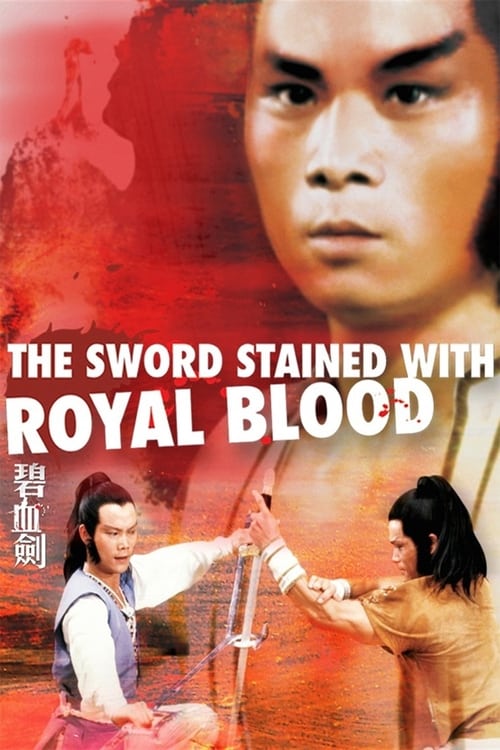
1981
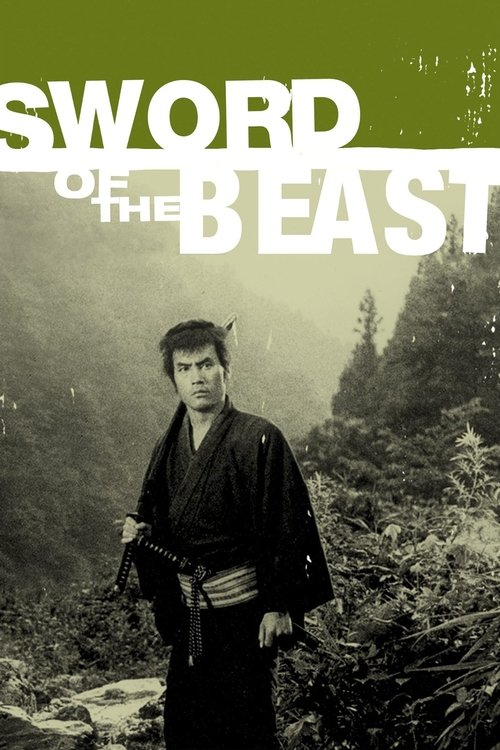
1965
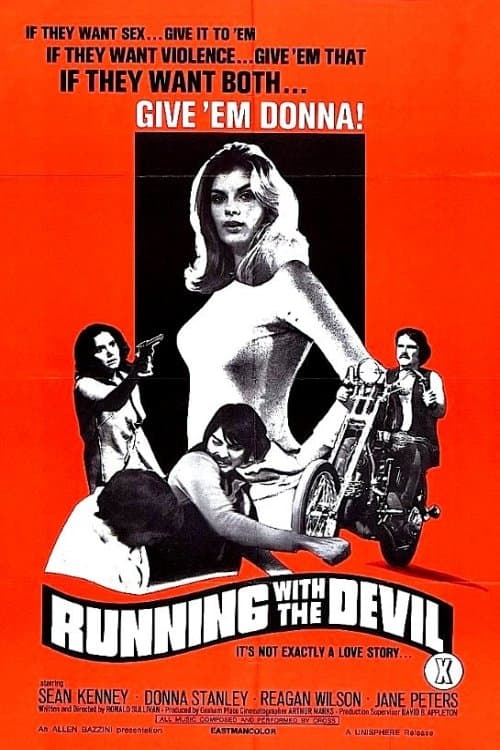
1973
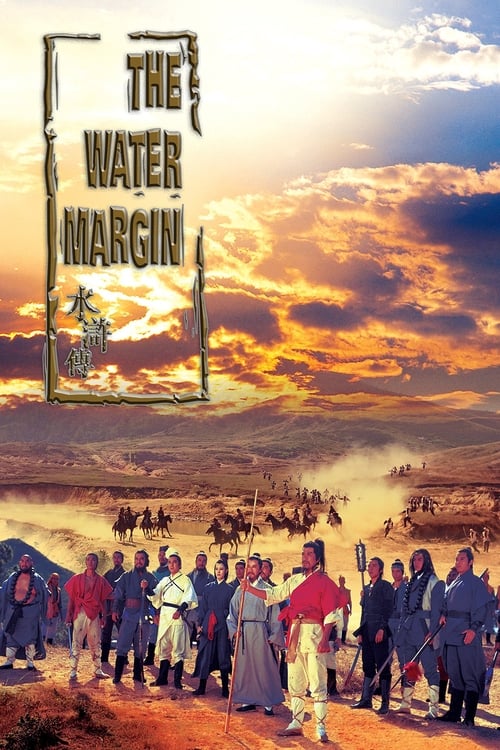
1972
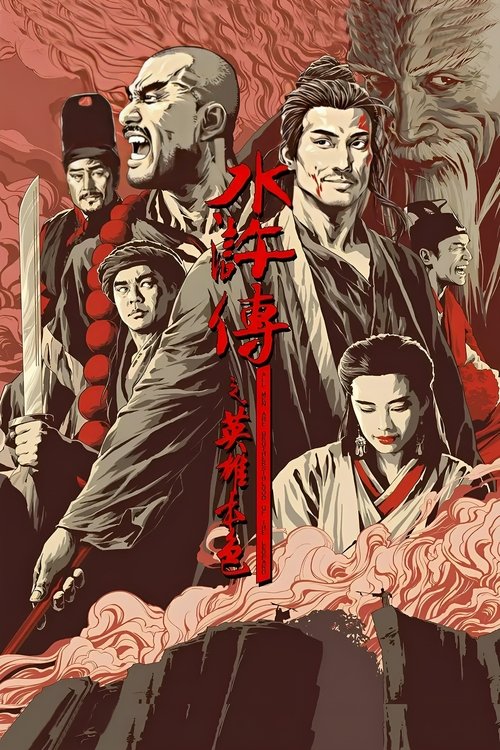
1993
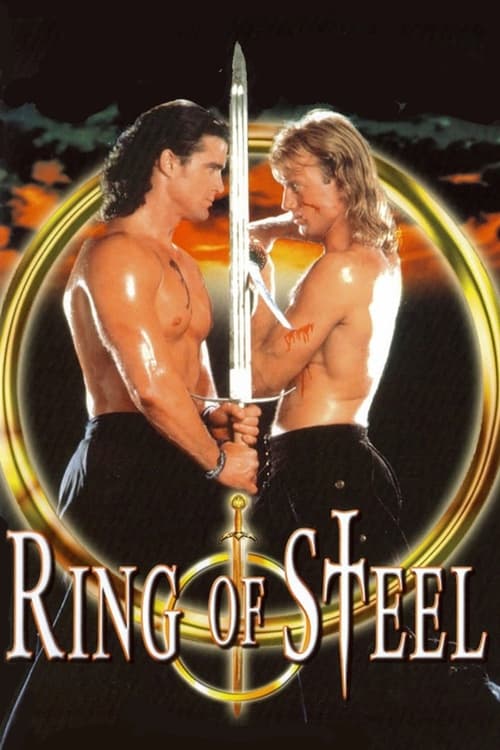
1994
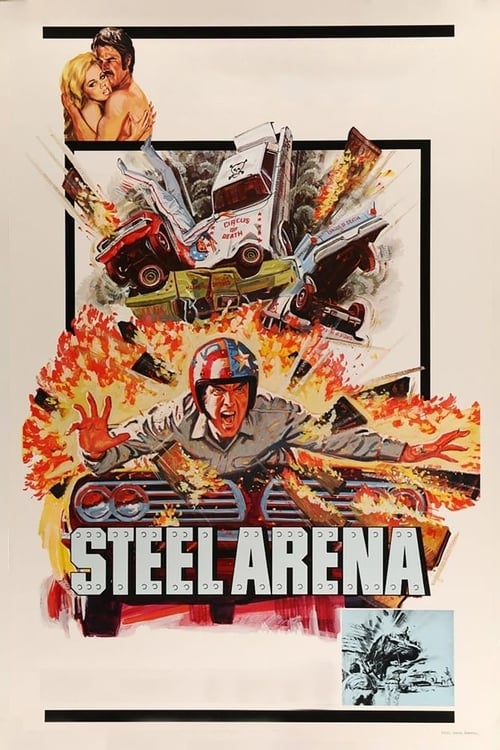
1973
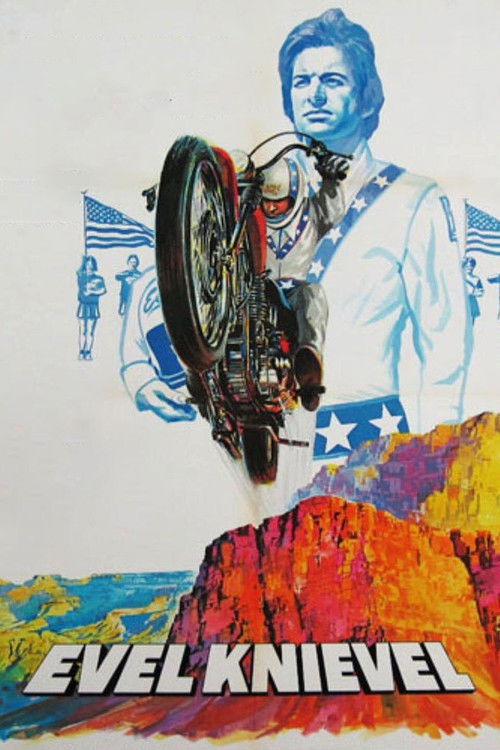
1971
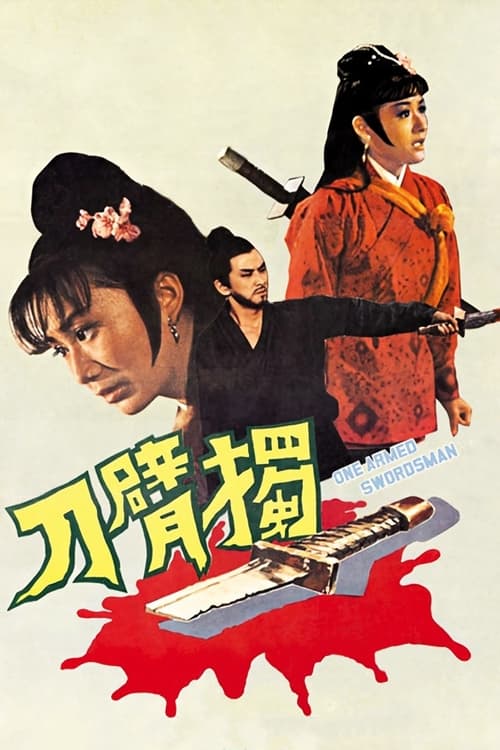
1967
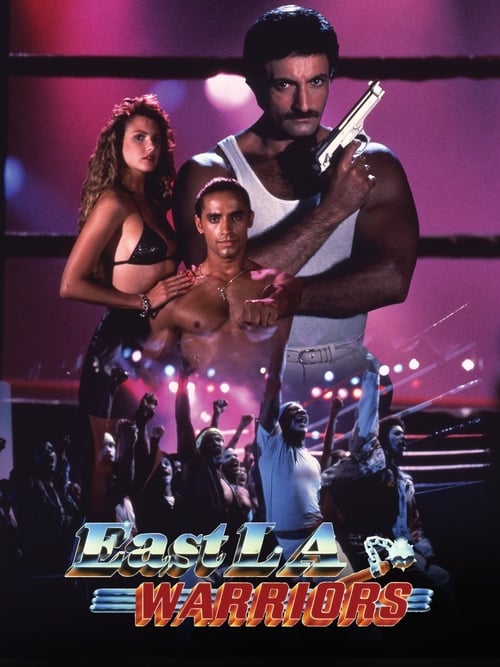
1989
No reviews yet. Be the first to share your thoughts on this movie!
Use the rating form above to leave a star rating and optional review.