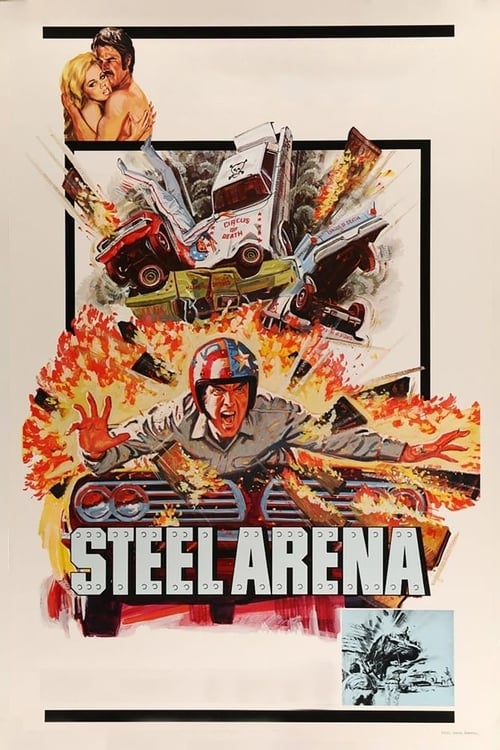
Steel Arena
1973
No user ratings available yet
Representation score: 1.3 out of 10

Representation Score
Minimal
1971
GPDirector
Marvin J. Chomsky
Runtime
88 minutes
Average Rating
No ratings yetNew Showbiz Analysis
Evel Knievel is a conventional biographical drama that celebrates a singular, masculine icon. The film adheres to mid-century cinematic norms, emphasizing individual achievement and physical prowess. By reinforcing traditional Western social structures, the film lacks depth in representing multiple aspects of identity. Instead of challenging systemic power dynamics, the story reinforces established hierarchies. Overall, the film offers a narrow perspective on American identity, focusing on a white, male-dominated demographic and traditional domestic roles.
Category Breakdown
The film follows a strict framework centered around traditional masculinity and domestic life. It does not include any non-binary gender identities or same-sex relationships.
The story revolves around a hyper-masculine daredevil character who is defined by his physical strength. Women are shown mainly in supportive roles within traditional domestic settings.
The setting portrays a predominantly white, male-dominated environment typical of mid-20th-century American stunt culture. The cast does not emphasize diverse ethnic backgrounds.
The story promotes the 'American Dream' idea of rising from humble beginnings to fame. It upholds meritocratic values and American icons without questioning Western institutions.
The film highlights physical trauma and endurance through spectacular feats. It does not feature characters with disabilities or neurodivergent representation.
Present on Screen
Limited or Absent
Official Synopsis
Biography of the famed motorcycle daredevil, much of which was filmed in his home town of Butte, Montana. The film depicts Knievel reflecting on major events in his life just before a big jump.
1973

1981

2004
2005

1969
2018

1995

1978
No reviews yet. Be the first to share your thoughts on this movie!
Use the rating form above to leave a star rating and optional review.