Something Necessary
2013
No user ratings available yet
Representation score: 5.3 out of 10
Representation Score
Good
2007
Not RatedDirector
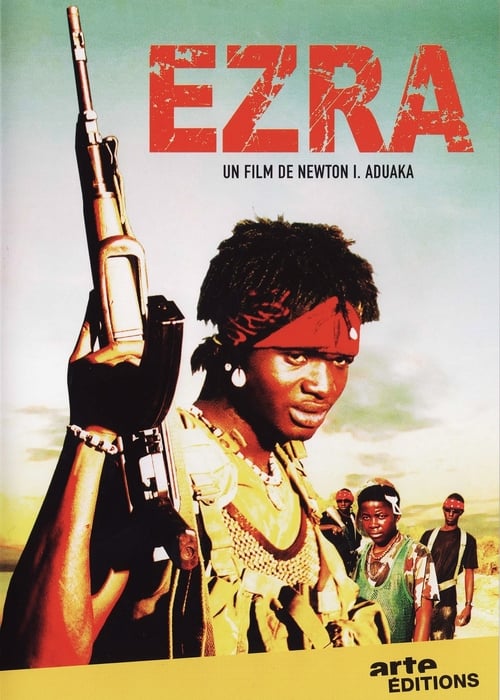
Newton I. Aduaka
Runtime
105 minutes
Average Rating
No ratings yetNew Showbiz Analysis
Ezra succeeds as a disruptive narrative that shifts the cinematic gaze away from Western-centric war clichés. By centering the lived experience of a West African child soldier, the film provides a vital perspective on systemic victimization and geopolitical conflict. However, the film lacks explicit representation of LGBTQ+ identities and does not subvert traditional gender roles. Instead, it focuses heavily on a singular masculine experience of trauma within a patriarchal framework. Ultimately, the film's strength lies in its cultural and racial centering, offering a sophisticated look at socio-political instability.
Category Breakdown
The film does not include any explicit LGBTQ+ characters or explore non-straight identities. The plot focuses exclusively on the trauma of conflict and the legal issues surrounding child soldiers.
The story centers on a male protagonist navigating a patriarchal system of warfare. It is unclear whether the film challenges traditional gender roles or simply presents a masculine experience of trauma.
The narrative demonstrates high intentionality by centering West African socio-political realities. It disrupts the Western-centric gaze of war cinema by prioritizing non-Anglo-Saxon perspectives and ability to act.
The film engages with systemic corruption and the failure of institutions to protect the vulnerable. It favors a nuanced, anti-institutional perspective over idealized or patriotic depictions of national struggle.
While physical or neurodivergent disabilities are not explicitly mentioned, the subject matter inherently involves profound psychological trauma. The score reflects the potential depiction of PTSD resulting from violence.
Present on Screen
Limited or Absent
Official Synopsis
Ezra is kidnapped as a boy by a rebel group and has to testify later about the brutal experience of becoming a child soldier.
2013

2021
2004

2022
2003
2015

2017
2006
No reviews yet. Be the first to share your thoughts on this movie!
Use the rating form above to leave a star rating and optional review.