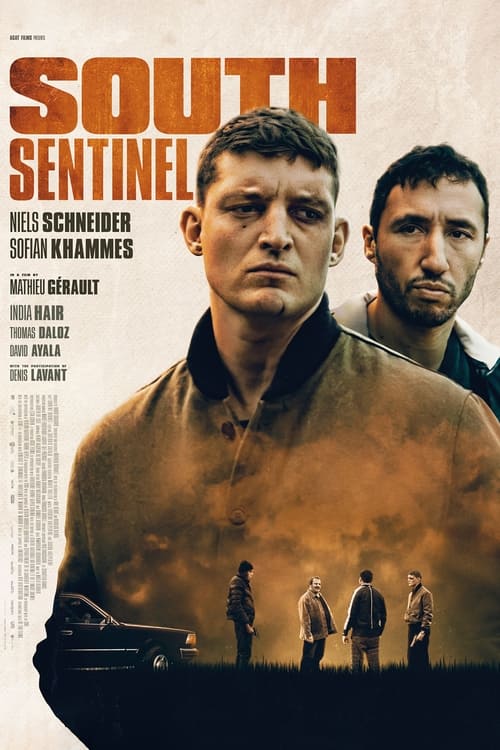
South Sentinel
2022
No user ratings available yet
Representation score: 5.6 out of 10
Representation Score
Good
2020
Director
Amin Sidi-Boumédiène
Runtime
135 minutes
Average Rating
No ratings yetNew Showbiz Analysis
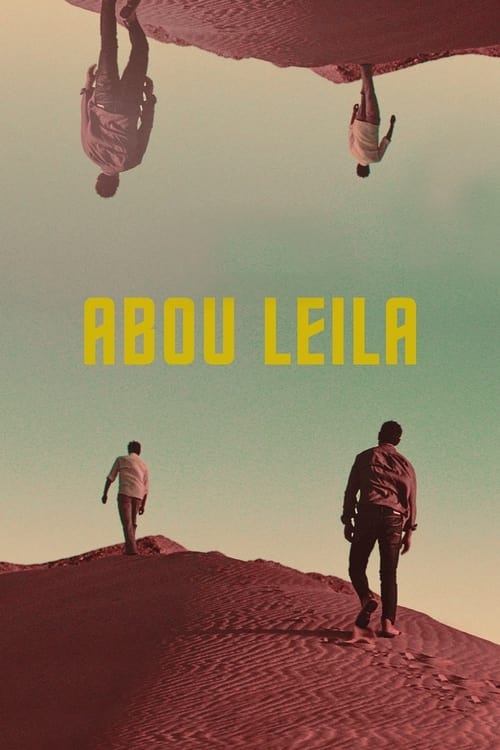
Abou Leila is a significant piece of regional cinema that challenges Western-centric narrative dominance. By centering North African ability to act and the specificities of the Algerian Civil War, it provides a meaningful departure from mainstream cinematic norms. The film's strength lies in its authentic cultural grounding and its refusal to adhere to simplified moral structures. It uses the Saharan landscape to ground a story of subjective morality and systemic instability. However, the film lacks explicit representation regarding gender and LGBTQ+ identities. The narrative remains heavily centered on male experiences, offering little space for women's ability to drive the story or diverse identity politics.
Category Breakdown
The film does not prominently feature LGBTQ+ narratives or non-assuming gender matches what was assigned at birth identities. The intense emotional bond between S. and Lotfi is not framed through a queer lens.
The story centers around male camaraderie and the masculine experience of conflict. It lacks significant women's ability to drive the story, with the primary drivers of the plot being predominantly male.
The film excels by focusing on a North African cast and setting. It disrupts Western cinematic dominance by grounding the story in the specific historical and geographic context of Algeria.
The story avoids simplistic moral dichotomies by depicting the chaos of the Algerian Civil War. It presents a world of subjective morality and systemic instability during a period of unrest.
The film highlights psychological fragility and the mental toll of violence. S. is portrayed as too fragile for bloodshed, though it is unclear if this explores neurodivergence or serves a narrative purpose.
Present on Screen
Limited or Absent
Official Synopsis
Algeria, 1994. S. and Lotfi, two friends from childhood, travel through the desert looking for Abou Leila, a dangerous terrorist on the run. Their quest seems absurd, given that the Sahara has not been affected by the wave of attacks. Lofti has only one priority : to keep S. as far from the capital as possible, knowing his friend is too fragile to face more bloodshed. But the closest they get into the desert, the more they will be confronted with their own violence.
2022
2015
2006
2014

2017

2014
2021
2018
No reviews yet. Be the first to share your thoughts on this movie!
Use the rating form above to leave a star rating and optional review.