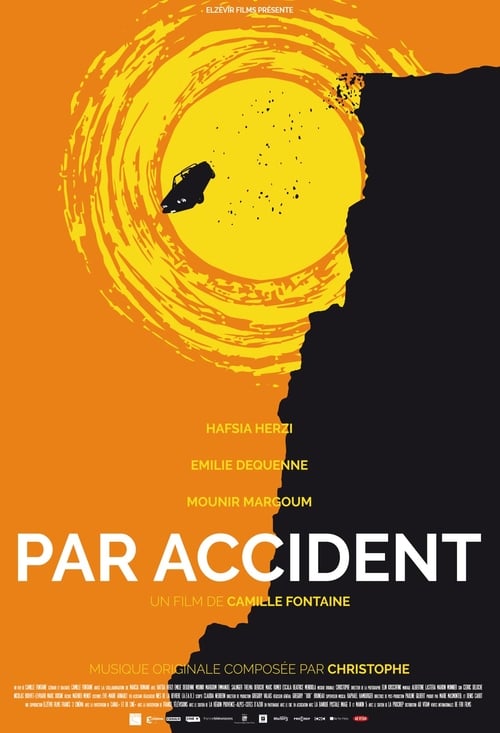
Par accident
2015
No user ratings available yet
Representation score: 6.0 out of 10

Representation Score
Excellent
2015
Director
Robert Guédiguian
Runtime
134 minutes
Average Rating
No ratings yetNew Showbiz Analysis
Robert Guédiguian’s work excels at exploring the intersection of migration and social realism. This film specifically succeeds by centering the Armenian diaspora, transforming a geopolitical conflict into a deeply personal, domestic drama. It avoids one-dimensional storytelling by exploring the complex motivations behind political violence. While the film is strong in ethnic and cultural depth, it lacks representation in other areas. There is no visible focus on LGBTQ+ identities, and the portrayal of disability appears more functional to the plot than character-driven. Ultimately, the film is a humanistic study of identity and reconciliation. It challenges nationalist clichés by prioritizing the emotional realities of underrepresented voices within the French social fabric.
Category Breakdown
The film focuses on ethnic and geopolitical tensions rather than LGBTQ+ narratives. There are no explicit LGBTQ+ character arcs or themes centered around non-straight relationships.
Aram’s mother plays a central role in the narrative by seeking reconciliation. Her actions challenge traditional patriarchal hierarchies and place her at the forefront of ethical resolution.
The story centers an Armenian protagonist, offering a nuanced look at the diaspora experience. It goes beyond including someone from a minority group without giving them real depth by making ethnic identity a primary driver of the plot.
The film critiques geopolitical power structures through a sophisticated lens. It explores the subjective truths of a victimized diaspora rather than relying on simple morality.
Gilles’s physical injury acts as a central plot catalyst. However, it remains unclear if he has full control over his situation or if his disability primarily serves the development of other characters.
Present on Screen
Limited or Absent
Official Synopsis
Aram, a young man from Marseille of Armenian origin, blows up the Turkish ambassador's car in Paris. Gilles, a young cyclist who was passing at that precise moment, is seriously injured. Aram's mother feels guilty and feels the need to visit Gilles at the hospital and beg for his forgiveness, something that Gilles does not understand. Against the advice of his comrades in Beirut, Aram decides to go meet his victim.
2015
2021
2011
1997

2019
2003

2020

2017
No reviews yet. Be the first to share your thoughts on this movie!
Use the rating form above to leave a star rating and optional review.